Hunger for Sand Determining Invasive Species Impact Moss Removes Lead from Polluted Waters Ocean Plastic Pollution Breach of International Law Hunger for Sand Takes Toll on Endangered Species Water Crisis & Scarcity Upcoming Conferences 33rd Annual Illinois Lake Management Association Lakes Conference 2018 Wisconsin Lakes Partnership Convention Michigan Lake and Stream Associations 57th Annual Conference
I am NOT Plastic Plastic Bag Ban Effective I am NOT Plastic Drowning in Garbage Eating Trash on the Ganges Sometimes Being Green Starts with Brown Read More
We’re Gonna Need a Bigger Boat Great White in Great Lakes Duckweed-to-Ethanol Hip, Hippo Hooray Plastic Waste to Make Roads Read More
A Link Between Coffee and Fish Is Your Morning Coffee Taking a Toll on the Environment? Plastic in the Food Chain Mealworms Make a Meal of Styrofoam Understanding Invasive Species NALMS 35th International Symposium Read More
Are You Part of the Plastic Pollution Problem? Are You Part of the Plastic Pollution Problem? Are you Contributing to Marine Pollution? Floating Power Plant in Wisconsin Upcoming Conferences Northwest Wisconsin Lakes Conference New Hampshire Lakes Association Lakes Congress Read More
Happy New Year! Year of the Water Snake Resolve to Use Less Plastic Recycle Your Christmas Tree Upcoming Events Northeast Aquatic Plant Management Society 12th Annual Stream Restoration Symposium New England Water Environment Association Read More
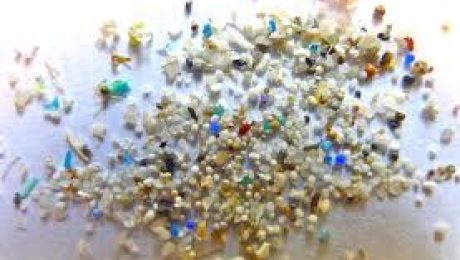
Trash of all kinds exists in the ocean – clean-up crews have found cigarette butts, glass bottles and even mattresses. But the most common type of trash found in the ocean’s gyres (circular currents formed by wind patterns and the earth’s rotation) is tiny pieces of broken down plastics, known as microplastics. Microplastics, as well
A 2015 study led by the University of Georgia ranked India 12th among the top 20 coastal populations (and 192 countries) in the world that sent 0.60 million tonnes per year of mismanaged plastic waste into the ocean. Each time polythene covers, carry bags, or synthetic packaging materials are carelessly dropped on the streets or
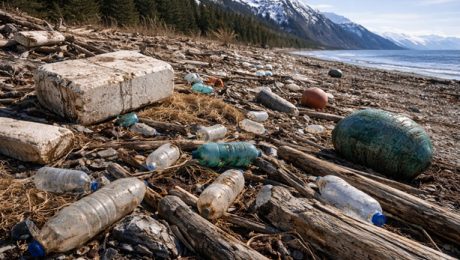
Every year, about 8-million tons of plastic ends up in our oceans, which is equal to five bags filled with plastic going along every foot of coastline in the world, according to Plastic Oceans, a non-profit organization. By 2025, they estimate the annual input will be about twice that. But how exactly is so much
Seabirds like albatrosses belong to the most threatened bird group in the world. Coincidentally, this group of birds (Procellariiformes) also ingests the highest amount of human garbage found in oceans around the world. At this very moment, 250,000 tonnes of garbage is drifting through the world’s oceans and threatening marine wildlife who mistake it for


