

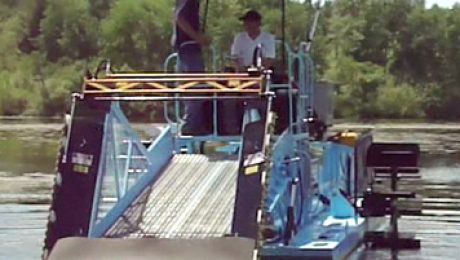
The Friends of the White River in Wisconsin saw their 2013 weed harvest get off to a good start on Wednesday, June 26. The harvester and operators were on lease from the White River Flowage Lake Management District. The harvester, by the end of work on June 27, harvested an estimated 50,000 pounds of aquatic
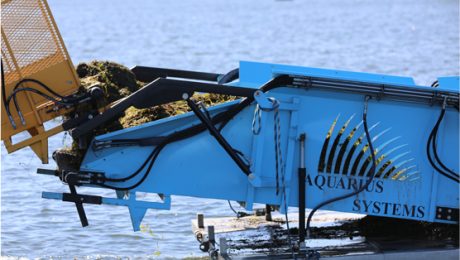
The City of Chestermere, Canada, announced that they had harvested 210,675 kilograms of weeds from Chestermere Lake in 2023. “I know how important the water is to residents who live adjacent to it and all residents of Chestermere. Weed harvesting and weed control are an uppermost issue in most people’s minds,” interim CAO Pat Vincent
More Green and Less Fish A Message from our Leader: Spring has Come Early Low Ice Shelf Could Impact Fish Populations Lack of Snow Spurs Aquatic Plant Growth 50 Years of Wisconsin Lake Management Law Upcoming Conferences: Western Aquatic Plant Management Society Annual Conference Indiana Lakes Management Society 35th Annual Conference Wisconsin Lakes & Rivers
Foiled Again A Message from our Leader: Invasive Plant Species Plan for Successful Milfoil Eradication Foiled Eelgrass Taking Over Waterways New Species of Hydrilla Found in Connecticut Upcoming Conferences: Midwest Aquatic Plant Management Society 44th Annual Conference Pennsylvania Lake Management Society 33rd Annual Conference Virginia Lakes & Watersheds Association Annual Conference Illinois Lakes Management Association
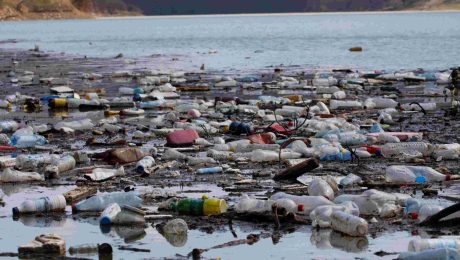
Although many people might think oceanside cities bear the responsibility to keep plastic and trash out of the water, the Mississippi River can act as a funnel for that trash from the heart of the country to the Gulf of Mexico. The Mississippi River drains more than 40% of the continental U.S. – just how
Taking the Wins in 2024 A Message from our Leader: New Year Includes our Company’s 60th Year in Business “Dead Zone” Smallest Since Monitoring Began Re-establishing Native Aquatic Plants Holding Industrial Polluters Accountable Upcoming Conferences: Northeast Aquatic Plant Management Society 25th Anniversary Meeting Pennsylvania Lake Management Society 33rd Annual Conference Weed Science Society of America
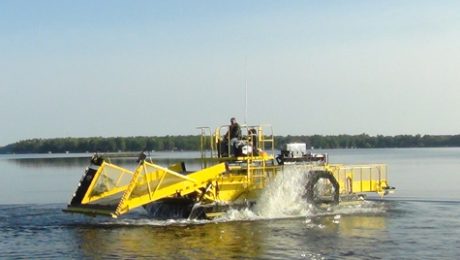
In the 1970’s Lake Minnewawa in Minnesota was so choked with weeds that residents could no longer enjoy the lake as they once had. The water clarity and the phosphorous levels were awful. People would pull their docks out of the water in July because boating was impossible. Save Minnewawa Association was formed in 1977
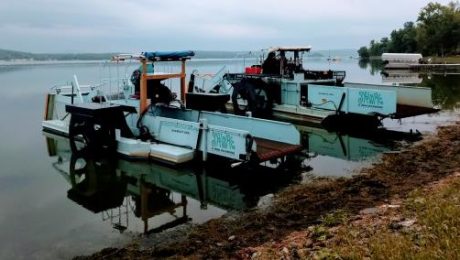
Weed growth in St. Albans Bay in Vermont was not as bad this past summer as anticipated according to Steve Cushing, President of the St. Albans Area Watershed Association (SAAWA). Last year, high, turbid waters and a layer of sediment carried into the lake by flooding and rainfall reduced weed growth, explained Cushing. With clear

Although it only operated for 22 days this fall, the Apple River Protection and Rehabilitation District in Wisconin (ARPRD) removed 112 loads of aquatic vegetation from the Apple River – 251 tons of weeds according to a report by operations manager, Dale Richardson. Harvester operators volunteer their time and currently have 2 primary and 2

Milwaukee has more than 410 miles of streams, 85 lakes, and three rivers—the Milwaukee, Menomonee, and Kinnikinnick.Milwaukee ; plus miles of Lake Michigan shoreline. Milwaukee has been reinventing itself over the past decade, most of them involving water. The city is steadily transforming into what former Wisconsin governor Tommy Thompson hopes will be “the Silicon