
Aquatic invasive species are non-native plants and animals that disrupt ecosystems, harm wildlife, and impact recreation. Learn how they spread, the problems they cause, and safe methods for control and management.

Bundaberg Regional Council environment and natural resources spokesman Danny Rowleson said salvinia molesta is an extremely invasive aquatic weed that is taking over Baldwin Swamp in Queensland, Australia. In addition to degrading water quality and destroying wildlife habitats, salvinia can reduce water flow to irrigation equipment, increasing pumping times and costs and prevent access by
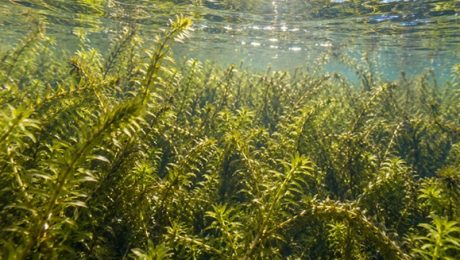
Residents watched as the water on Sand Lake steadily turned greener. Weeds wrapped around rudders of float plants and choked the canal area. The bottom of the lake eventually vanished from view as Alaska’s first know submerged invasive aquatic plant, elodea reared its ugly head. Ecologists warn that the plant, known for its dense growth
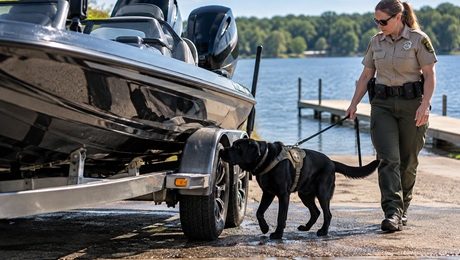
In an effort to conserve the environment, the River Alliance of Wisconsin partnered with Midwest Conservation Dogs Inc. on Tuesday. Midwest Conservation Dogs trains dogs to sniff out invasive species, including plants and animals. The four dogs the conservation has can smell up to 50 different target odors. The dogs detect invasive species both in
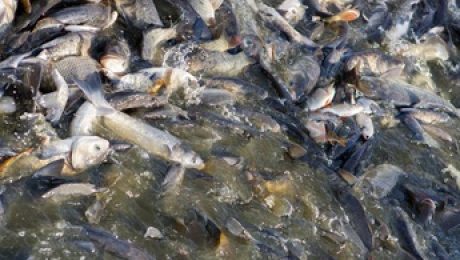
At 8.4 square miles, Candlewood Lake in Western Connecticut is the largest lake in the state. It is a popular year-round tourist destination, and the area is home to many second homes of New York City residents. The lake has an ongoing problem with the growth of eelgrass and Eurasian milfoil in the shallower areas.

The Lake Wausau Association is hoping to remove several hundred pounds of Curly-leaf Pondweed from the water and they’re working non-stop to make sure it happens as soon as possible. Curly leaf pondweed grows under the ice during the winter, but in the summer months it dies off after it reproduces. As it dies and
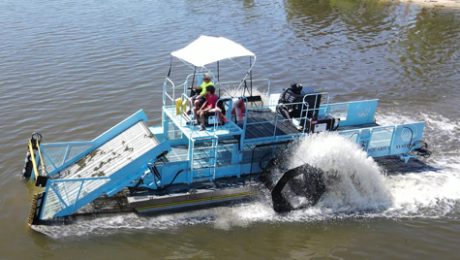
Former firefighter and current aquatic plant harvester operator, Michael “Mike” Ordyna’s instincts took over when he witnessed a woman slip on her boat dock and fall into Lake Buel in Massachusetts. Ordyna quickly jumped into the woman, rescued the woman and safety swam them both to safety then rushed to call 911. After EMTs and
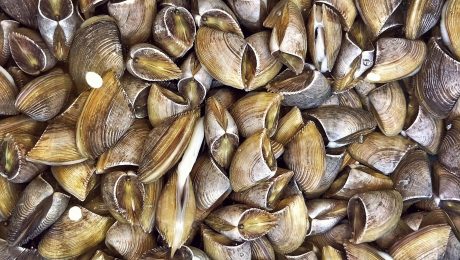
A University of Wisconsin-Oshkosh economics student spent two years researching the relationship between zebra mussels and property values and came to a counterintuitive conclusion: The value of lakefront properties in central and northern Wisconsin with the invasive mollusks actually increased, compared to properties where mussels are not found. A single mussel, the size of thumbnail,

Water hyacinth is a free floating aquatic plant that is native to South America. One of the fastest growing plants known, water hyacinth can double their population in two weeks. When not controlled, the aquatic plant will cover lakes and ponds entirely, dramatically affecting water flow, blocking sunlight from native aquatic plants and starves the
On tap is the Excelsior’s latest brew called the Milfoil Lakehouse Saison Ale. It has an “exotic, invasive flavor,” they say, from ingredients like Minnetonka honey and Minnesota wild rice, as well as a dash of Eurasian milfoil and zebra mussel shells. That’s right – the aquatic invasive species can be intentionally consumed for your

A new study by the Wisconsin Department of Natural Resources has shown that ongoing efforts to prevent the spread of aquatic invasive species have been successful. The spread of aquatic invasive species has remained stable in the 1,000 Wisconsin lakes used in the study. Invasive species are still present in 75% of the lakes, but