(262) 392-2162 | info@aquarius-systems.com
  • Contact Us
  • Resources
  • Careers

Aquarius-Systems

  • Home
  • Equipment
    Weed Harvesters
    Aquatic Excavators
    Canal Cleaners
    Vegetation Shredders
    Trash Skimmers
    Transport Barges
    Trailers
    Offloading Conveyors
  • Service
    Parts & Service
    Equipment Manuals
    Safety Guide
  • About Us
  • Media
  • Latest
  • Quote

Aquatic invasive species are non-native plants and animals that disrupt ecosystems, harm wildlife, and impact recreation. Learn how they spread, the problems they cause, and safe methods for control and management.

Early Spring Triggers Milfoil Growth in Minnesota Lakes

  • 0
/ Published in Aquatic Invasive Species, Aquatic Plant Management
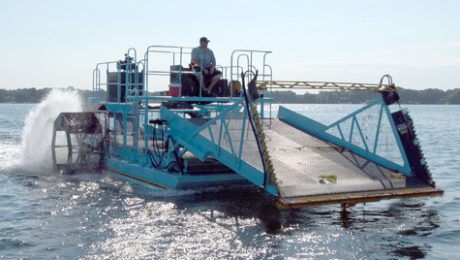
HM-1020 Mechanical Weed Harvester in Minnesota.
In Minneapolis, the park district’s mechanical harvester has been mowing Eurasian watermilfoil in the Chain of Lakes since before Memorial Day. It began several weeks earlier than usual, said Deb Pilger, director of environmental operations, due to the warm and early-starting spring that caused a healthy crop of invasive aquatic weed growth. The Lake Minnetonka
Chain of Lakes milfoil harvestingcurly-leaf pondweed algae bloomsEurasian watermilfoil Minnesota lakesinvasive aquatic plants early growthLake Minnetonka aquatic plant managementmechanical weed harvesting Minnesota

Research Questions Herbicide Benefits for Curly-Leaf Pondweed Control

  • 0
/ Published in Aquatic Invasive Species, Aquatic Plant Management
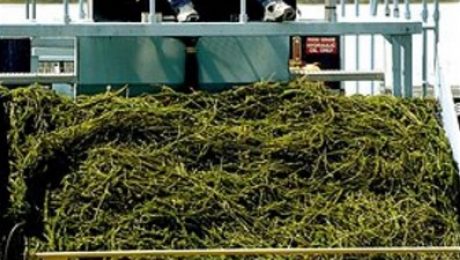
Curly-Leaf Pondweed
According to Nick Brown, DNR invasive species specialist, herbicides used to treat curly-leaf pondweed on Minnesota lakes may not lead to improvements in water quality. Curly-leaf pondweed is an invasive plant found throughout much of Minnesota. The plant grows slowly throughout the winter under the ice, but once the ice has left the lake the
aquatic herbicides lakesaquatic plant harvestingcurly leaf pondweedcurly-leaf pondweed controllake weed management Minnesotalittoral zone managementmechanical weed harvestingMinnesota DNR invasive species

Milfoil and Hydrilla the Evil Twins of Invasive Aquatic Plants

  • 0
/ Published in Aquatic Invasive Species, Aquatic Plant Management
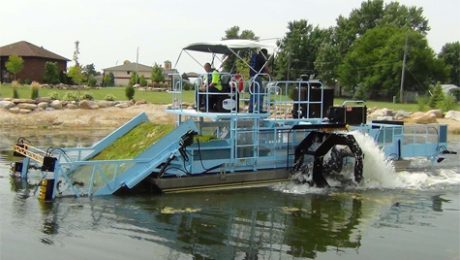
Weed Harvester Removing Hydrilla
Eurasian water milfoil is an exotic invasive species that is thought to have been introduced to the U.S. in the 1800’s in the bilge of ships. Once established milfoil can never be completely eradicated, but it can be managed with an aquatic weed harvester or repeat treatments of aquatic herbicides. Any relaxing on the spraying
aquatic herbicide treatmentsaquatic weed harvestingeurasian watermilfoileutrophication aquatic weedshydrilla and milfoil habitatinvasive aquatic plantslake vegetation balancemilfoil lake management

Mechanical Harvesting Controls Milfoil in Illinois Loon Lakes

  • 0
/ Published in Aquatic Invasive Species, Aquatic Plant Management
Harvesting aquatic plants in Iowa
Once established, it can be managed but not eradicated. It has spread to almost every state in the US, where it grows into thick mats that can make lakes impenetrable for boats and swimmers. It can make it impossible for native plants to grow, affecting fish and wildlife. Yup, it’s Eurasian watermilfoil. Homeowners and businesses
aquatic weed harvester shoreline controlEurasian watermilfoil Illinois lakesinvasive aquatic plants lake managementLoon Lakes Antioch weed harvestingmechanical aquatic plant harvesting lakesmilfoil lake management Illinois

Florida Balances Hydrilla Control with Wildlife Habitat Needs

  • 0
/ Published in Aquatic Invasive Species, Lake & Waterway Management
Hydrilla has become the most serious aquatic weed problem for Florida and most of the U.S.
The Florida Fish and Wildlife Conservation Commission, the state’s lead agency for hydrilla control since July 1, 2008, faces a daunting challenge. It not only manages the spread of non-native hydrilla by spraying herbicides to maintain waterways for boating navigation and flood control. It also must consider the wants of Florida residents while keeping the
aquatic vegetation managementEverglades snail kite habitatFlorida Fish and Wildlife hydrilla controlhydrilla fish habitathydrilla Florida lakesinvasive aquatic plants Floridalake weed management Florida

Ecological Value of Exotic Water Plants Equals that of Indigenous Species

  • 0
/ Published in Aquatic Invasive Species, Aquatic Plant Management
Fishing among aquatic plants
When it comes to their role in aquatic ecosystems, exotic water plants are generally no different than indigenous species. In fact, they can be an asset. That doesn’t mean all exotic species should be given free rein. But they can be managed more effectively if you focus on their properties and not their place of
Mechanical Harvesting Removes Invasive Water Chestnut from Mystic River

  • 0
/ Published in Aquatic Invasive Species, Aquatic Plant Management
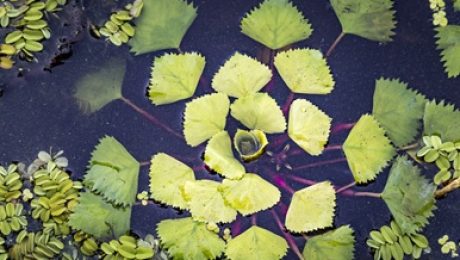
Invasive Water Chestnut forms dense mats that displace native species and interfere with recreational activities.
Water chestnuts are fast-growing invasive aquatic plants that choke waterways, damaging recreational opportunities and natural habitats. These plants displace native species, reduce biodiversity, hamper recreational uses and diminish the aesthetic value of bodies of water. They can negatively impact native vegetation and fish populations by forming large dense mats of vegetation on the water surface,
aquatic invasive species controlDepartment of Conservation and Recreationinvasive aquatic plant managementmechanical harvesting water chestnutMystic River invasive plantsriver weed removalwater chestnut Trapa natans

Lake Drawdowns Used to Control Milfoil in Alaska

  • 0
/ Published in Aquatic Invasive Species, Aquatic Plant Management
Aquatic Invasive eurasian watermilfoil, is an aquatic plant that forms dense mats of vegetation on the water’s surface.
If you notice a decrease in the water level at Twin Lakes in Alaska — despite this week’s drizzly weather — it’s because the City and Borough of Juneau’s Parks and Recreation Department and the Alaska Department of Fish & Game are draining the lakes to control milfoil, an invasive aquatic weed. The lakes are
Alaska aquatic invasive species controlEurasian watermilfoil Alaska lakeslake drawdown invasive plant managementnon herbicide aquatic weed managementsaltwater treatment milfoil controlTwin Lakes Alaska milfoil control

Elodea Spread in Alaska Raises Concern for Fish Habitat

  • 0
/ Published in Aquatic Invasive Species, Lake & Waterway Management
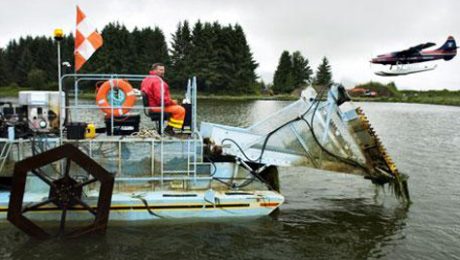
EH-220 harvesting aquatic weeds in Alaska
Two species of elodea have been found recently in a handful of lakes and sloughs in Alaska. While native in some of the lower 48 states, these species are the first invasive aquatic weeds in Alaska. A big concern is how the alien weed will degrade fish habitat for species such as salmon, trout and
Alaska aquatic invasive weedsaquatic invasive species preventionelodea Alaskafloatplane spread invasive speciesinvasive aquatic plants AlaskaMartin Lake Alaska elodeasalmon habitat invasive plants

Hydrilla Returns to Wallace Lake Prompting New Control Efforts

  • 0
/ Published in Aquatic Invasive Species, Lake & Waterway Management
Native to Africa and believed to have been introduced to American waters from the aquarium trade in the 1960’s, hydrilla has quickly spread across the southern U.S. from Connecticut to California.
The highly invasive species, hydrilla has shown up on once again in Wallace Lake, Cleveland Ohio. Due to its ability to grow and spread rapidly aggressive control efforts to eradicate the aquatic plant before it becomes widespread are being taken. First discovered last summer, it was the first of its kind in northern Ohio. Aquatic
aquatic herbicide treatment lakesboating restrictions invasive plantshydrilla eradication effortshydrilla invasive plantMetroparks lake managementOhio aquatic invasive speciesWallace Lake Ohio
  • 2
  • 3
  • 4
  • 5
  • 6
TOP