(262) 392-2162 | info@aquarius-systems.com
  • Contact Us
  • Resources
  • Careers

Aquarius-Systems

  • Home
  • Equipment
    Weed Harvesters
    Aquatic Excavators
    Canal Cleaners
    Vegetation Shredders
    Trash Skimmers
    Transport Barges
    Trailers
    Offloading Conveyors
  • Service
    Parts & Service
    Equipment Manuals
    Safety Guide
  • About Us
  • Media
  • Latest
  • Quote

Aquatic invasive species are non-native plants and animals that disrupt ecosystems, harm wildlife, and impact recreation. Learn how they spread, the problems they cause, and safe methods for control and management.

Water Hyacinth Shows Promise in Removing Toxic Chromium-6

  • 0
/ Published in Aquatic Invasive Species, Water Quality & Pollution
Invasive water hyacinth.
Heavy metal poisoning is a growing concern in many parts of the country. A new method for removing chromium-6, a highly toxic heavy metal, from waste water has been developed by a group of scientists from India and Ethiopia. They claim it to be low-cost and safe. The new method uses water hyacinth, a weed
chromium-6environmental scienceheavy metalsinvasive plantslake restorationphytoremediationwastewater treatmentwater hyacinthwater pollutionwater quality

Mechanical Harvesting Tackles Curly-Leaf Pondweed in East Okoboji Lake

  • 0
/ Published in Aquatic Invasive Species, Aquatic Plant Management
Harvester cutting and collecting aquatic weeds
Invasive curlyleaf pondweed has been choking East Okoboji Lake, snarling boat propellers, burning up motors and shutting down swimming, tubing and other water sports in an area that depends on recreation. The weed’s invasion is driving heated debates about how to control it — from using mechanical removal to administering herbicides that raise concerns about
aquatic vegetation removalaquatic weed harvestercurly leaf pondweedEast Okoboji Lakeinvasive aquatic plantsIowa lake weed controllake recreation impactsmechanical weed harvesting

Hydrilla Control Plan at Lake Waccamaw Could Cost Millions

  • 0
/ Published in Aquatic Herbicides, Aquatic Invasive Species
Native to Africa and believed to have been introduced to American waters from the aquarium trade in the 1960’s, hydrilla has quickly spread across the southern U.S. from Connecticut to California.
Lake Waccamaw is infested with hydrilla and officials are hoping fluridone is the answer to killing the invasive aquatic plant. Officials have chosen fluridone because it is supposed to point only hydrilla with no effect on other plants or animal life. The first treatment cycle will cost $196,660 for three applications and will need to
aquatic weed control costsfluridone herbicide treatmenthydrilla invasive planthydrilla management lakesinvasive aquatic plants North Carolinalake herbicide treatment programLake Waccamaw North Carolina

Elodea Infestation Threatens Floatplane Operations at Lake Hood

  • 0
/ Published in Aquatic Invasive Species, Lake & Waterway Management
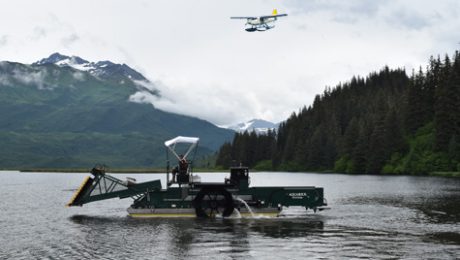
Aquatic weed harvester and approaching float plane
A weed infestation so bad it’s disturbing navigation for planes on Lake Hood has prompted the state to request an emergency herbicide application before someone gets hurt. Lake Hood in Alaska, known as the world’s busiest floatplane base, is exploding with greenery fueled by this year’s warm summer. But the lush underwater vegetation now includes
Alaska aquatic invasive specieselodea invasive plantelodea spread waterwaysfloatplane base Lake Hoodinvasive aquatic plants AlaskaLake Hood Alaskalake navigation hazards weeds

Lake Pend Oreille Chooses Non-Herbicide Milfoil Control Plan

  • 0
/ Published in Aquatic Invasive Species, Aquatic Plant Management
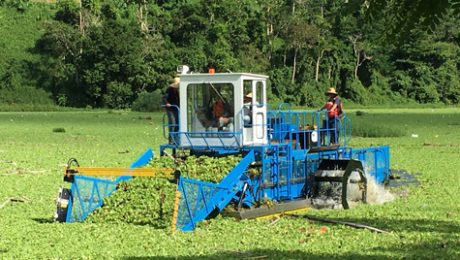
Mechanical Weed Harvester
In response to a plan put together by Lake Pend Oreille Waterkeeper, council members decided to decline the Idaho State Department of Agriculture’s offer to apply herbicide treatments in areas of watermilfoil infestation. This option came at no cost to the city, but the idea of herbicides in the water made many residents cringe. After
benthic barriers invasive plantsdiver dredging aquatic weed removalEurasian watermilfoil Idaho lakesIdaho invasive aquatic plantsLake Pend Oreille milfoil controllake weed management alternativesnon herbicide aquatic weed management

Stockton Struggles with Water Hyacinth Despite Treatments

  • 0
/ Published in Aquatic Invasive Species, Aquatic Plant Management
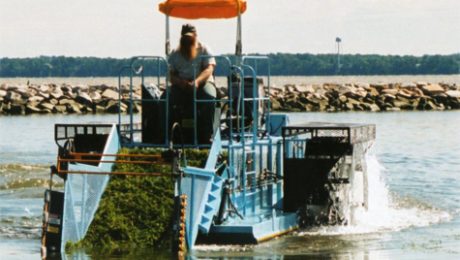
Mechanical water hyacinth harvester
In Stockton, California managers have been trying to keep the water hyacinth that washes in from the Delta under control with herbicide treatments. Unfortunately even after 15 applications, the hyacinth has extended beyond the level of control. Port officials say a state spraying program failed to control the hyacinth, so they contracted with a Bay
aquatic herbicidesaquatic vegetationdebris removalDelta waterwayseconomic impactinvasive species controllake managementmechanical harvestingStockton Californiawater hyacinth

Hydrilla Control in Florida Combines Herbicides and Mechanical Harvesting

  • 0
/ Published in Aquatic Invasive Species, Aquatic Plant Management
HM-220 cutting and removing hydrilla in Virginia
Hydrilla’s roots run deep in Florida. After a Gulf Coast aquarium dealer had the plant shipped from Sri Lanka in the early 1950s, the stringy nuisance has cost government agencies countless millions. Hydrilla grows up to two inches a day, clogging lakes, rivers and canals that flow to the Melbourne-Tillman (C-1) canal in Palm Bay.
aquatic weed harvester Floridacanal weed managementFlorida water management hydrilla controlherbicide resistant hydrillahydrilla Florida waterwaysinvasive aquatic plants Floridamechanical weed harvesting hydrilla

Improper Milfoil Cutting Can Spread Invasive Aquatic Plants

  • 0
/ Published in Aquatic Invasive Species, Aquatic Plant Management
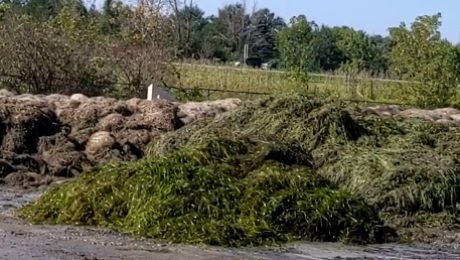
Aquatic Vegetation Used as Compost
Leave the weed cutting on lakes to the professionals, was one common theme at Thursday morning’s Cayuga County Water Quality Management Agency meeting in New York. Invasive species have proved to be particularly difficult to manage this year, and in areas such as Cayuga Lake and Skaneateles Lake, agencies have found property owners with good
aquatic weed management best practicesCayuga Lake watermilfoil controlEurasian watermilfoil lake managementimproper aquatic weed cuttinginvasive aquatic plant preventionmilfoil fragmentation spread lakesSkaneateles Lake invasive plants

Herbicide-Resistant Milfoil Complicates Lake Management in Wisconsin

  • 0
/ Published in Aquatic Invasive Species, Aquatic Plant Management
Aquarius Systems SC-34 Shore Conveyor and HM-620 Weed Harvester
The ongoing battle against aquatic weeds on Kenosha County’s inland lakes is getting tougher as one of the most invasive species is developing an herbicide-resistant strain, and ongoing drought changes the landscape of the lakes. Without artificial control methods, the lake weeds would make Camp Lake and Paddock Lake, among others difficult to navigate as
Herbicide-Resistant Milfoil Complicates Lake Management in Wisconsin

Winter Rototilling Used to Control Milfoil in Osoyoos Lake

  • 0
/ Published in Aquatic Invasive Species, Aquatic Plant Management
Harvesting aquatic milfoil and algae in Minnesota with HM-420 Harvester
The winter phase of the milfoil control program on Osoyoos Lake in British Columbia, Canada, got underway last week as water temperatures continued to cool. Unlike during the summer, when a machine cuts and harvests the tops of the invasive weed, between October and April a rototiller is used to pull the plant up by
Eurasian watermilfoil rototillinginvasive aquatic plants Canada lakeslake bottom rototilling milfoilmechanical milfoil root removalOkanagan Basin Water Board milfoil programOsoyoos Lake milfoil controlwinter aquatic weed management
  • 1
  • 2
  • 3
  • 4
TOP