
Aquatic invasive species are non-native plants and animals that disrupt ecosystems, harm wildlife, and impact recreation. Learn how they spread, the problems they cause, and safe methods for control and management.

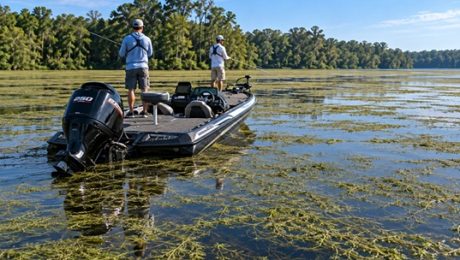
One of the consequences of extended flooding and muddy water in the Tennessee Valley Authority lakes stretching across north Alabama is the decimation of underwater vegetation, changing the areas where bait and bass gather. Too much hydrilla and milfoil – both invasive species – is obviously a bad thing for boaters, anglers and fish because
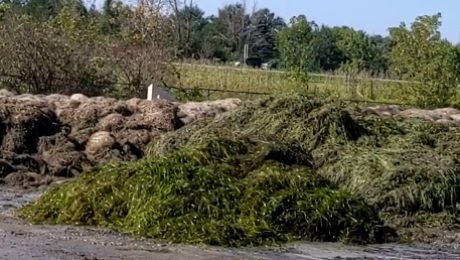
Portions of three lakes this season will have hand harvesting of Eurasian Water Milfoil (EWM) according to information from the Lower Eagle River Chain of Lakes Commission in Wisconsin. The affected area is composed of seven acres. Since 2008, the commission has treated 1,117 acres of milfoil at a cost of $1.53 million. It took
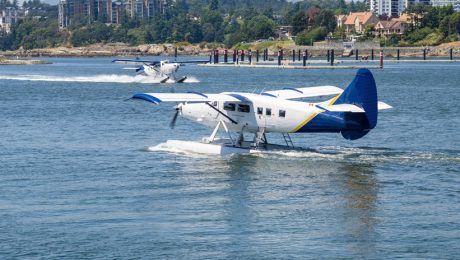
Pacific Northwest seaplane pilots have pioneered a program that would allow pilots to perform their own invasive species inspections prior to landing in another state’s waters rather than requiring state or federal inspectors to perform the examination. Participants watch an educational video, take an accompanying quiz, and pocket a completion certificate. The course describes how
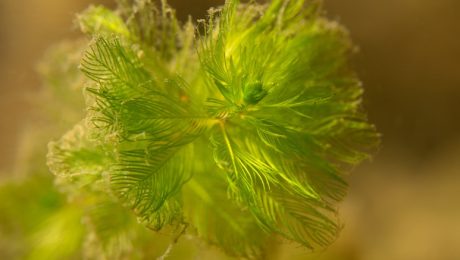
Lake Shawnee has been identified time and again as one of the most idyllic locations in Shawnee County, Kansas, leading county commissioners to invest heavily in the area in recent years with new walking paths and other features. But maintaining that beauty, and more importantly, what’s under the water, can be challenging and at times
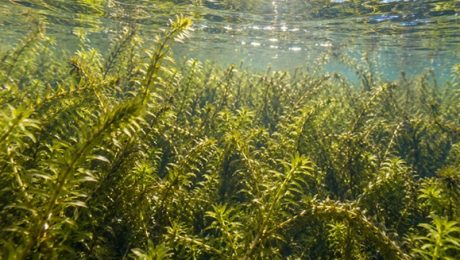
A common aquarium plant illegally dumped into Alaskan waters that has adapted to cold weather could threaten wild salmon habitat and cost the commercial fishing industry hundreds of millions of dollars. A recent study conducted by ISER, the Institute of Social and Economic Research, found that if not managed, the cost of the elodea invasion

It’s only found in 14 Minnesota lakes at this point, but starry stonewort has the potential to cause lots of harm, and fast. Recent research shows that the macroalgae has the potential to be the high-impact invader in Minnesota lakes that many already fear it is. It warrants the high prioritization that public agencies and
Across the warming globe, a mass exodus of tens of thousands of species is transforming the distribution of biodiversity — and challenging fundamental tenets in conservation policy and science. In recent years, scientists have documented countless species shifting their ranges toward the poles, higher into the mountains, and deeper into the seas in response to

There are two main invasive weeds in Lake Guntersville, hydrilla and milfoil. Neither plants are native to the lake. In fact it’s believed that milfoil entered the Tennessee River system by someone dumping a home aquarium in the Watts Bar Lake, upriver from Lake Guntersville. Tennessee Valley Authority allowed the news media to see how

In 2013, 6,000 sterile grass carp were introduced into Smith Mountain Lake, Virginia, to combat the growth of invasive aquatic vegetation such as hydrilla which has seen a massive growth around the lake. When hydrilla was first discovered at the lake in 2007, a patch of the aquatic weeds were just a few acres in
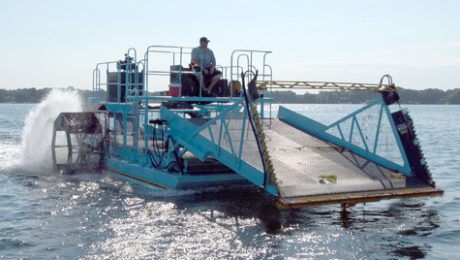
Chautauqua Lake Association in New York performed a study focused on weed harvesting. People believe that the harvesting operation loses a lot of plant material and critics of mechanical harvesting say crews don’t collect enough of the plant material that they cut, leaving behind floaters. After operating the weed harvester, reliable data collected shows that