
Aquatic invasive species are non-native plants and animals that disrupt ecosystems, harm wildlife, and impact recreation. Learn how they spread, the problems they cause, and safe methods for control and management.

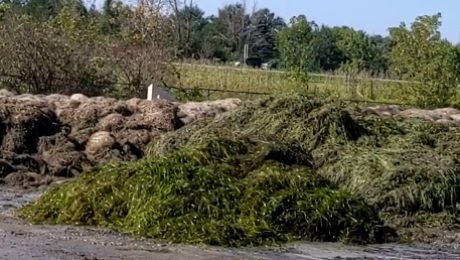
Oakland town councilors will be considering whether to become a test site for the Maine Department of Environmental Protection to research composting milfoil as an option for disposing of the fast spreading aquatic weed. The town and other municipalities in the Belgrade lakes region, along with area lake associations, have spent thousands of dollars eradicating
Pentwater Lake Improvement Board President Joe Primozich recently issued an update on changes going on in overall health of Pentwater Lake in Michigan. Primozich said according to Progressive AE, the Grand Rapids company that monitors the lake vegetation, the aquatic invasive water milfoil has now changed to the hybrid form. “This means that it has
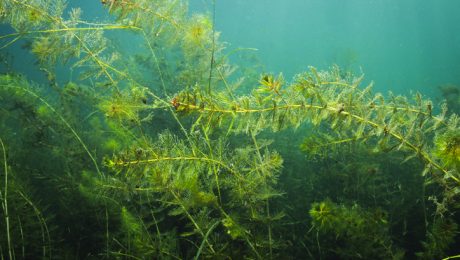
An herbicide treatment of Lake Iroquois in Chittenden County, Vermont, isn’t likely to occur this year because the state received so many public comments that it will not have time to respond before the window has passed in which the first treatment must occur. Although representatives from the state say the herbicide won’t unduly harm
The Minnesota Department of Natural Resources is conducting an immediate response to the capture of 51 invasive carp on the Mississippi River. The invasive carp were caught by two commercial fishing operators near La Crosse and Trempealeau, Wisconsin, during routine spring netting in March. When the commercial fishing operator operating near La Crosse saw what

Commercial fishermen and fish fertilizer suppliers are struggling to keep up with a demand for carp as people spend more time gardening and growing their own food during the pandemic. The impacts of carp include a reduction in water quality, riverbank damage, and potential contribution to algae blooms which comes at the expense of native

The water of Hamilton Harbour in Ontario, Canada, has been used and abused over the decades, as sewage water and industrial by-products have flowed into the port since the 1800s with devastating consequences for the harbor’s flora and fauna. Today, treated sewage water, which isn’t fully cleansed of algae-causing nutrients, is still released into the
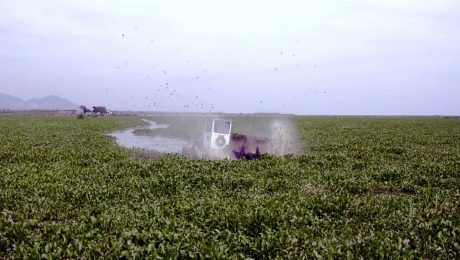
LakeLine A publication of the North American Lake Management Society Fall 2000 Innovative Technologies for Lake Management Africas’ Lake Victoria is the second largest freshwater lake in the world. It is less than 260 feet at its deepest point. For nearly ten years a growing water hyacinth infestation has wreaked havoc on the neighboring countries.

In August of 2018 starry stonewort, an aquatic invasive species was found in a lagoon of Geneva Lake and within a year it was found in Geneva Lake. Initially it was hoped that the isolated population in the lagoon could be eradicated by dredging before it got into the lake, but the attempts failed and

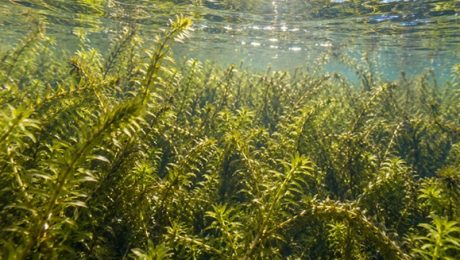
Elodea is a plant commonly found in aquariums that, if released in the wild, will dominate certain lake or river habitats, choking out native vegetation and altering the food web at all levels. It increases sedimentation rate, allowing more sediment to settle out of the water. And it can decrease the dissolved oxygen concentration in