(262) 392-2162 | info@aquarius-systems.com
  • Contact Us
  • Resources
  • Careers

Aquarius-Systems

  • Home
  • Equipment
    Weed Harvesters
    Aquatic Excavators
    Canal Cleaners
    Vegetation Shredders
    Trash Skimmers
    Transport Barges
    Trailers
    Offloading Conveyors
  • Service
    Parts & Service
    Equipment Manuals
    Safety Guide
  • About Us
  • Media
  • Latest
  • Quote

Aquatic invasive species are non-native plants and animals that disrupt ecosystems, harm wildlife, and impact recreation. Learn how they spread, the problems they cause, and safe methods for control and management.

Study Shows Weed Harvesters Leave Minimal Debris Behind

  • 0
/ Published in Aquatic Invasive Species, Aquatic Plant Management
HM-1020 Mechanical Weed Harvester in Minnesota.
Chautauqua Lake Association in New York performed a study focused on weed harvesting. People believe that the harvesting operation loses a lot of plant material and critics of mechanical harvesting say crews don’t collect enough of the plant material that they cut, leaving behind floaters. After operating the weed harvester, reliable data collected shows that
aquatic weed harvester debris collectionChautauqua Lake weed harvesting studyfloating vegetation prop chop impactinvasive aquatic plant management researchlake vegetation floaters causesmechanical harvesting efficiency aquatic plants

New Herbicide Proposed for Milfoil Control in Massachusetts Lake

  • 0
/ Published in Aquatic Herbicides, Aquatic Invasive Species
Aquatic herbicide treatment of a lake.
Conservation officials hope that a new herbicide treatment being considered for use in Cocasset Lake in Massachusetts this season may prove an antidote to a mushrooming vegetation problem afflicting local lakes and ponds. ProcellaCOR was recommended for use in Cocasset Lake by Joseph Onorato, an aquatic specialist with Water & Wetland LLC of Upton, which
aquatic herbicidesaquatic plant controlCocasset Lakeeurasian water milfoilfanwortinvasive specieslake managementprocellacor

Lake George Herbicide Use Raises Questions on Long-Term Impact

  • 0
/ Published in Aquatic Herbicides, Aquatic Invasive Species
Aquatic Invasive eurasian watermilfoil, is an aquatic plant that forms dense mats of vegetation on the water’s surface.
The Adirondack Park Agency (APA) is using an aquatic herbicide at two points along Lake George in New York State. At both sites, the problem is growth of Eurasian Watermilfoil, an invasive plant species that grows quickly in water bodies it’s tracked into. The APA conducted monitoring and said the herbicide eliminated all traces of
aquatic herbicideseurasian water milfoilherbicide resistanceinvasive specieslake georgelake managementprocellacorwisconsin dnr

Hand Pulling Starry Stonewort Helps Protect Native Plants

  • 0
/ Published in Aquatic Invasive Species, Aquatic Plant Management
Dense mat of the invasive aquatic macroalgae known as starry stonewort
Heidi Bunk, a water resources management specialist with the Wisconsin Department of Natural Resources, said while the long-term effectiveness of hand pulling the invasive species starry stonewort is still being evaluated, it can be advantageous because it allows for the removal of starry stonewort without harming native species in the way chemical treatments might. She
AIS controlaquatic plant managementchemical treatmentshand pullinginvasive species controllake managementnative plantsstarry stonewortwater qualitywisconsin dnr

Invasive Species and Marine Debris

  • 0
/ Published in Aquatic Invasive Species, Water Quality & Pollution
Natural and man made debris floating on the waters surface
West Coast beachcombers have treasured the rare sightings of Japanese glass floats; spherical buoys strung together to aid fishermen in managing their catch. It was once thought that these translucent orbs took nearly a decade to reach the U.S.–traveling up to 8,000 miles of open sea. But in 2011, 5 million tons of debris was
invasive speciesmarine debris

Intensifying Hurricanes are Helping Invasive Species Spread Across the U.S.

  • 0
/ Published in Aquatic Invasive Species
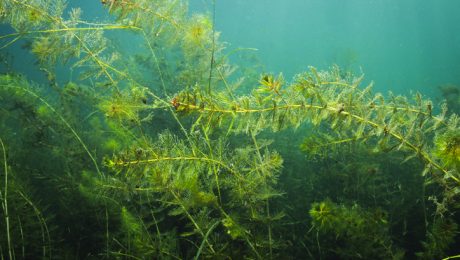
Aquatic Invasive Species Eurasian Watermilfoil
New research has found that hurricanes in the United States are dispersing invasive species across the country. Fueled by climate change, hurricanes are becoming more frequent and intense, research shows; as a result, extreme storms are carrying and scattering hundreds of invasive species such as Asian swamp eels and zebra mussels into new regions of
hurricanes

Delta Hyacinth Grows Despite Millions Spent on Chemicals

  • 0
/ Published in Aquatic Herbicides, Aquatic Invasive Species
Water hyacinth harvester
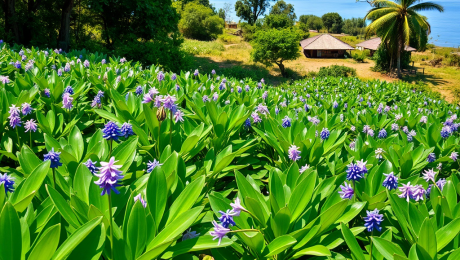
Water hyacinth has been on the Delta for decades, but really exploded in 2011 and 2012 as officials were not able to obtain a permit to spray chemicals in a timely fashion. Efforts to control hyacinth in the Deltas focuses primarily on the use of chemical herbicide applications. Officials aggressively spray chemicals; a prepared document
aquatic vegetationCalifornia Deltachemical treatmentherbicide useinvasive species controllake managementmechanical harvestingStockton Portwater hyacinthwaterway management

Water Hyacinth Could Power Energy Projects in California

  • 0
/ Published in Aquatic Invasive Species
An abundance of water hyacinth blocks access to a small village.
Water hyacinth has been the scourge of the Delta in recent years, but by this summer it could be providing the power to city lights. A pilot project is in the works to harvest it for biogas. Port of Stockton Environmental Manager Jeff Wingfield says the port is proposing a pilot project to harvest the
aquatic vegetationbioenergybiogasDelta waterwaysinvasive species reusemechanical harvestingmethane productionrenewable energyStockton Californiawater hyacinth

Manual Water Hyacinth Removal Raises Concerns Over Spread

  • 0
/ Published in Aquatic Invasive Species, Aquatic Plant Management
Free-floating aquatic plant, water hyacinth.
Nyamitanga Division Chairperson Moses Karanzi Kajubi says the move to manually remove the water weed should be supported instead of being criticized. He says that they intend to do the cleaning of the river at least once a month, by pulling the water weed out of the water and cut it into pieces so that
AIS controlaquatic plant managementaquatic vegetationenvironmental concernsinvasive species controlmanual removalmechanical harvestingriver managementwater hyacinthweed spread

Invasive Milfoil Threatens Colorado Waterways and Irrigation

  • 0
/ Published in Aquatic Herbicides, Aquatic Invasive Species
Pewaukee Lake Aquatic Plant Management
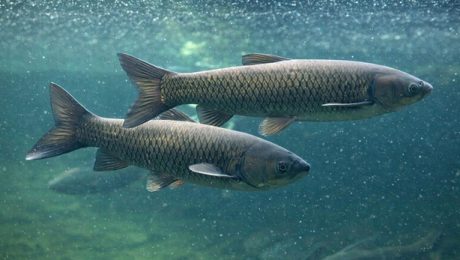
A highly invasive aquatic weed has been discovered in a number of ponds in the Animas Valley in Colorado, putting the heat on to eradicate it before it enters the Animas River and, potentially, Lake Nighthorse. The invasive weed aggressively outgrows and outcompetes native aquatic plants. It can then clog irrigation systems and ponds, and
Animas Riveraquatic herbicidesaquatic plant controlColorado pondseurasian water milfoilinvasive speciesirrigation impactLake Nighthorse
  • 7
  • 8
  • 9
  • 10
  • 11
TOP