(262) 392-2162 | info@aquarius-systems.com
  • Contact Us
  • Resources
  • Careers

Aquarius-Systems

  • Home
  • Equipment
    Weed Harvesters
    Aquatic Excavators
    Canal Cleaners
    Vegetation Shredders
    Trash Skimmers
    Transport Barges
    Trailers
    Offloading Conveyors
  • Service
    Parts & Service
    Equipment Manuals
    Safety Guide
  • About Us
  • Media
  • Latest
  • Quote

Aquatic invasive species are non-native plants and animals that disrupt ecosystems, harm wildlife, and impact recreation. Learn how they spread, the problems they cause, and safe methods for control and management.

Water Chestnut Spreads in New York and Harms Aquatic Ecosystems and Recreation

  • 0
/ Published in Aquatic Invasive Species
Invasive Water Chestnut forms dense mats that displace native species and interfere with recreational activities.
Trapa natans is native to Western Europe and Africa and northeast Asia, including eastern Russia, China, and southeast Asia to Indonesia. Trapa natans was first introduced to North America in the mid- to late-1870s, when it is known to have been introduced into the Cambridge botanical garden at Harvard University around 1877. A decade later
aquatic ecosystemsaquatic invasive speciesboating accessdissolved oxygenfish habitatHudson Riverinvasive aquatic plantsNew York lakesrecreation impactssurface matsTrapa natanswater chestnut

Climate Impacts Starry Stonewort Spread in Minnesota Lakes

  • 0
/ Published in Aquatic Invasive Species, Lake & Waterway Management
Invasive algae starry stonewort
Starry stonewort was first discovered in Minnesota waters in Lake Koronis in 2015. It’s now found in 19 Minnesota waterbodies. Lake Koronis is helping researchers understand how a changing climate may influence this invasive and how we can better manage it. Overall, the research showed year-to-year variability in the total biomass of starry stonewort. There
AIS managementaquatic vegetationclimate changeherbicide treatmentinvasive speciesLake Koronislake managementmechanical harvestingMinnesota lakesstarry stonewort

Study Finds Herbicides for Eurasian Milfoil Can Harm Native Aquatic Plants

  • 0
/ Published in Aquatic Herbicides, Aquatic Invasive Species
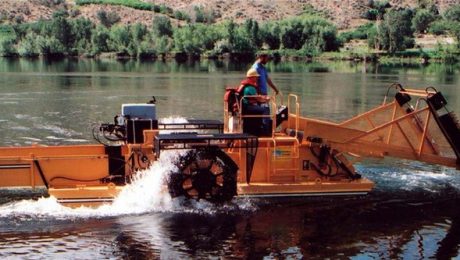
Spraying herbicides on aquatic plants.
Lake managers might be hurting native aquatic plants – instead of helping them – when they use chemicals to control invasive plants on entire lakes. New research by Wisconsin DNR Lakes and River Team Leader Dr. Alison Mikulyuk shows native plant communities can struggle when chemicals are used to target invasive Eurasian watermilfoil. It appears
aquatic herbicidesaquatic invasive specieschemical treatmenteurasian milfoilinvasive aquatic plantslake healthlake managementnative aquatic plantsvegetation managementwisconsin dnr

Missouri City Approves Weed Harvesting to Control Curly-Leaf Pondweed in Forest Lake

  • 0
/ Published in Aquatic Invasive Species, Lake & Waterway Management
Mechanical Weed Harvester
Kirksville City Council members voted to approve a resolution to allow weed harvest operations at Forest Lake in Thousand Hills State Park, Missouri, as the invasive curly leaf pond weed is not only negatively affecting recreation activities, but also impacts water quality and the drinking water treatment process. In 2018, the city entered into a
aquatic invasive speciesaquatic plant harvestercurly leaf pondweeddrinking waterinvasive aquatic plantslake managementmechanical harvestingMissourirecreation impactswater qualityweed harvestingweed mats

Puerto Rico Uses Weed Harvesters to Remove Water Hyacinth and Water Lettuce From Carraízo Reservoir

  • 0
/ Published in Aquatic Invasive Species, Aquatic Plant Management
Aquatic Weed Harvester
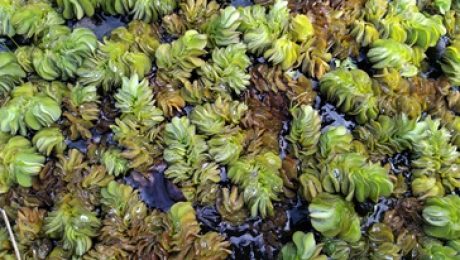
Carraízo reservoir in Puerto Rico has fallen victim to two of the world’s most invasive aquatic plants: water lettuce and water hyacinth. Often found together, the invasive plants grow at exponential rates, obstruct waterways, clog hydropower plants, and prevent sunlight from penetrating the water’s surface, reducing water quality. The Aqueduct and Sewer Authority began its
aquatic invasive speciesaquatic plant harvesterCarraízo reservoircompostinghydropowerinvasive aquatic plantsmechanical harvestingPuerto Ricovegetation disposalwater hyacinthwater lettucewater qualityweed harvesting

Giant Salvinia Returned to Barnett Reservoir After Chemical Treatment and Removal

  • 0
/ Published in Aquatic Herbicides, Aquatic Invasive Species
Aquatic Invasive Species Giant Salvinia
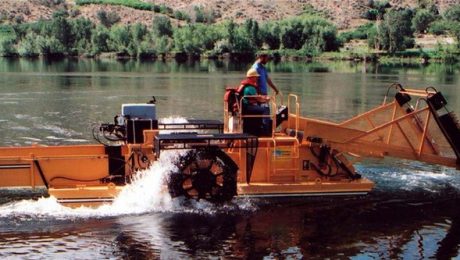
In July, the last known patches of Giant Salvinia, an invasive and aggressive aquatic plant at the Barnett Reservoir in Mississippi, were eliminated. The vegetation was treated with multiple chemicals and then removed, but after six months of Giant Salvinia being absent from the lake, the cleanup team discovered the unwelcomed guest. Apparently a stray
aquatic herbicidesaquatic invasive speciesbarnett reservoirchemical treatmentgiant salviniainvasive aquatic plantslake managementMississippirapid growthregrowthsalvinia molestasurface mats

Okanagan Lake Milfoil Program Clears Infested Areas With Long-Term Weed Harvesting

  • 0
/ Published in Aquatic Invasive Species, Aquatic Plant Management
Aquatic Weed Harvester
The Okanagan Basin Water Board milfoil program has been so successful over the past five decades. Aquatic weed harvesters used in significant areas with milfoil infestation on Okanagan Lake, British Columbia, Canada are now clear of the invasive plant. Meanwhile, the water board continues to work with the province and environmental consultants to expand existing
aquatic invasive speciesaquatic plant harvesterBritish ColumbiaCanadaeurasian milfoilinvasive aquatic plantslake managementlong-term managementmechanical harvestingmilfoil managementOkanagan Lakeweed harvesting

Prop Chop Spreads Eurasian Milfoil in Black Lake as Officials Debate Control Options

  • 0
/ Published in Aquatic Invasive Species, Lake & Waterway Management
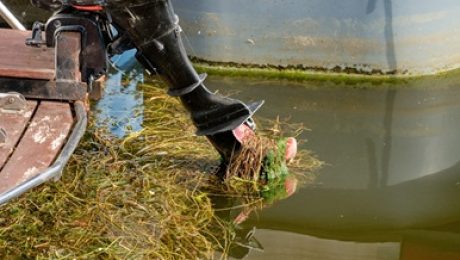
Boat Propeller Tangled in Weeds
County legislators are considering providing some type of support to a group trying to get rid of the Eurasian milfoil infestation in Black Lake, New York. The milfoil problem is exacerbated when propellers on boats going through the lake chop it up (prop chop) the and spread its seeds. Legislators debated what methods could stop
aquatic invasive speciesaquatic plant harvesterboating impactschannel dredgingeurasian milfoilinvasive aquatic plantslake managementmechanical harvestingnavigation lanesNew Yorkprop chopweed harvesting

Salvinia Minima Spreads in South Africa After Water Hyacinth Control

  • 0
/ Published in Aquatic Invasive Species, Water Quality & Pollution
Invasive Aquatic Weed Salvinia
Hartbeespoort Dam in South Africa has a new invasive aquatic weed to battle, Salvinia minima. The proliferation of common salvinia, just as water hyacinth came under biological control through the combined efforts is no coincidence. In areas that experience high levels of nutrient inflow (pollution), the control of one aquatic weed opens resources to other
aquatic invasive speciesbiological controlcommon salviniaeutrophicationHartbeespoort Daminvasive aquatic plantslake managementnutrient pollutionsalvinia minimasecondary invasionSouth Africawater hyacinth

Curly-Leaf Pondweed Washes Ashore in Clear Lake as Its Seasonal Life Cycle Ends

  • 0
/ Published in Aquatic Invasive Species, Resources
urly-leaf pondweed is a rooted, submersed aquatic plant
In mid-June in Clear Lake, much of the curly-leaf pondweed had reached the end of its life cycle, and the weeds washing ashore are just a result of that.  Curly-leaf pondweed begins to grow during the fall at the bottom of bodies of water, like Clear Lake, with its life cycle coming to an end
aquatic invasive speciesaquatic vegetationclear lake iowacurly leaf pondweedinvasive aquatic plantslake healthmild winterplant life cycleseasonal die-offshoreline cleanupwarm winter
  • 10
  • 11
  • 12
  • 13
  • 14
TOP