(262) 392-2162 | info@aquarius-systems.com
  • Contact Us
  • Resources
  • Careers

Aquarius-Systems

  • Home
  • Equipment
    Weed Harvesters
    Aquatic Excavators
    Canal Cleaners
    Vegetation Shredders
    Trash Skimmers
    Transport Barges
    Trailers
    Offloading Conveyors
  • Service
    Parts & Service
    Equipment Manuals
    Safety Guide
  • About Us
  • Media
  • Latest
  • Quote

Aquatic invasive species are non-native plants and animals that disrupt ecosystems, harm wildlife, and impact recreation. Learn how they spread, the problems they cause, and safe methods for control and management.

Montana Boat and Seaplane Inspections Help Prevent Invasive Mussels From Spreading

  • 0
/ Published in Aquatic Invasive Species, Resources
Inland Lake Harvester with Seaplane
Keeping aquatic invasive species out of Montana bodies of water, specifically invasive mussels, is very important to protecting the native fish and plant species in the area. Researchers said cleaning, draining and drying boats is nearly 100% effective at keeping AIS out of Montana. That is why boat inspections are required in the state. Seaplanes
AIS trainingaquatic invasive speciesboat inspectionsclean drain dryfish habitatinvasive musselsinvasive species preventionlake managementMontanaseaplane inspectionswaterway protectionzebra mussels

Lake Whitehall Plan Combines Herbicides and Mechanical Harvesting to Control Invasive Weeds

  • 0
/ Published in Aquatic Herbicides, Aquatic Invasive Species
HM-420 aquatic plant harvestering cutting lake weeds.
The Massachusetts’s Department of Conservation and Recreation is aiming to reduce invasive plant species in Lake Whitehall in a plan that calls for herbicides and mechanical harvesting. The reservoir has extensive growth of “exotic nuisance aquatic vegetation,” including fanwort and variable-leaf milfoil, according to a report by ESS Group, a firmed hired by the state.
algaecideaquatic herbicidesaquatic invasive speciesbenthic barriersdiver harvestingfanwortinvasive aquatic plantslake managementLake WhitehallMassachusetts DCRmechanical harvestingvariable-leaf milfoilweed harvesting

Grass Carp Control Hydrilla but Reduce Habitat in Tuckertown Reservoir

  • 0
/ Published in Aquatic Invasive Species, Recreation & Fisheries
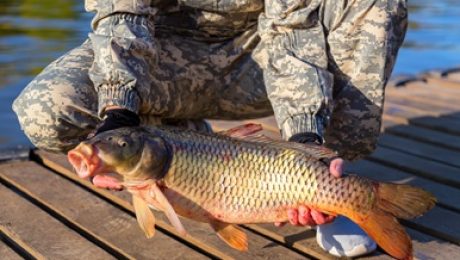
Triploid Grass Carp
The North Carolina Wildlife Resources Commission is planning to add 100 artificial and natural structures at 37 sites to provide additional fishing areas for the angling public at the Tuckertown Reservoir.  These fish attractors are intended to help offset the loss of aquatic vegetation in the presence of sterile grass carp. Sterile grass carp are a practical
aquatic vegetation loss fisheries habitatfish habitat restoration reservoirsgrass carp aquatic vegetation controlhydrilla invasive aquatic plant NClyngbya black mat algae lakessterile grass carp lake managementTuckertown Reservoir hydrilla control

Realistic Goals to Control Curly-Leaf Pondweed

  • 0
/ Published in Aquatic Invasive Species, Aquatic Plant Management
Curly-Leaf Pondweed
According to Nick Brown, DNR invasive species specialist, herbicides used to treat curly-leaf pondweed on Minnesota lakes may not lead to improvements in water quality. Curly-leaf pondweed is an invasive plant found throughout much of Minnesota. The plant grows slowly throughout the winter under the ice, but once the ice has left the lake the
aquatic herbicides lakesaquatic plant harvestingcurly leaf pondweedinvasive aquatic plants Minnesotalake weed control methodslittoral zone managementmechanical weed harvestingMinnesota DNR research

Rise in Boat Sales Could Suggest a New Quagga Mussel Infestation

  • 0
/ Published in Aquatic Invasive Species
Quagga Mussels
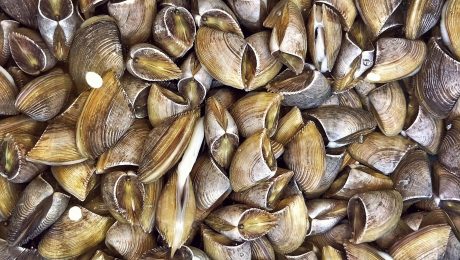
According to the Arizona Game and Fish Department, the invasive quagga mussel is primed to make a comeback despite years of slowed growth. The reason? Quaggas can be spread by watercraft, and recent boat sales data from the National Marine Manufacturers Association shows that sales are robust. More vessels are filling state lakes, rivers, reservoirs
aquatic food chainaquatic lifeinvasive musselquagga mussel

Ice Fishing and Aquatic Invasive Species Prevention

  • 0
/ Published in Aquatic Invasive Species, Recreation & Fisheries
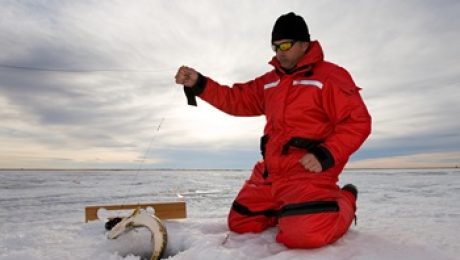
Man ice fishing on sunny day.
When winter arrives and lakes freeze over, the true test of your love of fishing becomes apparent.  Winter sportsmen are out in their shanties, drilling holes in the ice in the hopes of reeling in the “big one.”  Those of us who live in areas of frozen lakes know that fish tales do not end
AIS preventionaquatic invasive speciesclean drain dryeurasian water milfoilice fishinginvasive species spreadlake managementwinter fishing

How Ballast Water and Aquariums Spread Invasive Species

  • 0
/ Published in Aquatic Invasive Species, Blog
Discharging Ballast Water on Cargo Ship
According to a Fish and Wildlife study, almost 80 percent of non-native species found on the West Coast were first sighted in California. You might have heard about ballast water. Cargo ships fill their holds with seawater to stay balanced, but that water can also carry invasive species. Since 1999, ships have been required to
aquarium dumpingaquatic invasive speciesballast watercoastal ecosystemsenvironmental impactinvasive species Californiamarine invasivesnon-native speciesrecreational boatingwildlife management

The American Hippo Bill and Water Hyacinth Control Efforts

  • 0
/ Published in Aquatic Invasive Species
United States to Import Hippos to Control Hyacinth
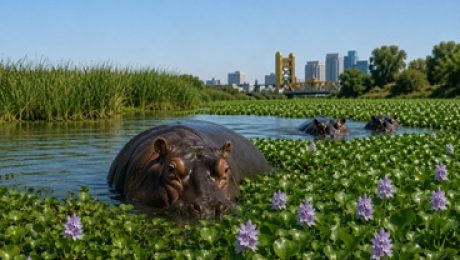
In 1909, the United States was suffering a shortage of meat. At the same time, Louisiana’s waterways were being choked by invasive water hyacinth. The solution seemed to be simple, the American Hippo Bill.  Hippos could be imported to the United States to eat the water hyacinth and people can eat the hippos. The bill
American Hippo Billaquatic plant controlbiological controlcapybarasDelta waterwayshippos invasive plantsinvasive species historylake managementmanateeswater hyacinth

Robots and Electric Tech Take on Invasive Aquatic Species

  • 0
/ Published in Aquatic Invasive Species, Blog
Underwater robot is targeting invasive lionfish.
In the fight against alien animals that invade and overrun native species, the weird and the wired sometime win. Invasive species are plants and animals that thrive in areas where they don’t naturally live, usually brought there by humans, either accidentally or intentionally. Sometimes, with no natural predators, they multiply and take over, crowding out
aisaquatic invasive speciesasian carpecosystem protectioninvasive carpinvasive lionfishlionfish

Balancing Aquatic Plant Growth in TVA Waterways

  • 0
/ Published in Aquatic Invasive Species, Aquatic Plant Management
Harvesting Channels Through Aquatic Vegetation
Aquatic plants, whether invasive or native, can be described as either a mess or a resource.  Natural plant growth covers 20 – 40% of the water and includes a diversity of plants.   However, invasive plants such as Eurasian watermilfoil, hydrilla and water hyacinth quickly take over a lake covering 60% and sometimes 100% of the
aquatic plant managementaquatic vegetationeurasian watermilfoilhydrillainvasive species controllake managementmechanical harvestingTVA waterwayswater hyacinthwater quality
  • 11
  • 12
  • 13
  • 14
  • 15
TOP