
Explore the causes and effects of water contamination, including microplastics, chemicals, and stormwater runoff. Learn how to protect lakes, rivers, and freshwater resources.


A monumental eco-challenge facing the planet is plastic marine debris. The modern economy has produced more than eight billion metric tons of newly manufactured plastic, but 75% of it becomes plastic waste. It is estimated that approximately five trillion pieces of plastic, or roughly 250,000 metric tons, have littered the waters. So, what can be

A recent study of bottled water, conducted by the journalism organization Orb Media, found that almost every major brand of bottled water is contaminated with particles of plastic. The researchers tested 250 bottles of water—from nine countries and 11 brands. They dropped a red dye in each, which stuck to the plastic and glowed when

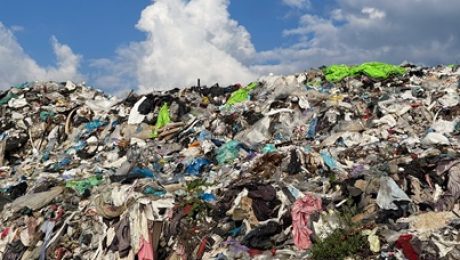

The beautiful fall colors will soon give way to barren trees and piles of fallen leaves around our yards and neighborhoods. The leaves decompose and restock the soil with nutrients and organic matter. However, those decomposing leaves may eventually make their way into lakes and rivers. They get washed down streets and into storm drains
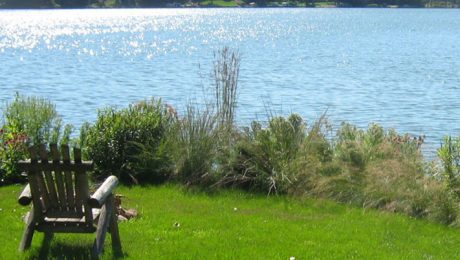
Probably the single most helpful thing we can all do to help keep surface waters clean is the addition of a native vegetative buffer along the lakeshore. Buffers help filter out and trap pollutants like fertilizers, herbicides and pet waste before they reach the water. In addition, the deep roots from native buffer plants help

Phosphorus is one of the most important components in the ongoing struggle to balance agricultural prosperity with water quality. When farmers fertilize their fields with this essential nutrient, plants use some, with precipitation carrying excess amounts into nearby bodies of water, fueling algal blooms that can kill fish and and endanger drinking water quality. But

Portland’s first snowstorm of the winter storm season hit mid-day prompting thousands of people to head home early. Unfortunately, roadways were clogged for hours leaving many to abandon their cars. Cautious motorists decided to stay home from work when the second snowstorm that left roadways icy for days. Portland is now looking at adding road

Across the country and around the globe, the effects of drought are everywhere. Google the word “drought” and the news stories are endless; some with severe consequences. In California, over 100 million trees have died due to the drought. In Tennessee the drought is posing a huge threat to the cattle industry. Pastures have dried

The dead zone in the Gulf of Mexico, which is believed to have been around since the 1970’s, is now an estimated 6,474 square miles of water unable to support marine life. Government and independent scientists believe nutrient runoff is the main cause of the dead zone. Pollutants such as nitrogen and phosphorus flow into

The Environmental Protection Agency reports that 40% of the nation’s waterways suffer water quality problems. Water systems are often interlinked and the dangers of runoff from agriculture, forestry, construction and people’s personal yards are numerous. Did you know that a typical city block generates more than five times as much rainwater runoff as a forested