(262) 392-2162 | info@aquarius-systems.com
  • Contact Us
  • Resources
  • Careers

Aquarius-Systems

  • Home
  • Equipment
    Weed Harvesters
    Aquatic Excavators
    Canal Cleaners
    Vegetation Shredders
    Trash Skimmers
    Transport Barges
    Trailers
    Offloading Conveyors
  • Service
    Parts & Service
    Equipment Manuals
    Safety Guide
  • About Us
  • Media
  • Latest
  • Quote

October 2012 Newsletter

  • 0
/ Published in Newsletter
Another Algae to be on the Look Out For Arsenic on the Dinner Table Lost at Sea – The SS Edmund Fitzgerald Chara Algae Upcoming Events & Conferences 32nd International NALMS Symposium Invasive Species Conference Read More
algaeaquatic invasive speciesConferencesgreat lakeslake managementwater quality

Invasion of the Algae Blooms!

  • 0
/ Published in Algae & Harmful Algal Blooms
Blue-green algae
As many Americans plan trips to lakes and river this Labor Day Weekend, experts are sending out a warning to watch out for toxic algae blooms. Researchers identified 318 bodies away in the US that have been infected by the microscopic organism called cyanobacteria. Approximately 86 percent of the outbreaks were in recreational areas, but
algaecyanobacteriatoxic algae

Wyoming Game and Fish Exploring Ways to Address Algae

  • 0
/ Published in Algae & Harmful Algal Blooms, Aquatic Plant Management
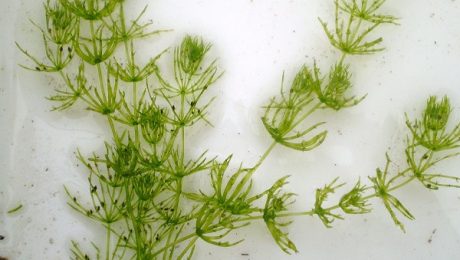
Chara, a branchy aquatic algae
Whether you visited Renner Reservoir for the first or 10th time this summer, you probably noticed a branchy, aquatic algae called chara covering the bottom of the reservoir. Compared to other aquatic plants, which are referred to as macrophytes, chara forms denser mats offering less habitat for fish and a less palatable meal for invertebrates.
algaeaquatic plantschara

Starry Stonewort Control Uses Harvesting and Limited Herbicides in Missouri

  • 0
/ Published in Aquatic Invasive Species, Aquatic Plant Management
Weed Harvester Removing Hydrilla
Center Lake and Clearwater Lake Association are trying to combat the starry stonewort with and aquatic weed harvester this summer. In an effort to use fewer chemicals in this Missouri lake, a weed harvester will be used on most of the lake to cut and remove the starry stonewort and the algae. Aquatic herbicides will
algaeaquatic herbicidesaquatic invasive speciesaquatic plant harvesterchemical reductionintegrated managementinvasive aquatic plantslake managementmechanical harvestingMissouristarry stonewortweed harvesting

Seaweed Diet Reduces Methane Emissions

  • 0
/ Published in Blog
Cows in barn eating
Industrial-scale beef production is impacting global climate, but scientists have found a way to make cattle-rearing more environmentally-friendly. Around 70% of methane emissions from agriculture is due to cows. Cows release methane, a by-product of their digestion, either through belches or farts. Researchers have discovered that by supplementing a cow’s diet with a type of
algaered algae seaweedseaweed

Algae Virus Found in Humans Raises Questions About Brain Function

  • 0
/ Published in Algae & Harmful Algal Blooms, Blog
Toxic algae blooms pose a risk to humans and wildlife.
There are more microorganisms in and on a “person” than there are “human cells.” Along with a few pounds of bacteria — trillions of microbes — an even larger number of viruses live in and on the human body. Some of which change the way we think and feel, and even the way we interact
algaealgae bloomsATCV-1chloroviruscognitive healthenvironmental healthhuman microbiomeJohns Hopkinslake algaemicrobiologyviruseswater quality
  • 1
  • 2
TOP