
Explore the causes and effects of water contamination, including microplastics, chemicals, and stormwater runoff. Learn how to protect lakes, rivers, and freshwater resources.


A half century after the passage of the federal Clean Water Act, 50% of U.S. river and stream miles are so polluted that they are classified as “impaired.” Not only are these waterways impaired, but so are 55% of lakes, ponds and reservoirs and 25% of bays, estuaries and harbors. This means that none of

In a study recently published in the journal, “Aquatic Toxicology,” researchers found that while concentrations of the herbicide fluridone similar to those used when it’s applied to lakes to control Eurasian watermilfoil and hydrilla can have major impacts on fish reproduction. A research team with the Department of Forest and Wildlife Ecology at the University

On April 20, 2010 the Deepwater Horizon drilling rig, located about 41 miles southeast of the Louisiana coast exploded. The explosion and subsequent fire resulted in the sinking of the drilling rig and the deaths of 11 workers. The same blowout that caused the explosion also caused an oil well fire and a massive offshore

More than 85% of the world’s oyster reefs have been lost since the 1900s, through over-harvesting of the species, increased coastal development, destruction of wetlands and increased water pollution. Oysters could one day be the answer to the complex question of how to protect California’s disappearing coastline. While a project to restore oyster populations is
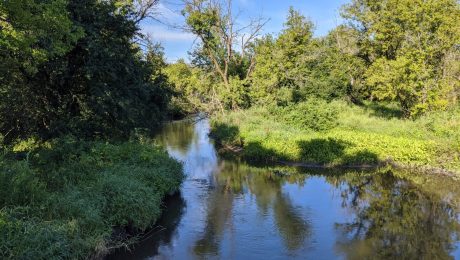
Environment and Water Ministry secretary-general Datuk Seri Zaini Ujang said that the cleaner rivers in the Klang Valley was due to less human interference such as industrial waste and construction works, which contributes to murkey grey waters and general pollution. Globally, countries have seen their waterways clear up and native animals return as human activity

The water of Half Moon Lake in Eau Claire, Wisconsin, will hopefully be clearer once the city’s parks, recreation, and forestry division is done harvesting the aquatic vegetation. Due to the significant amount of floating weeds throughout the lake, the city and the Wisconsin Department of Natural Resources are working together to solve the problem.
The sweet seep of autumn rain is bringing coho salmon back home to their natal streams all over the Puget Sound basin in Washington State— where too often they encounter a bitter truth: pollution in a shocking 40 percent of their home range so bad it can inflict a swift death. The culprit is stormwater,

West Coast beachcombers have treasured the rare sightings of Japanese glass floats; spherical buoys strung together to aid fishermen in managing their catch. It was once thought that these translucent orbs took nearly a decade to reach the U.S.–traveling up to 8,000 miles of open sea. But in 2011, 5 million tons of debris was
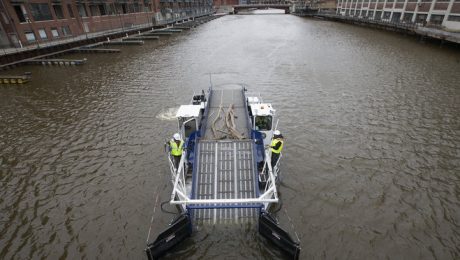
During the 20th century, Milwaukee, Wisconsin, became a hub of human activity and commerce. Toxic chemicals, discarded animal hides, meatpacking offal and other waste were dumped into the connected Milwaukee, Menomonee and Kinnickinnic rivers with abandon, not to mention municipal sewage. Now a coalition of government entities and advocates is launching an ambitious project to