
Explore the causes and effects of water contamination, including microplastics, chemicals, and stormwater runoff. Learn how to protect lakes, rivers, and freshwater resources.

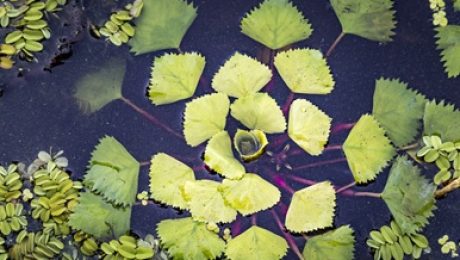
The Charles River Watershed Association and local citizens have obtained funding to conduct large-scale mechanical harvesting to remove roughly 50 acres of water chestnut and other invasive weeds. The Charles River Lakes District in Massachusetts is a popular destination for canoeists, kayakers and rowers, but the pollution from stormwater runoff resulted in an increase in

In its second year of operation at Black Hawk Lake in Iowa, the Aquatic Vegetation Harvester cut through some very dense underwater foliage this summer and removed an estimated 265 dump truck loads from the lake. The Aquatic Vegetation Harvester is part of the community’s lake project which is striving to increase Black Hawk Lake’s
DEAD seagrass will be removed from Budgewoi Lake and Lake Munmorah in the coming weeks as Wyong Shire Council’s weed harvester shifts into overdrive. Since August, a total of 730 tonnes of wrack was removed from the lake and taken to Buttonderry Waste Management Facility in Australia. Last year, the council removed 5800 cubic metres

Overwhelmed by decades of pollution, by the late 60’s, the Buffalo River’s condition was disgraceful. Both Lyndon Johnson and Robert Kennedy visited the New York river to inspect the carnage, and the death knell for this once proud waterway was sounding. Jill Jedlicka is Executive Director Of Buffalo Niagara Riverkeeper. The river hit rock bottom


Colorado Parks and Wildlife is investigating Johnstown officials after their attempt to treat an algae outbreak left nearly 1,000 fish dead. The Greeley Tribune reports that Parks and Wildlife spokeswoman Jennifer Churchill says a worker put a copper sulfate into the town’s reservoir this summer to treat the algae. She says chemical ended up suffocating

A group of military and government leaders has endorsed an initiative to protect the one million acres of salt marsh that stretches from North Carolina down to northeast Florida. Salt marshes are sinewy channels of coastal grasslands known for their ability to protect coasts from flooding and storm surge during heavy rain events and hurricanes.

Surrounded by some of the world’s richest soil and home to two major grain processing plants, Decatur has long been a hub for agribusiness in the United States. One major trade-off comes in the form of excess nutrients, specifically nitrogen and phosphorus, that runoff from fertilizers used on local farm fields and from discharges from

A national environmental organization labeled the Raccoon River one of the country’s most endangered because of toxic algae and nitrates. Des Moines Water Works called it a “catastrophe,” as the Raccoon is the major source for drinking water for a half-million Iowans. Des Moines Water Works, after dumping as much as $250,000 a year into

All the things that go down the drain and end up at the waste water treatment plant are not removed there. Some of the industrial byproducts that end up in sewers, the agricultural chemicals that runoff farmland, and pharmaceuticals that pass through our bodies all can end up in our streams and lakes. Water treatment