
Explore the causes and effects of water contamination, including microplastics, chemicals, and stormwater runoff. Learn how to protect lakes, rivers, and freshwater resources.


An extensive three-year research study of lakes in and around the Grand Portage Indian Reservation in Minnesota has found an abundance of pharmaceuticals, personal care products, hormones, pesticides, and other chemicals in water, lake bottoms and fish. What threat this poses for humans and wildlife will need to be studied further. But the presence of

Every spring, Dr. Carl Isaacson, a professor of environmental studies at Bemidji State University, sends his students out to collect perch from waters across Minnesota. Then, they study an egg yolk protein found in the perch’s’ livers, called vitellogenin, which may provide evidence of endocrine disruption in the state’s aquatic species. Over the past few
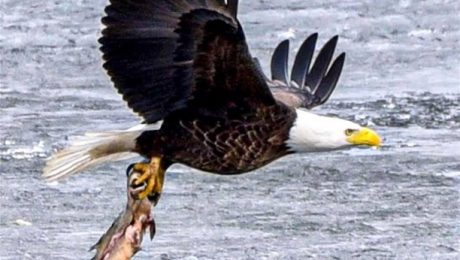
Decades ago several bird species in the Great Lakes—including the iconic bald eagle—faced an uncertain future because toxic chemicals were threatening their populations. While several bans and policies have offered some protection, the same chemicals threatening these birds 60 years ago continue to accumulate in their bodies—and new chemical threats are adding to their toxic

A new study maps the potential of wetlands – an ecosystem flooded with water and supporting a vegetation of aquatic plants – to improve water quality. Through the study, the researchers claim that regrowing wetlands can act as a key strategy for improving water that is laden with contaminants like nitrate. Nitrates reach groundwater, rivers,

Bow fishing, as opposed to an environmental fish kill, is behind the recent culling of hundreds of carp in Paddock Lake, Wisconsin. Flooding led to a rush of runoff into the lake, which, in turn, reduced oxygen levels. This can lead to a natural fish kill, and some carp perished as a result. However, village

Commercial fishermen and fish fertilizer suppliers are struggling to keep up with a demand for carp as people spend more time gardening and growing their own food during the pandemic. The impacts of carp include a reduction in water quality, riverbank damage, and potential contribution to algae blooms which comes at the expense of native
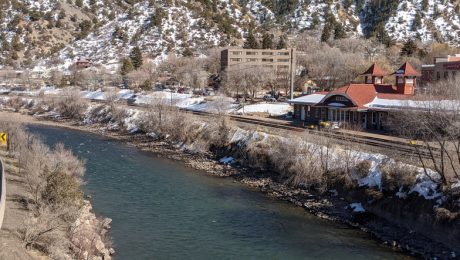
Water suppliers along the drought-stricken Colorado River hope to tackle another tricky issue after the U.S. Bureau of Reclamation installs a new leader: salty water. The river provides water for 40 million people from Colorado to California, and helps irrigate 5.5 million acres of farm and ranchland in the U.S. But all that water also

Marine ecosystems suffer from nutrient pollution, as most of our waste tends to get dumped in the sea. This kind of pollution can become very deadly, as high levels of nutrients foster algal blooms which destroy water quality and deplete its oxygen — in short, they kill everything else around them. New research at the

To clean up the pollution in Jordan Lake, North Carolina lawmakers have tried arguing. They’ve tried SolarBees. They’ve even tried ignoring the problem. All those tactics have failed. Now state officials are examining a potential chemical treatment for the lake — yet another experiment on a vital drinking water source for more than 350,000 people.
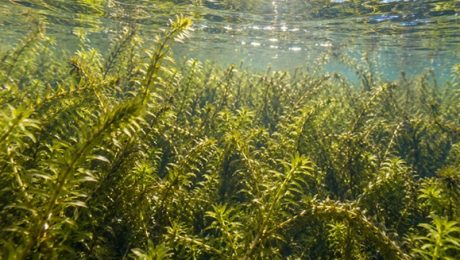
Elodea is a plant commonly found in aquariums that, if released in the wild, will dominate certain lake or river habitats, choking out native vegetation and altering the food web at all levels. It increases sedimentation rate, allowing more sediment to settle out of the water. And it can decrease the dissolved oxygen concentration in