(262) 392-2162 | info@aquarius-systems.com
  • Contact Us
  • Resources
  • Careers

Aquarius-Systems

  • Home
  • Equipment
    Weed Harvesters
    Aquatic Excavators
    Canal Cleaners
    Vegetation Shredders
    Trash Skimmers
    Transport Barges
    Trailers
    Offloading Conveyors
  • Service
    Parts & Service
    Equipment Manuals
    Safety Guide
  • About Us
  • Media
  • Latest
  • Quote

Glyphosate Ban Necessary Call for Lake Okeechobee

  • 0
/ Published in Algae & Harmful Algal Blooms, Aquatic Herbicides
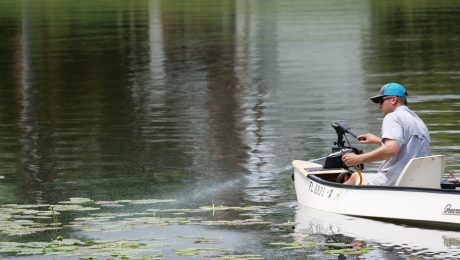
Applying aquatic herbicides to kill lake weeds.
While officials admit that glyphosate is only a small part of the problem with algae blooms on Lake Okeechobee in Florida, they do believe that their decision to temporarily suspend the use of aquatic plant killers was a “necessary call.” Glyphosate is widely used in Lake Okeechobee to kill invasive species and leaves deposits of
blue-green algae

Toxic Blue-Green Algae Kills More Than a Hundred Elk

  • 0
/ Published in Algae & Harmful Algal Blooms
Toxic Blue-Green Algae
A hunter stumbled upon a bizarre sight on a 75,000-acre ranch north of Las Vegas, N.M., on Aug. 27: the remains of more than 100 dead elk. Livestock deaths are not unusual, but so many animals dying off, and doing so in what seems to be under 24 hours, was puzzling to scientists Officials with
blue-green algaeneurotoxin poisoning

Zebra Mussels Can Increase Microcystis Harmful Algal Blooms

  • 0
/ Published in Algae & Harmful Algal Blooms, Aquatic Invasive Species
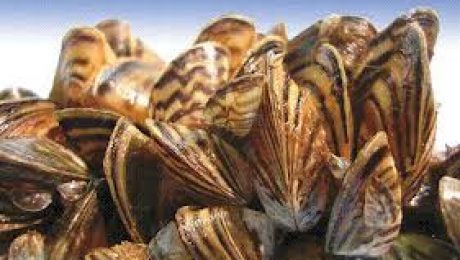
Invasive Zebra Mussels
While invasive zebra mussels consume small plant-like organisms called phytoplankton, Michigan State University researchers discovered during a long-term study that zebra mussels can actually increase Microcystis, a type of phytoplankton known as “blue-green algae” or cyanobacteria, that forms harmful floating blooms. Zebra mussels can filter out the Microcystis with other particles, but then they spit
blue-green algaecyanobacteriagreat lakesharmful algal bloomsinvasive speciesMicrocystisnutrient levelsphytoplanktonwater qualityzebra mussels

Weed Harvester Approved to Remove Macroalgae and Reduce Harmful Algal Blooms in Georgica Pond

  • 0
/ Published in Algae & Harmful Algal Blooms, Lake & Waterway Management
Thick mat of algae and weeds coming on board weed harvester
An aquatic weed harvester was used to remove macroalgae from Georgica Pond in New York from 2016 through 2018 and on a limited basis last year, an effort to inhibit harmful algal blooms, including toxic cyanobacteria, or blue-green algae. Approval has just been granted for the the mechanical harvester to be operated from June to
aquatic plant harvesterblue-green algaecyanobacteriageorgica pondharmful algal bloomsmacroalgaemechanical harvestingNew Yorknutrient removalphosphoruswater qualityweed harvesting

Aquatic Weed Harvesting Helps Reduce Toxic Algae in Georgica Pond

  • 0
/ Published in Algae & Harmful Algal Blooms, Blog
Aquatic Weed Harvester Helps to Restore Pond
Efforts to restore Georgica Pond are proving to be successful thanks in part to the help of an aquatic weed harvester. Georgica Pond has been invaded by toxic cyanobacteria, or blue-green algae, in recent years, which can cause serious health problems.  For the second consecutive year, the foundation has leased an aquatic weed harvester to
aquatic weed harvesterblue-green algaecyanobacteriageorgica pondharmful algal bloomslake managementnitrogen removalnutrient reductionphosphorus removalwater quality improvement

Blue-Green Algae Blooms and Their Impact on Lakes and Wildlife

  • 0
/ Published in Algae & Harmful Algal Blooms, Blog
Toxic Blue-Green Algae
Blue-green algae, technically known as cyanobacteria, are microscopic organisms that are naturally present in lakes and streams.  Typically present at low number, blue-green algae can quickly become abundant in warm, shallow, undisturbed surface water rich in nutrients like phosphorous and nitrogen. Some blue-green algae produce toxins that could pose a health risk to people and
algae toxinsblue-green algaecyanobacteriafish habitat lossharmful algal bloomslake algae bloomslake ecosystem healthnutrient pollutionphosphorous pollutionwater quality issues
TOP