(262) 392-2162 | info@aquarius-systems.com
  • Contact Us
  • Resources
  • Careers

Aquarius-Systems

  • Home
  • Equipment
    Weed Harvesters
    Aquatic Excavators
    Canal Cleaners
    Vegetation Shredders
    Trash Skimmers
    Transport Barges
    Trailers
    Offloading Conveyors
  • Service
    Parts & Service
    Equipment Manuals
    Safety Guide
  • About Us
  • Media
  • Latest
  • Quote

Weed Harvesting Helps Control Hybrid Watermilfoil in Lake Hallie

  • 0
/ Published in Aquatic Invasive Species, Aquatic Plant Management
Aquatic Invasive eurasian watermilfoil, is an aquatic plant that forms dense mats of vegetation on the water’s surface.
Lake Hallie Lake Association is making some headway in the war they’ve been waging against the hybrid watermilfoil weed. First discovered in Lake Hallie in 2005, watermilfoil is an invasive aquatic plant that has an aggressive tendency to form a thick mat-like layer as it floats on the water. If left unchecked, this plant can
aquatic invasive speciesaquatic plant harvesterboating accesshybrid milfoilinvasive aquatic plantslake healthlake managementmechanical harvestingnavigation lanessurface matsweed harvesting

Aquatic Weed Harvester Contracted to Remove Salvinia From Lakewood Community Lake

  • 0
/ Published in Aquatic Invasive Species, Aquatic Plant Management
Invasive Aquatic Weed Salvinia
An aquatic weed believed to be salvinia molesta, which grew only along the shoreline in January, has multiplied so fast it now covers the entire surface of the water at Lakewood residential community, Pemulwuy, Australia. The lake and its surrounds were home to an abundance of wildlife including ducks, pelicans and a pair of black
aquatic invasive speciesaquatic plant harvesterAustraliaducks and swansinvasive aquatic plantsmechanical harvestingsalviniasalvinia molestasurface matswarm water temperaturesweed harvestingwildlife habitat

Water Chestnut Spreads in New York and Harms Aquatic Ecosystems and Recreation

  • 0
/ Published in Aquatic Invasive Species
Invasive Water Chestnut forms dense mats that displace native species and interfere with recreational activities.
Trapa natans is native to Western Europe and Africa and northeast Asia, including eastern Russia, China, and southeast Asia to Indonesia. Trapa natans was first introduced to North America in the mid- to late-1870s, when it is known to have been introduced into the Cambridge botanical garden at Harvard University around 1877. A decade later
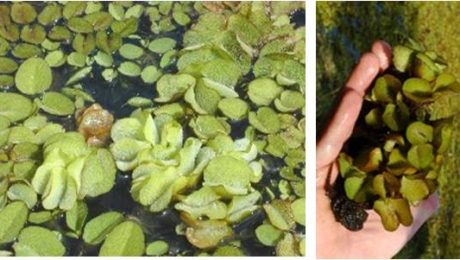
aquatic ecosystemsaquatic invasive speciesboating accessdissolved oxygenfish habitatHudson Riverinvasive aquatic plantsNew York lakesrecreation impactssurface matsTrapa natanswater chestnut

Giant Salvinia Returned to Barnett Reservoir After Chemical Treatment and Removal

  • 0
/ Published in Aquatic Herbicides, Aquatic Invasive Species
Aquatic Invasive Species Giant Salvinia
In July, the last known patches of Giant Salvinia, an invasive and aggressive aquatic plant at the Barnett Reservoir in Mississippi, were eliminated. The vegetation was treated with multiple chemicals and then removed, but after six months of Giant Salvinia being absent from the lake, the cleanup team discovered the unwelcomed guest. Apparently a stray
aquatic herbicidesaquatic invasive speciesbarnett reservoirchemical treatmentgiant salviniainvasive aquatic plantslake managementMississippirapid growthregrowthsalvinia molestasurface mats
TOP