

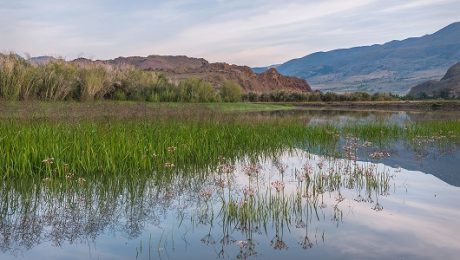
A study published in the September issue of BioScience, estimates that by 2050 , eighty-six species of fish may be extinct. That rate is 877 times higher than normal and has been accelerating in the past 20 years leading study author, Noel M. Burkhead of the U.S. Geological Survey to believe that “something’s up.” Many
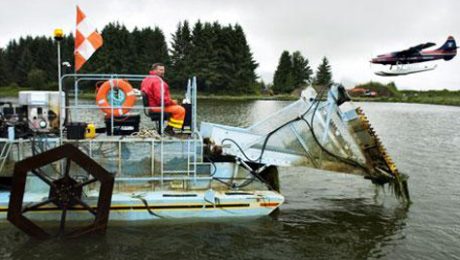
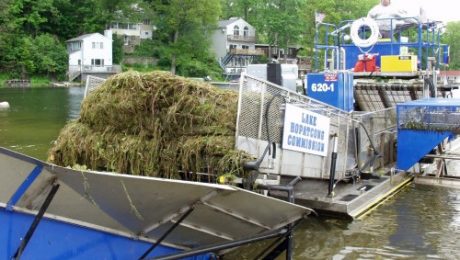

The highly invasive species, hydrilla has shown up on once again in Wallace Lake, Cleveland Ohio. Due to its ability to grow and spread rapidly aggressive control efforts to eradicate the aquatic plant before it becomes widespread are being taken. First discovered last summer, it was the first of its kind in northern Ohio. Aquatic
The 2016 Oregon Department of Fish and Wildlife annual electro shocking survey of fish populations in the upper Wild & Scenic section of the Crooked River revealed that, during the past year, the wild redband trout population suffered a catastrophic 86.4 percent reduction in numbers while the native mountain whitefish mortality was an alarming 45.3
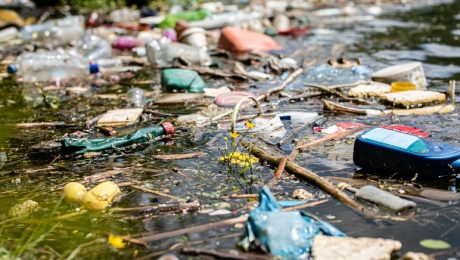
Plastic is the predominant type of manmade debris found in rivers and oceans today. Between 60 and 80% of all marine debris is comprised of petroleum based plastics. Despite the fact that plastic pollution is a relatively recent phenomena, the problem has reached the far corners of the global oceans. Most of the obvious plastic

Researchers who work in wetlands in Michigan are taking a new approach to invasive plants. They’re harvesting them for fertilizer and fuel. When you’re in the middle of the Shiawassee National Wildlife Refuge, you don’t realize how massive it is. It’s 10,000 acres of marshes and bogs, forest and farmland. To put the size in

Florida Fish and Wildlife Conservation Commission, the state’s lead agency for hydrilla control since July 1, 2008 faces a daunting challenge. Not only must the agency manage the spread of hydrilla it must maintain waterways for boating navigation and flood control, but it must also consider the wants of Florida residents. While everyone agrees that
The (American) Okanogan County Noxious Weed Control Board has applied to a national environmental agency to treat Eurasian water milfoil with an aquatic herbicide, much to the dismay of the (Canadian) Okanagan Basin Water Board. Osoyoos Lake is located in Osoyoos, British Columbia and Oroville, Washington; making it an international lake. The Boundary Waters Treaty
Treasure Coast governments spray more than 100,000 gallons of weed- and bug-killing poisons yearly at sites where the runoff can flow into waterways, but with minimal regulation, there main guideline is “follow the label instructions.” Agencies and manufactures insist the chemicals sprayed in marshes, canals and ditches are safe, but no one tests for residue