

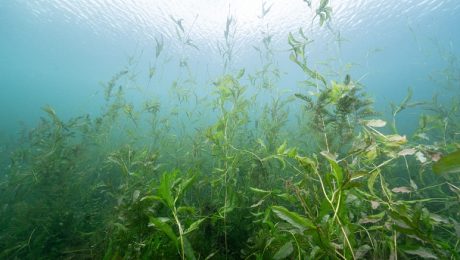
Warmer weather and water temperatures are spurring the growth of aquatic plants across Wisconsin and increasing calls from waterfront property owners for help in controlling the plants. State aquatic plant specialists encourage property owners to contact the Department of Natural Resources before taking steps to reduce or control the plants. The plants provide important fish
Posted on July 9, 2013 by Dan O’Keefe, Michigan State University Extension Aquatic ecologists tend to avoid the term “weeds” when referring to macrophytes – the rooted aquatic plants that many swimmers and boaters disdain. These plants provide food for waterfowl and habitat for fish, but they can also play a critical role in maintaining

The Florida Fish and Wildlife Conservation Commission, the state’s lead agency for hydrilla control since July 1, 2008, faces a daunting challenge. It not only manages the spread of non-native hydrilla by spraying herbicides to maintain waterways for boating navigation and flood control. It also must consider the wants of Florida residents while keeping the

When it comes to their role in aquatic ecosystems, exotic water plants are generally no different than indigenous species. In fact, they can be an asset. That doesn’t mean all exotic species should be given free rein. But they can be managed more effectively if you focus on their properties and not their place of

The squishy green stuff at the bottom of the lake isn’t algae. Those are weeds, and though people seem to hate the feeling of their feet touching them, those weeds might be necessary for the health of the lake. According to Greenwood County Lake Manager Julie Davis, Greenwood County Lake Management surveys and inspects the
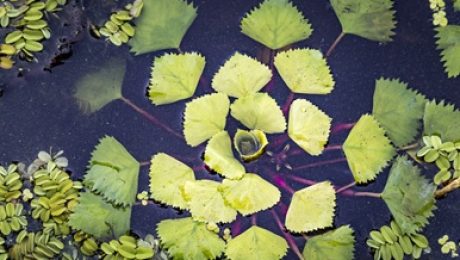
Water chestnuts are fast-growing invasive aquatic plants that choke waterways, damaging recreational opportunities and natural habitats. These plants displace native species, reduce biodiversity, hamper recreational uses and diminish the aesthetic value of bodies of water. They can negatively impact native vegetation and fish populations by forming large dense mats of vegetation on the water surface,
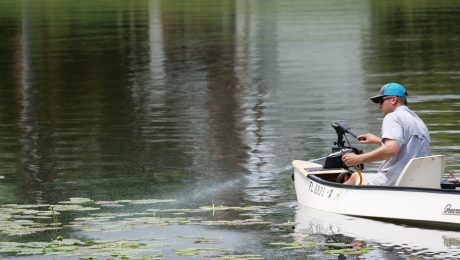
While officials admit that glyphosate is only a small part of the problem with algae blooms on Lake Okeechobee in Florida, they do believe that their decision to temporarily suspend the use of aquatic plant killers was a “necessary call.” Glyphosate is widely used in Lake Okeechobee to kill invasive species and leaves deposits of
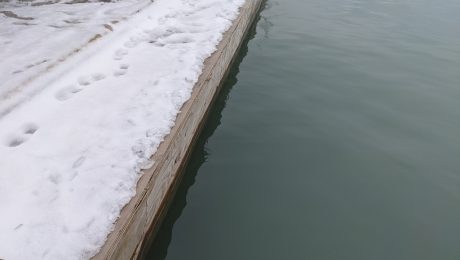
The Wharf is part of the great wall of the Chesapeake Bay. Development along the bay and its rivers, vast swaths of soft shorelines have been turned into stone and below the river’s surface, animals that depend on vegetation in the water may continue to struggle, marine scientists say. If the trend continues, numerous species

If you notice a decrease in the water level at Twin Lakes in Alaska — despite this week’s drizzly weather — it’s because the City and Borough of Juneau’s Parks and Recreation Department and the Alaska Department of Fish & Game are draining the lakes to control milfoil, an invasive aquatic weed. The lakes are