


The ongoing battle against aquatic weeds on Kenosha County’s inland lakes is getting tougher as one of the most invasive species is developing an herbicide-resistant strain, and ongoing drought changes the landscape of the lakes. Without artificial control methods, the lake weeds would make Camp Lake and Paddock Lake, among others difficult to navigate as

The winter phase of the milfoil control program on Osoyoos Lake in British Columbia, Canada, got underway last week as water temperatures continued to cool. Unlike during the summer, when a machine cuts and harvests the tops of the invasive weed, between October and April a rototiller is used to pull the plant up by
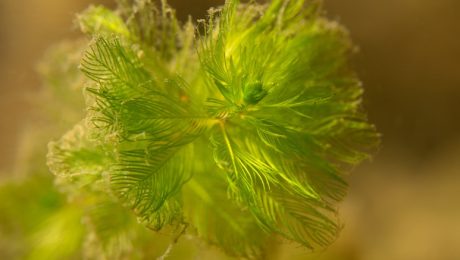
Since milfoil was first discovered in Lake George in 1985, roughly 200 locations where it is growing in the lake have been found. Officials have been able to manage the invasive Eurasian watermilfoil, which competes with and can displace native aquatic plants. Now, officials are hopeful that a three-year push to remove milfoil from Lake

Every summer, two Chelan County Public Utilities Division (Wenatchee, Washington) park maintenance workers use an Aquarius Systems weed harvester to cut and remove tons of Eurasian milfoil from parks and boat launches along the Columbia River. Without the PUD’s harvesting program, boat launches and swimming areas would be choked with weeds. The benefit from the
Plants that grow in and around water can have an impact on the long-term health of our area lakes. For this reason, the Minneapolis Park & Recreation Board completes aquatic plant surveys on Minneapolis lakes every two to three years. These surveys document the increase or decline in different species of aquatic plants. Eurasian watermilfoil
A new study from the University of Minnesota challenges a common belief that lakes with diverse plant life are more resilient to aquatic invaders. The study by the U’s Minnesota Aquatic Invasive Species Research Center looked at 13 years of vegetation survey data collected from about 1,100 lakes by the Department of Natural Resources. The
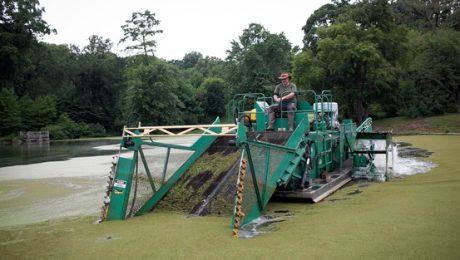
Martin Woess and his aquatic weed harvester dubbed the Lake Mess Monster has been busy clearing the waters of Prospect Park. Once a week Woess climbs aboard his weed harvester to collect the scum which consists mostly of duckweed and azolla which would quickly take over the pond if left unchecked. New York City owns two of
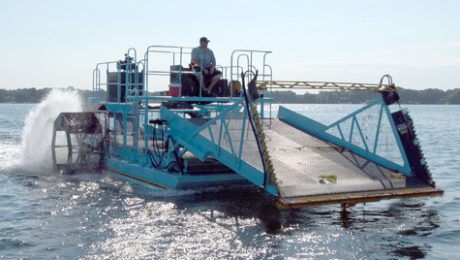
Lake Minnetonka is the 9th largest lake in Minnesota and of the most popular among boaters, fishermen and recreationalists. However, the popularity doesn’t come without environmental issues. Invasive species such as curly-leaf pondweed, purple loosestrife, Eurasian watermilfoil and zebra mussels have been discovered as well as dealing with various sources of pollution which has affected
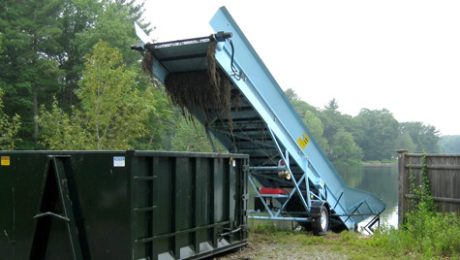
Morses Pond, located in Wellesley Massachusetts not only provides the town with water, but provides the town with an excellent public beach and other and recreational activities. Morses Pond was overrun with weeds, but today they are barely noticeable. Efforts from a Morses Pond Management Plan written in November 2005 and fully implemented two years
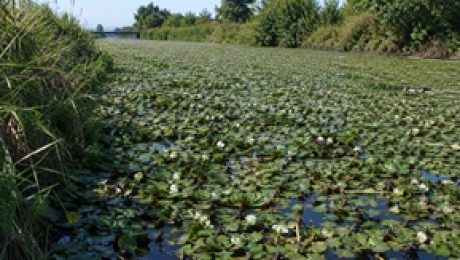
An explosion of water chestnut is starting to choke the Sudbury River in Massachusetts to the point it’s nearly impossible to take a boat out. The Sudbury River in Framingham is just one spot in MetroWest and the Milford area under attack by aquatic weeds – invasive plants that experts say are changing the landscape,