(262) 392-2162 | info@aquarius-systems.com
  • Contact Us
  • Resources
  • Careers

Aquarius-Systems

  • Home
  • Equipment
    Weed Harvesters
    Aquatic Excavators
    Canal Cleaners
    Vegetation Shredders
    Trash Skimmers
    Transport Barges
    Trailers
    Offloading Conveyors
  • Service
    Parts & Service
    Equipment Manuals
    Safety Guide
  • About Us
  • Media
  • Latest
  • Quote

Algae Virus Found in Humans Raises Questions About Brain Function

  • 0
/ Published in Algae & Harmful Algal Blooms, Blog
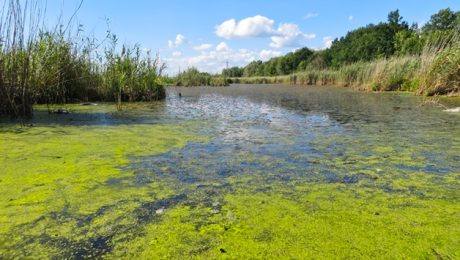
Toxic algae blooms pose a risk to humans and wildlife.
There are more microorganisms in and on a “person” than there are “human cells.” Along with a few pounds of bacteria — trillions of microbes — an even larger number of viruses live in and on the human body. Some of which change the way we think and feel, and even the way we interact
algaealgae bloomsATCV-1chloroviruscognitive healthenvironmental healthhuman microbiomeJohns Hopkinslake algaemicrobiologyviruseswater quality

Aquatic Weed Harvesters Are a Long-Term, Cost-Effective Solution

  • 0
/ Published in Aquatic Plant Management, Blog
Inland Lake Harvester with Seaplane
It is exhausting reading about lake after lake after lake becoming infested with an over abundance of aquatic vegetation.  This plant material not only negatively affects water quality, the health of the fishery, recreation, aesthetics, but it is financially devastating as well. It affects tourism; bait shops, marinas, hotels, restaurants.  It affects lake property owners;
aquatic plant controlaquatic vegetationaquatic weed harvestersinvasive aquatic plantslake communitieslake managementlake restorationmechanical harvestingrecreation impactswater quality

Why Mechanical Harvesting Is a Smarter Way to Manage Lake Weeds

  • 0
/ Published in Blog, Lake & Waterway Management
Harvesting aquatic milfoil and algae in Minnesota with HM-420 Harvester
Unlike using chemicals, or doing nothing at all, the advantages of harvesting include: – Immediate relief from nuisance plants that interfere with navigation and recreation – Immediate use of the water for swimming or irrigation – There is nothing foreign introduced to the environment when using mechanical control – Biomass is removed from the water
aquatic plant harvestingaquatic vegetationfish habitatinvasive plantslake managementlake weed controlmechanical harvestingnutrient removalsustainable lake managementwater quality

Great Barrier Reef Pollution Threatens Coral and Marine Life

  • 0
/ Published in Blog, Water Quality & Pollution
The Great Barrier Reef is the world's largest coral reef system.
The Great Barrier Reef located in the Coral Sea, off the coast of Queensland, Australia is the world’s largest coral reef system.  It covers an area of 133,000 square miles and is composed of 2,900 reefs and 900 islands. The reef supports a wide diversity of life including many endangered species, some of which are
agricultural runoffAustraliaclownfishcoral reefsendangered speciesgreat barrier reefmarine ecosystemsocean pollutionpesticide pollutionreef conservationwater quality

Wisconsin Phosphorus Rules Target Algae and Water Quality

  • 0
/ Published in Lake & Waterway Management, Water Quality & Pollution
Wisconsin Department of Natural Resources
In December, 2010 Wisconsin became the first state in the country to adopt phosphorus water quality standards for lakes, reservoirs, rivers, and streams.  The Environmental Protection Agency has approved Wisconsin’s revised rule as a revision to Wisconsin’s federally-approved National Pollutant Discharge Elimination System program under the Clean Water Act. Under the new rules DNR determines
algae bloomsblue-green algaeimpaired waterslake managementnutrient runoffphosphorus pollutionwater qualitywisconsin dnr
  • 17
  • 18
  • 19
TOP