(262) 392-2162 | info@aquarius-systems.com
  • Contact Us
  • Resources
  • Careers

Aquarius-Systems

  • Home
  • Equipment
    Weed Harvesters
    Aquatic Excavators
    Canal Cleaners
    Vegetation Shredders
    Trash Skimmers
    Transport Barges
    Trailers
    Offloading Conveyors
  • Service
    Parts & Service
    Equipment Manuals
    Safety Guide
  • About Us
  • Media
  • Latest
  • Quote

January 2026 Newsletter

  • 0
/ Published in Newsletter
Starting 2026 with Healthier Waterways A Message from Our Leader: Small, Consistent Changes can Improve Water Quality Better Choices for Cleaner Waterways How Lake Washington Improved Its Water Upcoming Conferences Midwest Aquatic Plant Management Society 46th Annual Conference Clean Rivers, Clean Lake 21st Annual Conference Illinois Lake Management Association Annual Conference Pennsylvania Lake Management Society
Conferencesenvironmental stewardshiplake managementwater qualitywatershed restoration

December 2025 Newsletter

  • 0
/ Published in Newsletter
Water, Wellness & Smarter Seasonal Giving A Message from Our Leader: Clean Water is a Gift A Greener Way to Give This Season The Hidden Cost of AI on Water Resources Could Your Lake View Be Adding Years to Your Life? Read More
Community Supportlake managementsustainabilityTechnology & Innovationwater quality

New Questions About ProcellaCOR and Eurasian Watermilfoil Management

  • 0
/ Published in Aquatic Herbicides, Blog
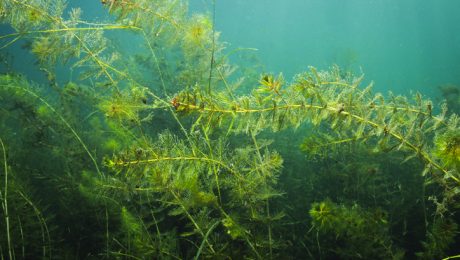
Invasive milfoil competes with and can displace native aquatic plants.
Eurasian watermilfoil is one of the most widespread and challenging aquatic invasive plants found in lakes and waterways across North America. This submerged aquatic plant grows rapidly, forming dense underwater stands and thick surface canopies that can interfere with boating, fishing, swimming, and other recreational activities. In many water bodies, invasive milfoil can also outcompete
aquatic vegetation controlaquatic weed harvestingeurasian watermilfoilinvasive aquatic plantslake managementlake restorationmechanical harvestingmilfoil managementprocellacorwater quality

Sturgeon Bay Harvesting Program Removes Nutrients and Keeps Navigation Open

  • 0
/ Published in Aquatic Plant Management, Case Studies
Door County aquatic plant managementEurasian watermilfoil curly-leaf pondweed controlfloating vegetation removal harborslake weed harvesting fertilizer reusemarina weed harvesting navigation channelsphosphorus removal aquatic plantsSturgeon Bay weed harvesting Wisconsin

Trash Hunter Cleaning up the Passaic River

  • 0
/ Published in Case Studies, Water Quality & Pollution
aquatic trash skimming workboatsNewark Bay debris removal projectPassaic River trash skimmer programstormwater debris management New JerseyTH-34 Trash Hunter river cleanupurban river floatables removal

Trash Skimmer Prevents Costly Closures at Nuclear Power Plant

  • 0
/ Published in Case Studies, Water Quality & Pollution
aquatic plant management hydropower facilitiesfloating vegetation removal workboatsindustrial water intake protection equipmentpower plant debris removal Trash HunterTVA aquatic vegetation intake cloggingWheeler Reservoir aquatic plant fragments

Kinnickinnic River Restoration Combines Harvesting and Debris Removal

  • 0
/ Published in Case Studies, Water Quality & Pollution
floating debris collection automated river cleanupKinnickinnic River TrashVeyor debris removal pilot MilwaukeeMilwaukee water quality improvement urban riversurban watershed stormwater trash interception BMP system

Decades of Data Shows Harvesters Markedly Reduce Weed Growth

  • 0
/ Published in Aquatic Plant Management, Case Studies
aquatic weed harvesting long term resultsCamp and Center Lakes Wisconsin managementeutrophic lake plant controlHM-420 weed harvester lakesinvasive aquatic species Wisconsin lakestransport barge offloading conveyor lakes

Aquatic Plants Keep Water Healthy

  • 0
/ Published in Blog
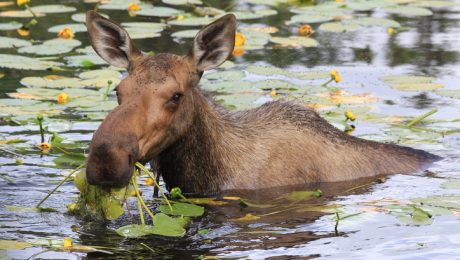
Moose standing in water eating aquatic plants.
Did you know some animals, like apes, use plants for healing? Humans have long observed these behaviors in the wild and adapted them into medicine. It is just one example of how connected plants, animals, and people really are. A healthy plant animal human chain can make the world a better, healthier place. But as
algaeaquarius systemsaquatic plantsaquatic vegetationecosystem healthlake managementmechanical harvestingnutrient runoffstormwaterwater quality

Glyphosate Study Retraction Raises Questions About Herbicide Safety

  • 0
/ Published in Aquatic Herbicides, Blog
Phosphorus is an essential nutrient for plant growth.
A recent article in The New York Times detailed the retraction of a once-prominent study that supported the safety of glyphosate, the active ingredient in Roundup. The paper had been cited for years as evidence that the herbicide posed minimal risk. But after concerns were raised about conflicts of interest and the integrity of the
aquatic herbicidesecosystem healthEnvironmental Policyenvironmental researchglyphosateherbicide safetyindependent reviewlake managementpesticide regulationroundupscientific transparencywater quality
  • 1
  • 2
  • 3
  • 4
TOP