


A recent article in The New York Times detailed the retraction of a once-prominent study that supported the safety of glyphosate, the active ingredient in Roundup. The paper had been cited for years as evidence that the herbicide posed minimal risk. But after concerns were raised about conflicts of interest and the integrity of the
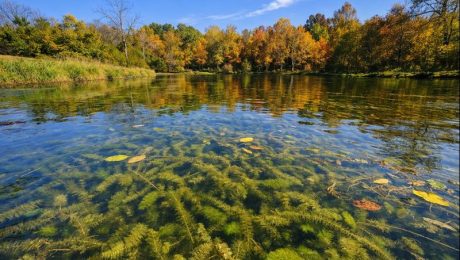
For over a decade, lakes across Northern Wisconsin have spent staggering sums of money attempting to control Eurasian water milfoil with herbicides. The Lower Eagle River Chain of Lakes Commission, formed in 2007 specifically to tackle this invasive species, is a case in point. Eurasian water milfoil grows aggressively, uprooting native vegetation, disrupting aquatic habitats,

Rotting lake weed and dead fish are causing a strong odor along Rotorua’s lakefront as a 70-tonne-per-day clean-up continues. Businesses report guests are complaining or staying away, highlighting the impact on the city’s reputation. The piles of weed surfaced two weeks ago after strong winds disturbed the lakebed. The Bay of Plenty Regional Council began
Hidden Helpers & Harmful Habits in Our Lakes A Message from Our Leader: Turning Over a New Leaf Are Misconceptions Making Our Lakes Sicker? Managing Hydrilla Without Harming the Lake Muskrats and Aquatic Habitat Balance Upcoming Conferences Florida Lake Management Society 36th Annual Technical Symposium Washington State Lake Protection Association 38th Annual Conference Oregon Lake
What’s Lurking Beneath Lakes and Reservoirs A Message from Our Leader: Nature Always Prevails Hidden Dangers Increase Drowning Risks in Reservoirs Invasive Species Demand Cooperation, Not Quick Fixes Balancing Ecology and Community Needs Upcoming Conferences Wisconsin Stormwater Week California Lake Management Society 39th Annual Conference Florida Lake Management Society 36th Annual Technical Symposium Washington State
Big Waves, Big Tech, and Bigger Water Concerns A Message from Our Leader: “More rum than fun!” A Wake-Up Call for Our Waters The Hidden Water Cost of AI Wake Surfing – All Eyes on Wisconsin Upcoming Conferences Florida Lake Management Society 36th Annual Technical Symposium California Lake Management Society 39th Annual Conference Read More

Imagine you’re on your favorite Wisconsin lake at dawn: the water glassy, fish nibbling, kayakers drifting past. Then a wake boat powered up to surf mode slowly glides through, generating a wave tall enough to surf—with cheers blaring and music booming. The wave crashes into your shoreline, rattling your canoe and stirring up sediment. Is