


Following a chemical treatment aimed at controlling aquatic vegetation in Port St. Lucie’s Elkhorn Canal, residents reported what they called the “worst smell in the entire world” as countless fish perished on the canal’s surface. Water tests revealed that dissolved oxygen levels plunged to levels unsustainable for aquatic life—an unintended but severe consequence of the
In June 2024, a chemical herbicide application in Florida’s Elkcam Waterway resulted in a catastrophic fish kill. Within 24 hours, residents reported fish gasping at the surface, and by the end of the week, thousands of dead fish had washed up along the banks. This devastating incident underscores the dangers of using chemicals to manage
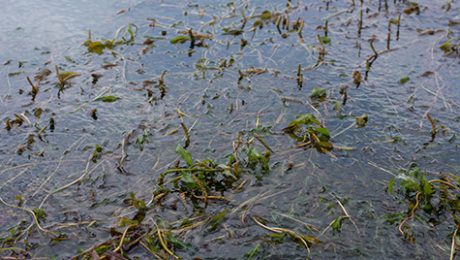
Hydrilla, a non-native aquatic plant, has been labeled one of the world’s most invasive species. While it can dominate shallow, warm waters in places like Florida, its threat in deep, cold lakes such as those in New York is far less clear. Nevertheless, aggressive chemical eradication campaigns have been launched across the state, including in

Water hyacinth is often seen as a serious problem in lakes and rivers around the world. The fast-growing invasive plant can clog waterways, block sunlight, reduce oxygen levels, and harm native wildlife. Managing large infestations is difficult and expensive, especially in tropical and subtropical regions where the plant spreads quickly. Now, researchers are exploring whether

At first glance, using herbicides to control aquatic weeds might seem like an efficient solution. But emerging science shows that these chemicals often come with serious unintended consequences for the environment. A recent report from Beyond Pesticides reveals that a new class of herbicides containing florpyrauxifen-benzyl (FPX) —designed to mimic natural hormones—may be threatening non-target

The article “The Most Vulnerable Fish Species in U.S. Rivers Today” highlights several fish species facing significant threats in American rivers due to factors such as habitat destruction, pollution, climate change, and invasive species. Key species discussed include: American Eel: Once abundant in eastern U.S. rivers, their populations have declined due to migration barriers like

Safety & Maintenance Seminar Friday, May 16, 2025 Registration Opens 8:00 a.m.; Seminar 8:30 – 3 p.m. Village of North Prairie Community Center Hall Safety Training; Chad Lese, Aquarius Systems Equipment Maintenance; Chad Lese, Aquarius Systems Aquatic Plant Identification; Arthur Watkinson, WI DNR WY-20-23 Update; Madi Johansen, WI DNR Case Study; Dakota Koepp, Lake Pewaukee

Lakes and wetlands across the United States are facing a big problem — the loss of important aquatic plants. One example is Lake Mattamuskeet in North Carolina, where underwater plants have almost disappeared. This loss is hurting the lake’s health and the many birds that depend on it. Aquatic plants are very important for keeping
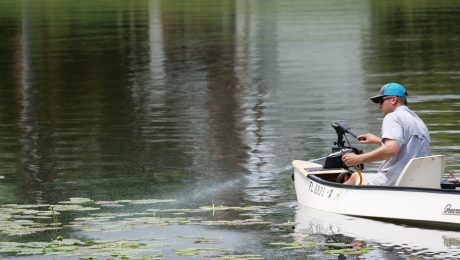
Water hyacinth, one of the most invasive aquatic plants, poses serious threats to waterbodies across India, including Pashan Lake in Pune and Powai Lake in Mumbai. As municipal authorities struggle to manage these infestations, the use of herbicides such as glyphosate is being considered as a cheaper and quicker solution. However, applying glyphosate to control