Blog

Clean water starts here - explore our Blog

Stay up to date with the latest news, insights, and updates from Aquarius Systems. Our blog covers waterway management, aquatic plant control, environmental challenges, equipment innovations, and stories from around the world that impact our lakes, rivers, and communities.
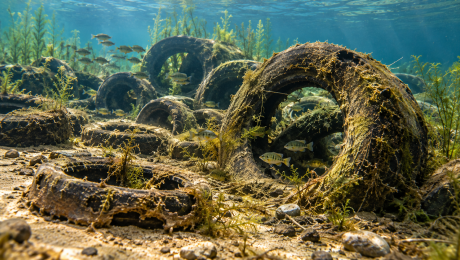
Tires used to create artificial reefs
Sometimes an idea makes perfect sense with the information available at the time. In 1994, researchers published the results of an experiment in concrete-lined canals in California and Arizona. Lining the canals helped conserve water, but it also eliminated habitat used by fish and other aquatic organisms. Their solution was innovative: build artificial habitat from
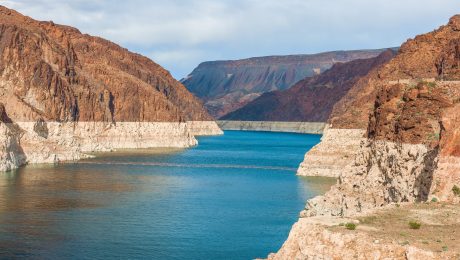
View of Lake Mead near Hoover Dam from the Arizona side.
Drought has become widespread across much of the United States this summer. By late July, about 48% of the Lower 48 was experiencing drought, affecting roughly 113 million people. Conditions have worsened across portions of the Northern Plains and Upper Midwest, while the Southwest continues to struggle with the effects of a drought that has
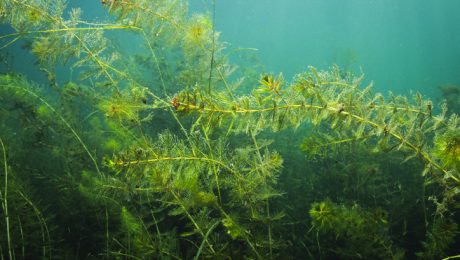
Aquatic Invasive eurasian watermilfoil, is an aquatic plant that forms dense mats of vegetation on the water’s surface.
Eurasian watermilfoil is one of the most widespread and challenging aquatic invasive plants found in lakes and waterways across North America. This submerged aquatic plant grows rapidly, forming dense underwater stands and thick surface canopies that can interfere with boating, fishing, swimming, and other recreational activities. In many water bodies, invasive milfoil can also outcompete
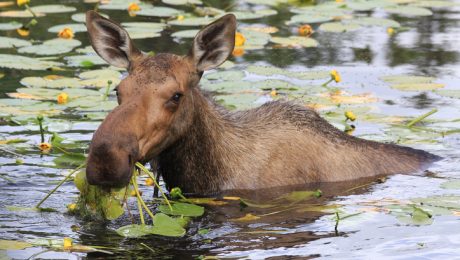
Moose standing in water eating aquatic plants.
Did you know some animals, like apes, use plants for healing? Humans have long observed these behaviors in the wild and adapted them into medicine. It is just one example of how connected plants, animals, and people really are. A healthy plant animal human chain can make the world a better, healthier place. But as
TOP