
Stay up to date with the latest news, insights, and updates from Aquarius Systems. Our blog covers waterway management, aquatic plant control, environmental challenges, equipment innovations, and stories from around the world that impact our lakes, rivers, and communities.


Phragmites, the 12 feet tall perennial grass that aggressively colonizes and forms dense stands in freshwater wetlands can be eradicated using herbicides, but it takes years of repetition. The glyphosate components in the herbicide stay in the ecosystem which can lead to loss of biodiversity, making them more vulnerable to pollution and climate change. An


Lots of Americans will celebrate the Fourth of July by illuminating the night sky with sparklers, smoke bombs, roman candles, ground spinners, and many other types of firecrackers. Fireworks get their splendor from a variety of chemicals, such as potassium chlorate, potassium perchlorate, potassium nitrate, sodium benzoate, sodium oxalate, ammonium perchlorate, strontium nitrate, strontium carbonate,

Industrial-scale beef production is impacting global climate, but scientists have found a way to make cattle-rearing more environmentally-friendly. Around 70% of methane emissions from agriculture is due to cows. Cows release methane, a by-product of their digestion, either through belches or farts. Researchers have discovered that by supplementing a cow’s diet with a type of

On paper, Vermont boasts one of the cleanest electric grids in the country. About 66% of the state’s electricity came from renewables in 2019. The state’s Renewable Energy Standard requires utilities to get to at least 75% renewables by 2032, including wind, solar, biomass and hydropower. But critics say the problem is that a huge
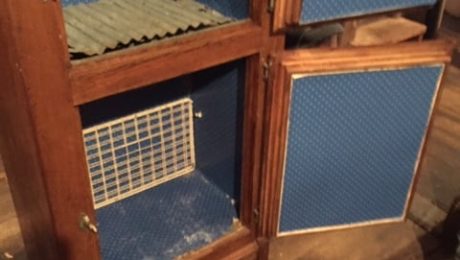
For decades before World War I, much of the ice used in iceboxes was harvested from Wisconsin Lakes. The ice was stored in icehouses until it was shipped via rail to Chicago and then across the nation, in particular the American Southwest such as Texas and Arizona. Small ice harvesting existed to meet demand locally,

Coffee is the world’s most widely consumed beverage; it is relished by individuals from all races, backgrounds, and social classes. Over 1 billion individuals in the world drink over 2.25 billion cups of coffee every day. Finland is the world’s largest coffee consumer; 12kg of coffee is consumed by an average Finn yearly while Brazil

In 1985, Muskegon Lake in Michigan was declared a Great Lakes Area of Concern by the EPA. The West Michigan Shoreline Regional Development Commission will utilize $3.1 million to clean up the lake and undo years of environment abuse. The abuse began in the 1800’s during the lumber era when sawmill debris was tossed into

Lanterns, like balloons, float and then eventually come down. After Valentine’s Day, a man collected over 30 love themed balloons in only a few hours off the coast of Laguna Beach. I believe there is already a lot of awareness to the problem with balloon releases and am shocked that they still allowed anywhere. They

300 pounds of road salt is applied per lane per mile. It sounds like a lot! That is the industry standard! Certainly less is applied if conditions require it, but it takes many factors to determine the correct treatment to keep roadways safe in the winter months. According to to Wisconsin Saltwise, an organization designed

When the road get snow covered and icy, road crews work extra hard to keep travelers safe. However, the extensive use of salt may be damaging lakes and streams. Researchers examined 371 lakes and found that 44% are at risk of salinization, meaning there is a build of salt in the water table. This excess