

In recent years Fox Lake in Wisconsin has responded to a decade of water quality management that has shifted the lake from being turbid with frequent algae blooms to a clearer water condition. This has fostered improved lake use, the return of aquatic plants and a more balanced fishery. One consequence of the water quality
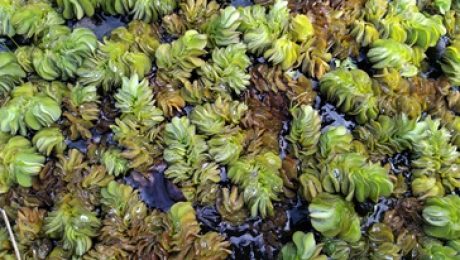
In July, the last known patches of Giant Salvinia, an invasive and aggressive aquatic plant at the Barnett Reservoir in Mississippi, were eliminated. The vegetation was treated with multiple chemicals and then removed, but after six months of Giant Salvinia being absent from the lake, the cleanup team discovered the unwelcomed guest. Apparently a stray

In order to stop the destruction of infrastructure by aquatic invasive species, USACE and its partners are using three methods of management: biological, mechanical, and chemical. Each process varies in its effectiveness depending on the species of aquatic plant being treated – leaving the team to rely heavily on data to determine the best method

The Massachusetts’s Department of Conservation and Recreation is aiming to reduce invasive plant species in Lake Whitehall in a plan that calls for herbicides and mechanical harvesting. The reservoir has extensive growth of “exotic nuisance aquatic vegetation,” including fanwort and variable-leaf milfoil, according to a report by ESS Group, a firmed hired by the state.