(262) 392-2162 | info@aquarius-systems.com
  • Contact Us
  • Resources
  • Careers

Aquarius-Systems

  • Home
  • Equipment
    Weed Harvesters
    Aquatic Excavators
    Canal Cleaners
    Vegetation Shredders
    Trash Skimmers
    Transport Barges
    Trailers
    Offloading Conveyors
  • Service
    Parts & Service
    Equipment Manuals
    Safety Guide
  • About Us
  • Media
  • Latest
  • Quote

Lake Iroquois Herbicide Debate Highlights Fish Habitat Concerns

  • 0
/ Published in Aquatic Herbicides, Aquatic Invasive Species
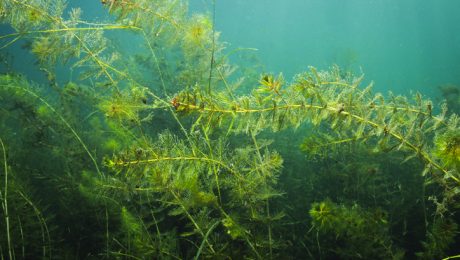
Aquatic Invasive eurasian watermilfoil, is an aquatic plant that forms dense mats of vegetation on the water’s surface.
An herbicide treatment of Lake Iroquois in Chittenden County, Vermont, isn’t likely to occur this year because the state received so many public comments that it will not have time to respond before the window has passed in which the first treatment must occur. Although representatives from the state say the herbicide won’t unduly harm
aquatic herbicideseurasian water milfoilfish habitatinvasive speciesLake Iroquoislake managementmilfoil habitatVermont lakes

Instead of Curbing Pollution State Lawmakers Consider Chemical Treatment

  • 0
/ Published in Aquatic Herbicides, Water Quality & Pollution
Blue-green algae
To clean up the pollution in Jordan Lake, North Carolina lawmakers have tried arguing. They’ve tried SolarBees. They’ve even tried ignoring the problem. All those tactics have failed. Now state officials are examining a potential chemical treatment for the lake — yet another experiment on a vital drinking water source for more than 350,000 people.
aquatic herbicideschemical treatmentdrinking waterlake healthwater pollutionwater quality

Lake Association Voices Opposition to Herbicide Use

  • 0
/ Published in Aquatic Herbicides, Lake & Waterway Management
Chemical Treatment of aquatic plants.
The Chautauqua Lake Association (CLA) says it has filed objections to a permit applications that would allow for the application of two powerful herbicides to 1,200 acres of Chautauqua Lake this coming summer. The CLA in New York is the organization that helps manage weeds on the lake by operating a number of harvesters to
aquatic herbicideschemical treatmentenvironmental impactfish habitatlake healthlake managementweed harvesting

Herbicide to Treat Elodea Kills Native Aquatic Vegetation

  • 0
/ Published in Aquatic Invasive Species, Water Quality & Pollution
Invasive elodea displaces native aquatic vegetation.
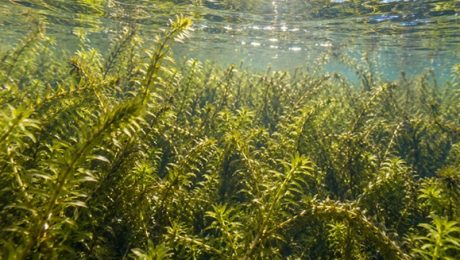
Elodea is a plant commonly found in aquariums that, if released in the wild, will dominate certain lake or river habitats, choking out native vegetation and altering the food web at all levels. It increases sedimentation rate, allowing more sediment to settle out of the water. And it can decrease the dissolved oxygen concentration in
aquatic herbicidesaquatic invasive speciesdissolved oxygenelodeafish habitatfluridoneinvasive aquatic plantslake managementsedimentationwaterfowl habitat

Lake Whitehall Plan Targets Invasive Weeds With Herbicides and Harvesting

  • 0
/ Published in Aquatic Herbicides, Aquatic Invasive Species
Harvesting Aquatic Vegetation on Inland Lakes
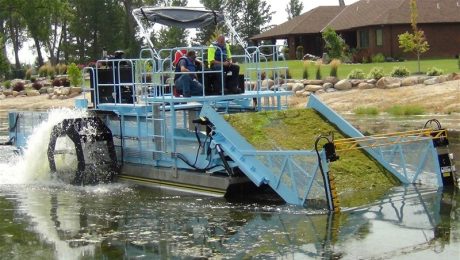
The Massachusetts Department of Conservation and Recreation is aiming to reduce invasive plant species in Lake Whitehall in a plan that calls for herbicides and mechanical harvesting. The reservoir has extensive growth of “exotic nuisance aquatic vegetation,” including fanwort and variable-leaf milfoil, according to a report by ESS Group, a firmed hired by the state.
algae bloomsalgaecideaquatic herbicidesaquatic invasive speciesbenthic barriersdiver harvestingfanwortinvasive aquatic plantslake managementMassachusettsmechanical harvestingvariable-leaf milfoilweed harvesting

Curly-Leaf Pondweed Control Plan May Include Harvesting and Herbicides

  • 0
/ Published in Aquatic Invasive Species, Lake & Waterway Management
Mechanical Lake Weed Harvester
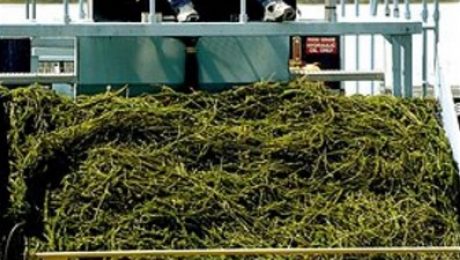
Fall has barely begun and the Lakes Area community is already preparing for next year’s battle against the invasive curlyleaf pondweed. The weed caused navigational issues on the lake this past season as it clogged boat motors and jammed dock lifts. The Iowa Department of Natural Resources, local government entities, area protective agency representatives and
aquatic herbicidesaquatic invasive speciesaquatic plant harvesterboating accesscurly leaf pondweedinvasive aquatic plantsIowa DNRlake managementmechanical harvestingphosphoruswater qualityweed harvesting

Aquatic Weed Harvester Reduces Chemical Use on Bakersfield Area Lakes

  • 0
/ Published in Aquatic Plant Management, Water Quality & Pollution
Unloading weeds into a trailer conveyor.
According to Don Richardson, Bakersfield Water superintendent, the big advantage of using an aquatic weed harvester is that they don’t have to use a lot of chemicals. “Using chemicals to kill weeds in lakes can be dangerous because the chemicals could seep into the groundwater. Also, one chemical treatment for a lake can cost about
aquatic herbicidesaquatic plant harvesteraquatic vegetationchemical reductiongroundwater protectionKern Riverlake managementmechanical harvestingstormwater basinsTruxtun Lakewater hyacinthweed harvesting

Starry Stonewort Control Uses Harvesting and Limited Herbicides in Missouri

  • 0
/ Published in Aquatic Invasive Species, Aquatic Plant Management
Weed Harvester Removing Hydrilla
Center Lake and Clearwater Lake Association are trying to combat the starry stonewort with and aquatic weed harvester this summer. In an effort to use fewer chemicals in this Missouri lake, a weed harvester will be used on most of the lake to cut and remove the starry stonewort and the algae. Aquatic herbicides will
algaeaquatic herbicidesaquatic invasive speciesaquatic plant harvesterchemical reductionintegrated managementinvasive aquatic plantslake managementmechanical harvestingMissouristarry stonewortweed harvesting

Study Finds Herbicides for Eurasian Milfoil Can Harm Native Aquatic Plants

  • 0
/ Published in Aquatic Herbicides, Aquatic Invasive Species
Spraying herbicides on aquatic plants.
Lake managers might be hurting native aquatic plants – instead of helping them – when they use chemicals to control invasive plants on entire lakes. New research by Wisconsin DNR Lakes and River Team Leader Dr. Alison Mikulyuk shows native plant communities can struggle when chemicals are used to target invasive Eurasian watermilfoil. It appears
aquatic herbicidesaquatic invasive specieschemical treatmenteurasian milfoilinvasive aquatic plantslake healthlake managementnative aquatic plantsvegetation managementwisconsin dnr

Activists Push to Ban Glyphosate for Water Hyacinth Control

  • 0
/ Published in Aquatic Herbicides, Water Quality & Pollution
Free-floating aquatic plant, water hyacinth.
Environmentalists and activists from the city on Pune, India have urged the Central Pollution Control Board and Maharashtra Pollution Control Board to ban the use of glyphosate for use on water hyacinth in water bodies due to its dangerous impact on human health and aquatic life. Glyphosate has been linked to probable carcinogenicity, endocrine disruption,
aquatic ecosystemsaquatic herbicidesenvironmental healthglyphosategroundwater contaminationherbicide banhuman health risksIndia water pollutioninvasive species controlwater hyacinth
  • 1
  • 2
  • 3
TOP