


Michigan anglers are fed up with the way some area lake associations have amped up their aquatic plant treatments in recent years. The annual dump of herbicides has destroyed a lot of fish habitat in recent years. It doesn’t matter whether you fish for panfish, bass, pike or walleye; excessive treatments have negative effects. Plants
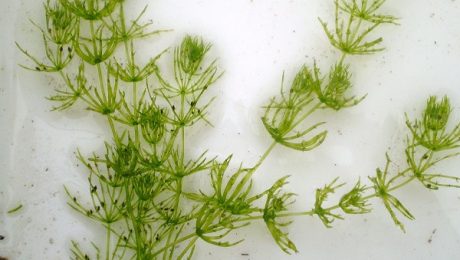
Whether you visited Renner Reservoir for the first or 10th time this summer, you probably noticed a branchy, aquatic algae called chara covering the bottom of the reservoir. Compared to other aquatic plants, which are referred to as macrophytes, chara forms denser mats offering less habitat for fish and a less palatable meal for invertebrates.

In August of 2018 starry stonewort, an aquatic invasive species was found in a lagoon of Geneva Lake and within a year it was found in Geneva Lake. Initially it was hoped that the isolated population in the lagoon could be eradicated by dredging before it got into the lake, but the attempts failed and

Algal blooms in Bednesti Lake, British Columbia, Canada, over recent years led researchers to look into how humans impact aquatic life. Overall what they found was a chain reaction, when a type of aquatic plant like a lily pad was removed, other plants disappeared too. Researchers analyzed 16 human-caused disturbances and 10 natural disturbances to

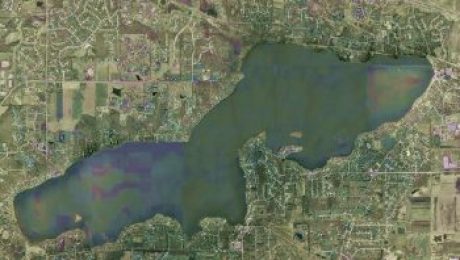
Pewaukee Lake is the largest of the ninety-one lakes located in Waukesha County, Wisconsin. It is a premier lake for Musky, Walleye, Northern Pike, and Largemouth bass. It supports a diverse plant community that is dominated by Eurasian watermilfoil. The Lake Pewaukee Sanitary District is in charge of lake management and its program consists of
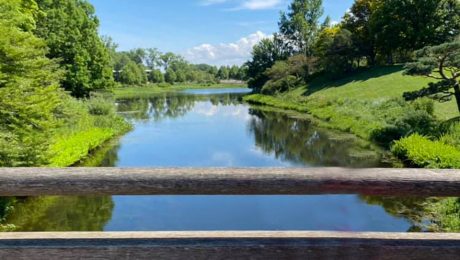
Common practice is to remove river plants to prevent the slowing of the water flow and to prevent flooding during high rainfall events, but according to one research scientist the vegetation can act as a natural buffer. She believes that the plant removal not only threatens the a naturally balanced water level but threatens a

Florida’s tropical waters are home to a great diversity of life, but perhaps the most endearing is the Manatee. The manatee is a grazing animal and spends between six and eight hours a day feeding on seagrasses and other freshwater vegetation. The manatee actually plays an important role in controlling the aquatic plant growth in
- 1
- 2