


In order to stop the destruction of infrastructure by aquatic invasive species, USACE and its partners are using three methods of management: biological, mechanical, and chemical. Each process varies in its effectiveness depending on the species of aquatic plant being treated – leaving the team to rely heavily on data to determine the best method

Algal blooms in Bednesti Lake, British Columbia, Canada, over recent years led researchers to look into how humans impact aquatic life. Overall what they found was a chain reaction, when a type of aquatic plant like a lily pad was removed, other plants disappeared too. Researchers analyzed 16 human-caused disturbances and 10 natural disturbances to

Around 83% of green turtles and 86% of loggerhead turtles found off the coast of Queensland were found to have plastics within them, a study from Deakin, James Cook and Murdoch universities found. Researchers examined the contents of the stomach, intestines, cloaca and bladder of stranded or captured turtles collected from the Indian Ocean off

Each year, the St. Albans Area Watershed Association uses mechanical harvesters to cut and remove tons of unwanted plant material out of St. Albans Bay. The harvesters scooped up almost 90,000 bushels of plants in 2020 alone. The aquatic weed harvesters are used for establishing things like navigation lanes and clearing out areas of varied

In the last few decades, the lake’s weedy, northern-most portion has clogged hulls and deterred boaters from entering the lake from the Oswegatchie River. Patches of weeds greet the water’s surface near every dock, and nearly invisible from a distance on a windy day, matted greenery creates a basin of weeds seven-feet-deep in some spots.
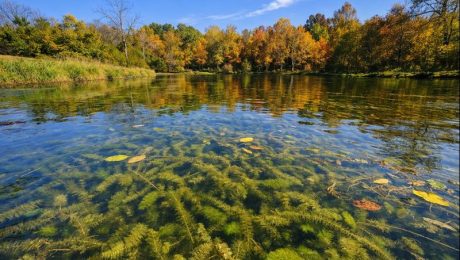
Some shoreline residents of Duck Lake, Michigan aren’t keen on the continued use of chemicals to treat invasive aquatic plants for fear of unintended consequences. Green Lake Township has for years collected a special assessment tax to pay for Eurasian watermilfoil treatments in Duck Lake, an effort to keep the species’s signature mats of floating


Two new Trash Hunters launched by DC Water this week will help scoop up floating trash and debris from the Anacostia River, making the waterways cleaner and more enjoyable. These boats a big investment by DC Water to reclaim our rivers. They will literally be pulling tons of trash out of the Anacostia and Potomac

Excessive and dense vegetation is a common fish management concern in Wisconsin Lakes. Although weed harvesting is typically focused on recreational improvements little consideration was given to the consequences on fishes. That is until a study was performed to determine how close-cut harvesting can be used as a whole-lake fish management program. A conventional weed
This adoption program requires just three days of personal, hands-on time annually and a commitment of no more than two years. Businesses and community groups are being asked to volunteer for a first-ever “adopt-a-river” program in Wisconsin and remove trash along the Milwaukee, Menomonee and Kinnickinnic rivers and their tributaries, Milwaukee Metropolitan Sewerage District Executive