(262) 392-2162 | info@aquarius-systems.com
  • Contact Us
  • Resources
  • Careers

Aquarius-Systems

  • Home
  • Equipment
    Weed Harvesters
    Aquatic Excavators
    Canal Cleaners
    Vegetation Shredders
    Trash Skimmers
    Transport Barges
    Trailers
    Offloading Conveyors
  • Service
    Parts & Service
    Equipment Manuals
    Safety Guide
  • About Us
  • Media
  • Latest
  • Quote

Salvinia Minima Spreads in South Africa After Water Hyacinth Control

  • 0
/ Published in Aquatic Invasive Species, Water Quality & Pollution
Invasive Aquatic Weed Salvinia
Hartbeespoort Dam in South Africa has a new invasive aquatic weed to battle, Salvinia minima. The proliferation of common salvinia, just as water hyacinth came under biological control through the combined efforts is no coincidence. In areas that experience high levels of nutrient inflow (pollution), the control of one aquatic weed opens resources to other
aquatic invasive speciesbiological controlcommon salviniaeutrophicationHartbeespoort Daminvasive aquatic plantslake managementnutrient pollutionsalvinia minimasecondary invasionSouth Africawater hyacinth

Rhode Island Beach Access Debate Highlights Rights to Walk Fish and Collect Seaweed

  • 0
/ Published in Lake & Waterway Management, Resources
Beachfront Property
The issue of beach access is ever present in Rhode Island, but has taken on renewed prominence in the last few years, due at least in some part to a man’s arrest in June 2019. He was collecting seaweed on the beach just east of Charlestown Town Beach. Beachfront property owners had hired a security
beach accesscoastal lawcoastal managementpublic shoreline rightsrecreation accessrhode islandseaweed collectionshoreline accessshoreline disputeswaterfront property

Curly-Leaf Pondweed Washes Ashore in Clear Lake as Its Seasonal Life Cycle Ends

  • 0
/ Published in Aquatic Invasive Species, Resources
urly-leaf pondweed is a rooted, submersed aquatic plant
In mid-June in Clear Lake, much of the curly-leaf pondweed had reached the end of its life cycle, and the weeds washing ashore are just a result of that.  Curly-leaf pondweed begins to grow during the fall at the bottom of bodies of water, like Clear Lake, with its life cycle coming to an end
aquatic invasive speciesaquatic vegetationclear lake iowacurly leaf pondweedinvasive aquatic plantslake healthmild winterplant life cycleseasonal die-offshoreline cleanupwarm winter

Donations Help Fund Weed Harvesting and Lake Maintenance at Public Boat Launches

  • 0
/ Published in Aquatic Plant Management, Lake & Waterway Management
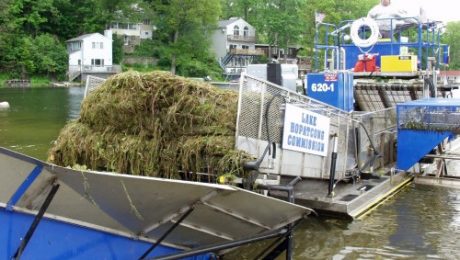
Mechanical Weed Harvester in Wisconsin
A public boat launch doesn’t necessarily make access to a lake free. There are costs involved in keeping the waters weed free, navigable for recreation and stocked with fish. McDill Inland Lake Protection and Rehabilitation District’s president Krista Olson asks people visiting any lake to utlize the donation boxes. Those donations are very important for
aquatic plant harvesterboating accesscommunity fundinglake districtlake maintenancelake managementmechanical harvestingnavigation lanespublic boat launchrecreation accessweed harvestingWisconsin

Benefits of Weed Harvesting for Water Quality and Nutrient Removal

  • 0
/ Published in Aquatic Plant Management, Resources
Lake Weed Harvester and Offloading Conveyor
Benefits of Weed Harvesting Dr. Stephen J. Souza Lake Hopatcong Commission Environmental Consultant One of the most obvious management activities of the Lake Hopatcong Commission is the weed harvesting program. Some may view this as a simple “mowing” of the Lake. However, much more is accomplished than simply opening boating lanes and improving swimming. The
algae controlaquatic plant harvesteraquatic vegetation removaleutrophicationlake hopatconglake managementmechanical harvestingnutrient removalphosphorussedimentationwater qualityweed harvesting

Overuse of Copper Sulfate Leads to Sterile Lakes

  • 0
/ Published in Algae & Harmful Algal Blooms, Lake & Waterway Management
Virginia Lake has Accumulated Silt in 35 Coves
Copper sulfate is an inorganic compound that combines sulfur with copper. It can kill bacteria, algae, roots, plants, snails, and fungi.  Many local farm stores keep the product on store shelves helping to make it the most used, and the most economical algae control available for ponds and lakes. Copper Sulfate is ineffective in the
copper sulfatecopper sulfate sediment

Study Finds Strategic Weed Harvesting Can Remove Phosphorus and Support Clear Lake Management

  • 0
/ Published in Lake & Waterway Management, Resources
Aquatic Plant Harvester Removing Weeds
Intensive in-lake and watershed management caused Kohlman Lake, the northernmost lake in the Phalen Chain of Lakes in Minnesota, to go from a relatively turbid to a clear water state. Aquatic plants responded to the clean waters by growing up to the surface. The change in lake state and a comprehensive water quality monitoring dataset
aquatic plant managementaquatic vegetationKohlman Lakelake managementmechanical harvestingMinnesotanutrient removalphosphorusrecreation accesstotal phosphoruswater qualitywatershed managementweed harvesting

Montana Boat and Seaplane Inspections Help Prevent Invasive Mussels From Spreading

  • 0
/ Published in Aquatic Invasive Species, Resources
Inland Lake Harvester with Seaplane
Keeping aquatic invasive species out of Montana bodies of water, specifically invasive mussels, is very important to protecting the native fish and plant species in the area. Researchers said cleaning, draining and drying boats is nearly 100% effective at keeping AIS out of Montana. That is why boat inspections are required in the state. Seaplanes
AIS trainingaquatic invasive speciesboat inspectionsclean drain dryfish habitatinvasive musselsinvasive species preventionlake managementMontanaseaplane inspectionswaterway protectionzebra mussels

Weed Harvester Approved to Remove Macroalgae and Reduce Harmful Algal Blooms in Georgica Pond

  • 0
/ Published in Algae & Harmful Algal Blooms, Lake & Waterway Management
Thick mat of algae and weeds coming on board weed harvester
An aquatic weed harvester was used to remove macroalgae from Georgica Pond in New York from 2016 through 2018 and on a limited basis last year, an effort to inhibit harmful algal blooms, including toxic cyanobacteria, or blue-green algae. Approval has just been granted for the the mechanical harvester to be operated from June to
aquatic plant harvesterblue-green algaecyanobacteriageorgica pondharmful algal bloomsmacroalgaemechanical harvestingNew Yorknutrient removalphosphoruswater qualityweed harvesting

USACE Uses GPS Tracking to Improve Transparency of Aquatic Herbicide Applications

  • 0
/ Published in Aquatic Herbicides, Lake & Waterway Management
Spraying herbicides on aquatic plants.
In order to stop the destruction of infrastructure by aquatic invasive species, USACE and its partners are using three methods of management: biological, mechanical, and chemical.   Each process varies in its effectiveness depending on the species of aquatic plant being treated – leaving the team to rely heavily on data to determine the best method
aquatic herbicidesaquatic invasive speciesbiological controlchemical treatmentcontractor oversightGPS trackingherbicide applicationinvasive aquatic plantslake managementmechanical harvestingspray trackingUSACEwater resources
  • 55
  • 56
  • 57
  • 58
  • 59
TOP