
Manage invasive and overgrown aquatic vegetation in lakes, rivers, and wetlands. Solutions include mechanical harvesting and safe plant control methods.

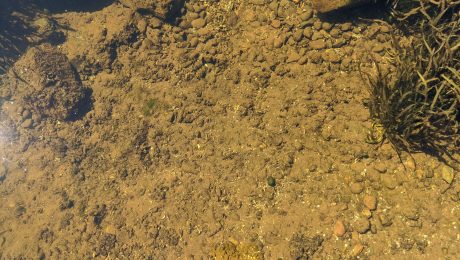
For 18 years, ecologist Robert Johnson has filed reports on Chautauqua Lake in dry, analytical language, logging the number and density of plant species in the shallow lake bed. Lakes are political, Johnson knew, and he didn’t want to squabble with local officials or residents over how they managed the plants. But late last summer,
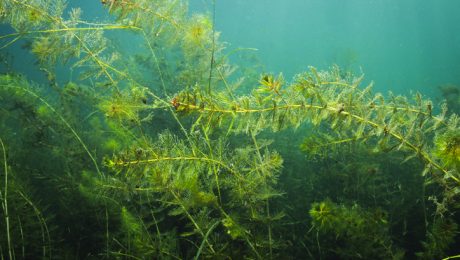
Okanagan Basin Water Board (Canada) built and operates three milfoil rototillers that have been in use for several decades. The machines were built for the sole purpose of chewing up the bottom of the lake and loosening up the roots of aquatic plants, especially Eurasian watermilfoil. The program started when the Eurasian Milfoil weed was
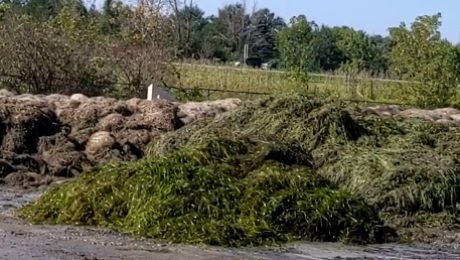
Oakland town councilors will be considering whether to become a test site for the Maine Department of Environmental Protection to research composting milfoil as an option for disposing of the fast spreading aquatic weed. The town and other municipalities in the Belgrade lakes region, along with area lake associations, have spent thousands of dollars eradicating
Pentwater Lake Improvement Board President Joe Primozich recently issued an update on changes going on in overall health of Pentwater Lake in Michigan. Primozich said according to Progressive AE, the Grand Rapids company that monitors the lake vegetation, the aquatic invasive water milfoil has now changed to the hybrid form. “This means that it has

Lake Pinehurst does not permit power boats making it an ideal lake to host cocktail cruises, sail, swim, and fish. Well, maybe not fish. This 200-acre manmade lake is owned by Pinehurst Resort in North Carolina; a premiere golf and recreation resort. Residents of the area and resort guests trolled for largemouth bass and other
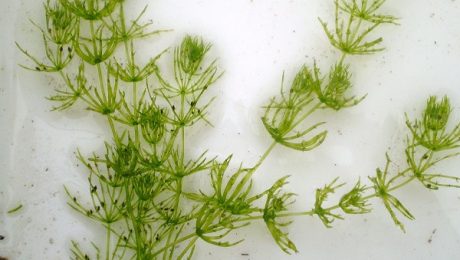
Whether you visited Renner Reservoir for the first or 10th time this summer, you probably noticed a branchy, aquatic algae called chara covering the bottom of the reservoir. Compared to other aquatic plants, which are referred to as macrophytes, chara forms denser mats offering less habitat for fish and a less palatable meal for invertebrates.
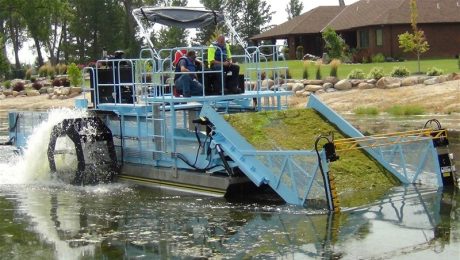
The Cazenovia Town Board’s first meeting of the new year — and with recently elected Councilor Jimmy Golub seated at the table — saw not only the making of annual organizational appointments for the town government, but also the announcement that the town is soliciting bids to potentially purchase a brand new lake weed harvester
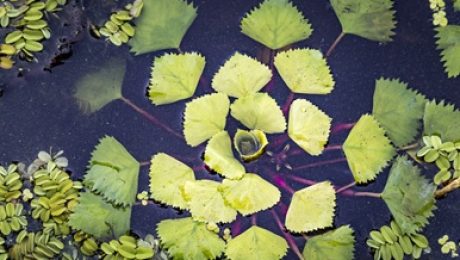
The Charles River Watershed Association and local citizens have obtained funding to conduct large-scale mechanical harvesting to remove roughly 50 acres of water chestnut and other invasive weeds. The Charles River Lakes District in Massachusetts is a popular destination for canoeists, kayakers and rowers, but the pollution from stormwater runoff resulted in an increase in

In its second year of operation at Black Hawk Lake in Iowa, the Aquatic Vegetation Harvester cut through some very dense underwater foliage this summer and removed an estimated 265 dump truck loads from the lake. The Aquatic Vegetation Harvester is part of the community’s lake project which is striving to increase Black Hawk Lake’s

Lake Hallie Lake Association is making some headway in the war they’ve been waging against the hybrid watermilfoil weed. First discovered in Lake Hallie in 2005, watermilfoil is an invasive aquatic plant that has an aggressive tendency to form a thick mat-like layer as it floats on the water. If left unchecked, this plant can