
Manage invasive and overgrown aquatic vegetation in lakes, rivers, and wetlands. Solutions include mechanical harvesting and safe plant control methods.


Lee County Hyacinth Control manages aquatic plants in our waterways using several different methods. The mechanical weed harvester is an eco-friendly method clears widespread vegetation so boats can navigate through our canals. Run off in Cape Coral canals comes from many places. It could be your street, your roof or your lawn. The recycled water

The past two months have been productive for the Chautauqua Lake Association in New York, and the work is just getting started. July is expected to be even more productive with the expansion to a third site to efficiently maintain Chautauqua Lake’s ecology. To date this season, the Lakewood and Long Point crews have removed
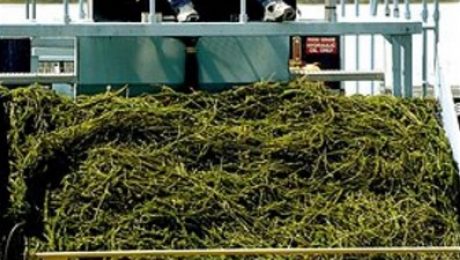
Spraying chemicals can be dangerous to the environment in many ways. But for Floridians, they can contribute to harmful algae blooms and damaging releases along the coast. There are other ways to remove invasive plant species that may not require chemical spraying. James Douglass, an environmental scientist at Florida Gulf Coast University says the other

Carraízo reservoir in Puerto Rico has fallen victim to two of the world’s most invasive aquatic plants: water lettuce and water hyacinth. Often found together, the invasive plants grow at exponential rates, obstruct waterways, clog hydropower plants, and prevent sunlight from penetrating the water’s surface, reducing water quality. The Aqueduct and Sewer Authority began its
In recent years Fox Lake in Wisconsin has responded to a decade of water quality management that has shifted the lake from being turbid with frequent algae blooms to a clearer water condition. This has fostered improved lake use, the return of aquatic plants and a more balanced fishery. One consequence of the water quality
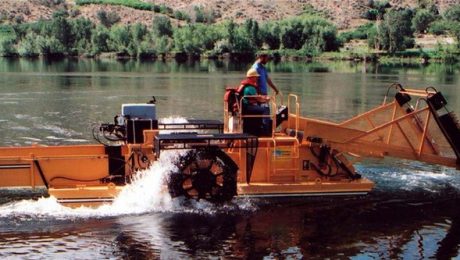
The Okanagan Basin Water Board milfoil program has been so successful over the past five decades. Aquatic weed harvesters used in significant areas with milfoil infestation on Okanagan Lake, British Columbia, Canada are now clear of the invasive plant. Meanwhile, the water board continues to work with the province and environmental consultants to expand existing

A public boat launch doesn’t necessarily make access to a lake free. There are costs involved in keeping the waters weed free, navigable for recreation and stocked with fish. McDill Inland Lake Protection and Rehabilitation District’s president Krista Olson asks people visiting any lake to utlize the donation boxes. Those donations are very important for
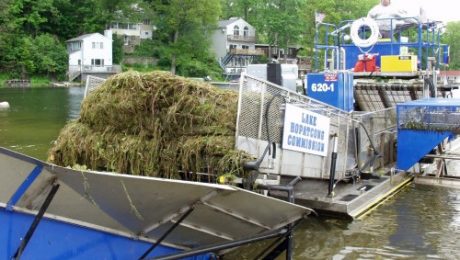
Benefits of Weed Harvesting Dr. Stephen J. Souza Lake Hopatcong Commission Environmental Consultant One of the most obvious management activities of the Lake Hopatcong Commission is the weed harvesting program. Some may view this as a simple “mowing” of the Lake. However, much more is accomplished than simply opening boating lanes and improving swimming. The

In the last few decades, the lake’s weedy, northern-most portion has clogged hulls and deterred boaters from entering the lake from the Oswegatchie River. Patches of weeds greet the water’s surface near every dock, and nearly invisible from a distance on a windy day, matted greenery creates a basin of weeds seven-feet-deep in some spots.
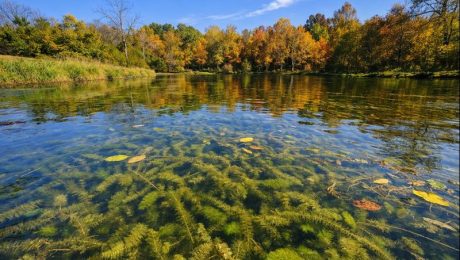
Some shoreline residents of Duck Lake, Michigan aren’t keen on the continued use of chemicals to treat invasive aquatic plants for fear of unintended consequences. Green Lake Township has for years collected a special assessment tax to pay for Eurasian watermilfoil treatments in Duck Lake, an effort to keep the species’s signature mats of floating