
Manage invasive and overgrown aquatic vegetation in lakes, rivers, and wetlands. Solutions include mechanical harvesting and safe plant control methods.


Excessive and dense vegetation is a common fish management concern in Wisconsin Lakes. Although weed harvesting is typically focused on recreational improvements little consideration was given to the consequences on fishes. That is until a study was performed to determine how close-cut harvesting can be used as a whole-lake fish management program. A conventional weed

Introduced aquatic weeds clog many of New Zealand’s waterways. It affects aquatic life and prohibits access and use for recreational users. Lakeweed Harvesters remove the aquatic plants mechanically, using a harvester mounted on a three metre by seven metre pontoon vessel. The operation works under strict standard operating procedures to ensure maximum weed is harvested

Floating weed harvesters have opened passages through Dane County Wisconsin’s dense tangles of underwater plants for about 50 years. The barges wield rotating cutting bars like those on farm combines to cut a submerged crop that is fertilized too well by runoff of nutrients like dairy manure. Each spring, the county launches a flotilla of


According to Nick Brown, DNR invasive species specialist, herbicides used to treat curly-leaf pondweed on Minnesota lakes may not lead to improvements in water quality. Curly-leaf pondweed is an invasive plant found throughout much of Minnesota. The plant grows slowly throughout the winter under the ice, but once the ice has left the lake the
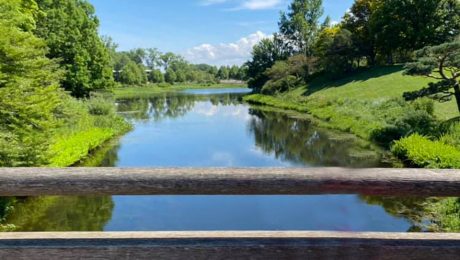
Common practice is to remove river plants to prevent the slowing of the water flow and to prevent flooding during high rainfall events, but according to one research scientist the vegetation can act as a natural buffer. She believes that the plant removal not only threatens the a naturally balanced water level but threatens a
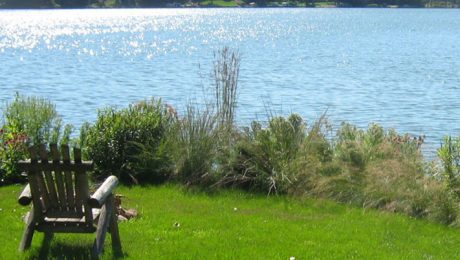
Probably the single most helpful thing we can all do to help keep surface waters clean is the addition of a native vegetative buffer along the lakeshore. Buffers help filter out and trap pollutants like fertilizers, herbicides and pet waste before they reach the water. In addition, the deep roots from native buffer plants help
Aquatic plants, whether invasive or native, can be described as either a mess or a resource. Natural plant growth covers 20 – 40% of the water and includes a diversity of plants. However, invasive plants such as Eurasian watermilfoil, hydrilla and water hyacinth quickly take over a lake covering 60% and sometimes 100% of the

For years it has been about getting rid of aquatic vegetation, but perhaps 2016 will be a year to focus on the restoration and the necessity of these plants to create a healthy fishery and the overall health of the ecosystem. Marsh Lake lies within the Lac qui Parle Wildlife Management area, which is managed
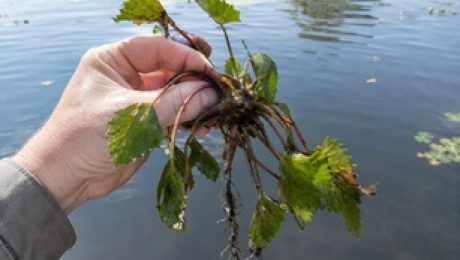
Heard Pond became so heavily infested that the beauty and recreational value of it were lost. Once flourishing with native water lilies Heard Pond had a reputation for great fishing and bird watching. All gone, due to the lack of open water, nearly completely covered with water chestnut. Water chestnuts are native to parts of Eurasia