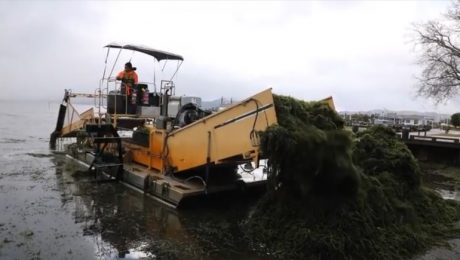
(262) 392-2162 | info@aquarius-systems.com
  • Contact Us
  • Resources
  • Careers

Aquarius-Systems

  • Home
  • Equipment
    Weed Harvesters
    Aquatic Excavators
    Canal Cleaners
    Vegetation Shredders
    Trash Skimmers
    Transport Barges
    Trailers
    Offloading Conveyors
  • Service
    Parts & Service
    Equipment Manuals
    Safety Guide
  • About Us
  • Media
  • Latest
  • Quote

What Is Aquatic Weed Harvesting and What Results Should You Expect

  • 0
/ Published in Aquatic Plant Management, Resources
Aquatic Plant Harvester Removing Weeds
What is Harvesting? Operational Considerations for your lake. Expected Results from a Weed Harvesting Program. Most aquatic plant harvesting systems will cut and remove submersed plants to a depth of five or six feet. As this biomass is removed from the lake, the water is immediately ready for use and there are no restrictions on
aquatic plant harvesteraquatic plant managementharvesting programlake healthlake managementmechanical harvestingnitrogennuisance vegetationnutrient removalphosphorussedimentationweed harvesting

Wisconsin TV Feature Highlights Aquarius Systems Weed Harvesters Made in Wisconsin

  • 0
/ Published in Company News, Lake & Waterway Management
Lake Weed Harvesters
WISN met with our team at Aquarius Systems as well as visiting the Lake Beulah Management District to see these amazing machines that are “Made in Wisconsin”. According to Jane Dauffenbach, President of Aquarius Systems, at the factory in North Prairie they make metal float. The raw material comes in and the talented staff bend
aquarius systemsaquatic plant harvesterboating accessfish habitatfishing accessLake Beulahlake management districtlake recreationmade in wisconsinmechanical harvestersmechanical harvestingweed harvestingWisconsin manufacturing

Climate Impacts Starry Stonewort Spread in Minnesota Lakes

  • 0
/ Published in Aquatic Invasive Species, Lake & Waterway Management
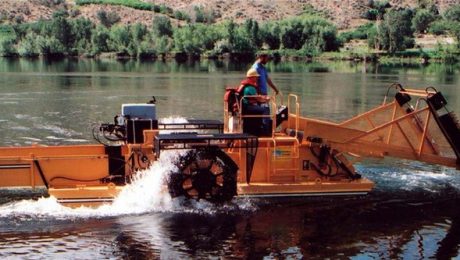
Invasive algae starry stonewort
Starry stonewort was first discovered in Minnesota waters in Lake Koronis in 2015. It’s now found in 19 Minnesota waterbodies. Lake Koronis is helping researchers understand how a changing climate may influence this invasive and how we can better manage it. Overall, the research showed year-to-year variability in the total biomass of starry stonewort. There
AIS managementaquatic vegetationclimate changeherbicide treatmentinvasive speciesLake Koronislake managementmechanical harvestingMinnesota lakesstarry stonewort

Missouri City Approves Weed Harvesting to Control Curly-Leaf Pondweed in Forest Lake

  • 0
/ Published in Aquatic Invasive Species, Lake & Waterway Management
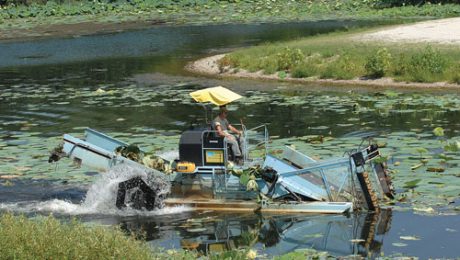
Mechanical Weed Harvester
Kirksville City Council members voted to approve a resolution to allow weed harvest operations at Forest Lake in Thousand Hills State Park, Missouri, as the invasive curly leaf pond weed is not only negatively affecting recreation activities, but also impacts water quality and the drinking water treatment process. In 2018, the city entered into a
aquatic invasive speciesaquatic plant harvestercurly leaf pondweeddrinking waterinvasive aquatic plantslake managementmechanical harvestingMissourirecreation impactswater qualityweed harvestingweed mats

Bad Year for Weeds in Minnesota Lakes

  • 0
/ Published in News
EH-220 Aquatic Weed Harvester
If you drove past Elk Lake in Hoffman, Minnesota this past summer, you may have seen an unusual sight: A mechanical harvester out on the water cutting and removing aquatic vegetation. This is the first time the city has hired a mechanical harvester, but they were dealing with a bumper crop of lakes weeds.  A
aquatic weed harvesterlake weedsmechanical harvesting

Mechanical Harvesting Clears Nutrient-Fueled Canal Growth

  • 0
/ Published in Aquatic Plant Management, Water Quality & Pollution
Water hyacinth harvester
Lee County Hyacinth Control manages aquatic plants in our waterways using several different methods. The mechanical weed harvester is an eco-friendly method clears widespread vegetation so boats can navigate through our canals. Run off in Cape Coral canals comes from many places. It could be your street, your roof or your lawn. The recycled water
algae bloomsaquatic vegetationaquatic weed controlCape Coral canalsLee County Floridamechanical harvestingnitrogen runoffnutrient runoffphosphorus pollutionwater quality

Chautauqua Lake Crews Remove 3 Million Pounds of Vegetation With Harvesters

  • 0
/ Published in Aquatic Plant Management, Lake & Waterway Management
Aquarius Systems HM-620 Aquatic Plant Harvester
The past two months have been productive for the Chautauqua Lake Association in New York, and the work is just getting started. July is expected to be even more productive with the expansion to a third site to efficiently maintain Chautauqua Lake’s ecology. To date this season, the Lakewood and Long Point crews have removed
aquatic plant harvesteraquatic vegetation removalChautauqua Lakefloating debrislake managementlake monitoringmechanical harvestingNew Yorkpost-storm cleanupshoreline cleanupstorm cleanupweed harvesting

Kitsap Lake Uses Phoslock and Weed Harvesting to Reduce Algae Blooms

  • 0
/ Published in Algae & Harmful Algal Blooms, Water Quality & Pollution
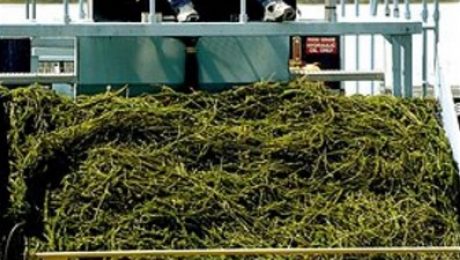
HM-420 Harvester Cutting Hydrilla
It’s a familiar sight to residents living on the shores of Kitsap Lake in Washington: each summer, around the beginning of June, a bright green algae begins to creep across the water. These blooms can be harmful to people and pets and have forced closures of Kitsap Lake and its beaches every year for the
Algae bloomaquatic plant harvesteraquatic vegetationharmful algal bloomsKitsap Lakelake managementlawn fertilizermechanical harvestingnutrient removalPhoslockphosphorussedimentationstormwater runoffwater quality

Florida Scientist Says Mechanical Weed Removal Beats Chemical Spraying for Lake Health

  • 0
/ Published in Aquatic Plant Management, Water Quality & Pollution
Weed Harvester Removing Hydrilla
Spraying chemicals can be dangerous to the environment in many ways. But for Floridians, they can contribute to harmful algae blooms and damaging releases along the coast. There are other ways to remove invasive plant species that may not require chemical spraying. James Douglass, an environmental scientist at Florida Gulf Coast University says the other
aquatic herbicidesaquatic plant harvesterchemical sprayingfertilizer reuseFloridaharmful algal bloomsinvasive aquatic plantslake managementmechanical harvestingnutrient removalwater qualityweed harvesting

Puerto Rico Uses Weed Harvesters to Remove Water Hyacinth and Water Lettuce From Carraízo Reservoir

  • 0
/ Published in Aquatic Invasive Species, Aquatic Plant Management
Aquatic Weed Harvester
Carraízo reservoir in Puerto Rico has fallen victim to two of the world’s most invasive aquatic plants: water lettuce and water hyacinth. Often found together, the invasive plants grow at exponential rates, obstruct waterways, clog hydropower plants, and prevent sunlight from penetrating the water’s surface, reducing water quality. The Aqueduct and Sewer Authority began its
aquatic invasive speciesaquatic plant harvesterCarraízo reservoircompostinghydropowerinvasive aquatic plantsmechanical harvestingPuerto Ricovegetation disposalwater hyacinthwater lettucewater qualityweed harvesting
  • 4
  • 5
  • 6
  • 7
  • 8
TOP