

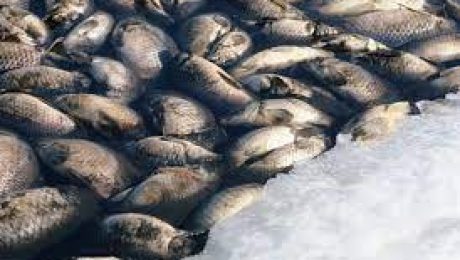
Winterkill occurs when fish suffocate due to a lack of dissolved oxygen in the water and is the most common type of fish kill. Dissolved oxygen is required by fish and almost all other forms of life living in water bodies. Even bacteria living on lake bottoms require dissolved oxygen to survive. Low oxygen levels

Lake Pinehurst does not permit power boats making it an ideal lake to host cocktail cruises, sail, swim, and fish. Well, maybe not fish. This 200-acre manmade lake is owned by Pinehurst Resort in North Carolina; a premiere golf and recreation resort. Residents of the area and resort guests trolled for largemouth bass and other

In its second year of operation at Black Hawk Lake in Iowa, the Aquatic Vegetation Harvester cut through some very dense underwater foliage this summer and removed an estimated 265 dump truck loads from the lake. The Aquatic Vegetation Harvester is part of the community’s lake project which is striving to increase Black Hawk Lake’s

Overwhelmed by decades of pollution, by the late 60’s, the Buffalo River’s condition was disgraceful. Both Lyndon Johnson and Robert Kennedy visited the New York river to inspect the carnage, and the death knell for this once proud waterway was sounding. Jill Jedlicka is Executive Director Of Buffalo Niagara Riverkeeper. The river hit rock bottom
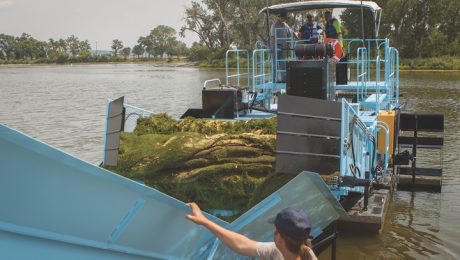
Carter Lake is an old oxbow lake of the Missouri River and is now an urban lake shared by two different cities (Omaha, Nebraska and Carter Lake, Iowa), in two counties (Douglas and Pottawattamie) and two states (Nebraska and Iowa). A vital part of the area’s watershed, Carter Lake is a natural catch basin for

The summer heat came early to the Tennessee Valley, upping the pressure for Dr. Brett Hartis, Tennessee Valley Authority aquatic plant management specialist, to get his job just right. He is charged with the task of monitoring and managing nuisance aquatic plants in the Tennessee River system. Over the roar of the airboat Hartis can

According to Don Richardson, Bakersfield Water superintendent, the big advantage of using an aquatic weed harvester is that they don’t have to use a lot of chemicals. “Using chemicals to kill weeds in lakes can be dangerous because the chemicals could seep into the groundwater. Also, one chemical treatment for a lake can cost about

With this drought season being a rough one, the Columbia Irrigation District tried their best to do everything they could to make sure they can get all their customers the water they need. A lot of weeds are clogging up the Yakima River preventing it from flowing into a canal near the Wanawish Dam. The

The Harvesters (weed cutters) are Yellow. They are cutting on Mondays, Tuesdays, Wednesdays and Thursdays. Typically “as a rule of thumb” the harvesters do not cut on Fridays. The Shore Barges (weed pick up – floaters and shorelines) are Orange. They are out every weekday, weather permitting, picking up floating weeds and weeds along the
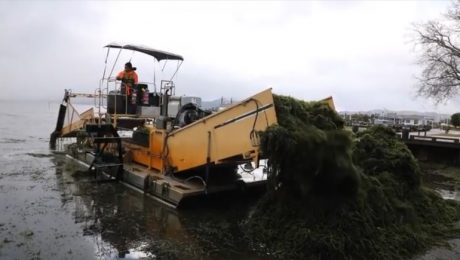
An aquatic harvester has been working at the Rotorua Lakefront in New Zealand, removing mammoth amounts of lake weed from the shore. The large influx washed up around Sulphur Point and Ohinemutu after strong winds and heavy rain battered the region. An influx like this was not uncommon as storm conditions could break off weed