


All the things that go down the drain and end up at the waste water treatment plant are not removed there. Some of the industrial byproducts that end up in sewers, the agricultural chemicals that runoff farmland, and pharmaceuticals that pass through our bodies all can end up in our streams and lakes. Water treatment
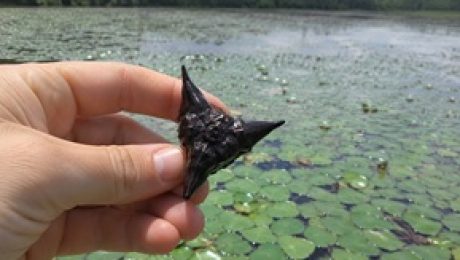
Trapa natans is native to Western Europe and Africa and northeast Asia, including eastern Russia, China, and southeast Asia to Indonesia. Trapa natans was first introduced to North America in the mid- to late-1870s, when it is known to have been introduced into the Cambridge botanical garden at Harvard University around 1877. A decade later

What is Harvesting? Operational Considerations for your lake. Expected Results from a Weed Harvesting Program. Most aquatic plant harvesting systems will cut and remove submersed plants to a depth of five or six feet. As this biomass is removed from the lake, the water is immediately ready for use and there are no restrictions on

It goes without saying that naval officers are interested in water. But officers from around the world got a brand-new view of water issues and solutions during a visit to the Global Water Center in Milwaukee. The visit was part of the Naval Staff College professional development program at the U.S. Naval War College in

WISN met with our team at Aquarius Systems as well as visiting the Lake Beulah Management District to see these amazing machines that are “Made in Wisconsin”. According to Jane Dauffenbach, President of Aquarius Systems, at the factory in North Prairie they make metal float. The raw material comes in and the talented staff bend

The Environmental Protection Agency has determined that the endocrine-disrupting pesticide atrazine and cancer-linked pesticide glyphosate are each likely to harm more than 1,000 of the nation’s most endangered plants and animals. These chemical poisons are causing severe harm to imperiled wildlife since U.S. use exceeds 70 million pounds of atrazine and 300 million pounds of

Starry stonewort was first discovered in Minnesota waters in Lake Koronis in 2015. It’s now found in 19 Minnesota waterbodies. Lake Koronis is helping researchers understand how a changing climate may influence this invasive and how we can better manage it. Overall, the research showed year-to-year variability in the total biomass of starry stonewort. There

Lake managers might be hurting native aquatic plants – instead of helping them – when they use chemicals to control invasive plants on entire lakes. New research by Wisconsin DNR Lakes and River Team Leader Dr. Alison Mikulyuk shows native plant communities can struggle when chemicals are used to target invasive Eurasian watermilfoil. It appears
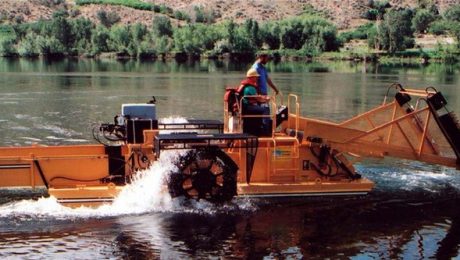
Kirksville City Council members voted to approve a resolution to allow weed harvest operations at Forest Lake in Thousand Hills State Park, Missouri, as the invasive curly leaf pond weed is not only negatively affecting recreation activities, but also impacts water quality and the drinking water treatment process. In 2018, the city entered into a

In the past 100 years, the planet has warmed in the range of 10 times faster than it did on average over the past 5,000. In response, thousands of species are traveling poleward, climbing to higher elevations, and diving deeper into the seas, seeking their preferred environmental conditions. This great migration is challenging traditional ideas