(262) 392-2162 | info@aquarius-systems.com
  • Contact Us
  • Resources
  • Careers

Aquarius-Systems

  • Home
  • Equipment
    Weed Harvesters
    Aquatic Excavators
    Canal Cleaners
    Vegetation Shredders
    Trash Skimmers
    Transport Barges
    Trailers
    Offloading Conveyors
  • Service
    Parts & Service
    Equipment Manuals
    Safety Guide
  • About Us
  • Media
  • Latest
  • Quote

Weed Harvester Restores Water Flow in Yakima River Canal During Drought

  • 0
/ Published in Aquatic Plant Management, Lake & Waterway Management
Mechanical Weed Harvester in Wisconsin
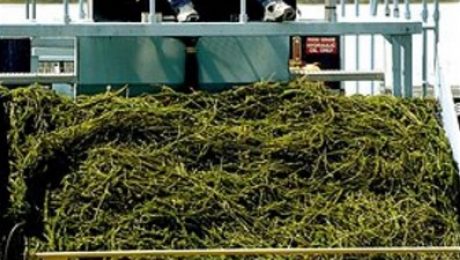
With this drought season being a rough one, the Columbia Irrigation District tried their best to do everything they could to make sure they can get all their customers the water they need. A lot of weeds are clogging up the Yakima River preventing it from flowing into a canal near the Wanawish Dam. The
aquatic plant harvesteraquatic vegetationcanal maintenancedroughtirrigation districtmechanical harvestingriver weedsWanawish Damwarm water temperatureswater flowweed harvestingYakima River

Weed Harvesting Crew Roles and Weekly Schedule for Harvesters Barges and Transporters

  • 0
/ Published in Lake & Waterway Management, Resources
Lake Management Equipment
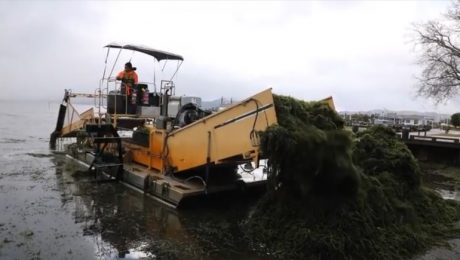
The Harvesters (weed cutters) are Yellow. They are cutting on Mondays, Tuesdays, Wednesdays and Thursdays. Typically “as a rule of thumb” the harvesters do not cut on Fridays. The Shore Barges (weed pick up – floaters and shorelines) are Orange. They are out every weekday, weather permitting, picking up floating weeds and weeds along the
aquatic plant harvesteraquatic vegetationconveyorsfloatersfloating weedslake managementmaterial handlingmechanical harvestingoperations scheduleshoreline cleanuptransport bargesvegetation removalweed harvesting

Aquatic Harvester Removes Storm Washed Lake Weeds From Rotorua Lakefront

  • 0
/ Published in Aquatic Plant Management, Lake & Waterway Management
Aquatic Weed Harvester Unloading
An aquatic harvester has been working at the Rotorua Lakefront in New Zealand, removing mammoth amounts of lake weed from the shore. The large influx washed up around Sulphur Point and Ohinemutu after strong winds and heavy rain battered the region. An influx like this was not uncommon as storm conditions could break off weed
aquatic plant harvesteraquatic vegetationfloating weedsheavy rainlake managementlakefront maintenancemechanical harvestingNew Zealandshoreline cleanupstorm cleanupstrong windsweed harvesting

Salt Marshes Help Protect Coastal Communities From Flooding and Storm Surge

  • 0
/ Published in Resources, Water Quality & Pollution
Marshes protect water quality
A group of military and government leaders has endorsed an initiative to protect the one million acres of salt marsh that stretches from North Carolina down to northeast Florida. Salt marshes are sinewy channels of coastal grasslands known for their ability to protect coasts from flooding and storm surge during heavy rain events and hurricanes.
climate changecoastal ecosystemscoastal resilienceflood protectionhurricane protectionnature-based solutionsnoaasalt marshshoreline protectionstorm surgewater resourceswetlands

Nutrient Pollution Drives Nitrate Problems in Decatur Drinking Water Source

  • 0
/ Published in Lake & Waterway Management, Water Quality & Pollution
Phosphorus is an essential nutrient for plant growth.
Surrounded by some of the world’s richest soil and home to two major grain processing plants, Decatur has long been a hub for agribusiness in the United States. One major trade-off comes in the form of excess nutrients, specifically nitrogen and phosphorus, that runoff from fertilizers used on local farm fields and from discharges from
agricultural runoffdrinking waterlake managementnitrate reductionnitratesnitrogennutrient pollutionphosphorusstormwater runoffwastewater dischargewater contaminantswater quality

Zebra Mussels Can Increase Microcystis Harmful Algal Blooms

  • 0
/ Published in Algae & Harmful Algal Blooms, Aquatic Invasive Species
While invasive zebra mussels consume small plant-like organisms called phytoplankton, Michigan State University researchers discovered during a long-term study that zebra mussels can actually increase Microcystis, a type of phytoplankton known as “blue-green algae” or cyanobacteria, that forms harmful floating blooms. Zebra mussels can filter out the Microcystis with other particles, but then they spit
blue-green algaecyanobacteriagreat lakesharmful algal bloomsinvasive speciesMicrocystisnutrient levelsphytoplanktonwater qualityzebra mussels

Raccoon River Pollution Threatens Drinking Water With Nitrates and Toxic Algae

  • 0
/ Published in Algae & Harmful Algal Blooms, Water Quality & Pollution
Farm Field Runoff
A national environmental organization labeled the Raccoon River one of the country’s most endangered because of toxic algae and nitrates. Des Moines Water Works called it a “catastrophe,” as the Raccoon is the major source for drinking water for a half-million Iowans. Des Moines Water Works, after dumping as much as $250,000 a year into
agricultural runoffdrinking waterfarm chemicalsharmful algal bloomsIowalivestock manurenitratesRaccoon Rivertoxic algaewater contaminantswater pollutionwater qualitywatershed management

Wastewater Treatment Does Not Remove All Chemicals From Water

  • 0
/ Published in Water Quality & Pollution
Drinking Water
All the things that go down the drain and end up at the waste water treatment plant are not removed there. Some of the industrial byproducts that end up in sewers, the agricultural chemicals that runoff farmland, and pharmaceuticals that pass through our bodies all can end up in our streams and lakes. Water treatment
agricultural runoffchemicals in drinking wateremerging contaminantsindustrial pollutionPFASpharmaceuticals in waterwastewater treatmentwater contaminantswater pollutionwater quality

Water Chestnut Spreads in New York and Harms Aquatic Ecosystems and Recreation

  • 0
/ Published in Aquatic Invasive Species
Invasive Water Chestnut forms dense mats that displace native species and interfere with recreational activities.
Trapa natans is native to Western Europe and Africa and northeast Asia, including eastern Russia, China, and southeast Asia to Indonesia. Trapa natans was first introduced to North America in the mid- to late-1870s, when it is known to have been introduced into the Cambridge botanical garden at Harvard University around 1877. A decade later
aquatic ecosystemsaquatic invasive speciesboating accessdissolved oxygenfish habitatHudson Riverinvasive aquatic plantsNew York lakesrecreation impactssurface matsTrapa natanswater chestnut

What Is Aquatic Weed Harvesting and What Results Should You Expect

  • 0
/ Published in Aquatic Plant Management, Resources
Aquatic Plant Harvester Removing Weeds
What is Harvesting? Operational Considerations for your lake. Expected Results from a Weed Harvesting Program. Most aquatic plant harvesting systems will cut and remove submersed plants to a depth of five or six feet. As this biomass is removed from the lake, the water is immediately ready for use and there are no restrictions on
aquatic plant harvesteraquatic plant managementharvesting programlake healthlake managementmechanical harvestingnitrogennuisance vegetationnutrient removalphosphorussedimentationweed harvesting
  • 51
  • 52
  • 53
  • 54
  • 55
TOP