(262) 392-2162 | info@aquarius-systems.com
  • Contact Us
  • Resources
  • Careers

Aquarius-Systems

  • Home
  • Equipment
    Weed Harvesters
    Aquatic Excavators
    Canal Cleaners
    Vegetation Shredders
    Trash Skimmers
    Transport Barges
    Trailers
    Offloading Conveyors
  • Service
    Parts & Service
    Equipment Manuals
    Safety Guide
  • About Us
  • Media
  • Latest
  • Quote

Lake Erie: On the Brink of Collapse (Again)

  • 0
/ Published in Algae & Harmful Algal Blooms, Water Quality & Pollution
Lake Water Algae Bloom
Summer algae blooms are not uncommon, especially when the summer heat moves in, but the toxic algae bloom that caused the issuance of a water ban in Toledo is a sign of Lake Erie’s distress. Lake Erie became very polluted in the 1960s and 1970s as a result of the quantity of heavy industry situated
phosphorustoxic algae

You are What You Eat

  • 0
/ Published in Water Quality & Pollution
Chemicals in Plastic Leach into Fish
The notion behind the phrase “You are what you eat” is that to be fit and healthy you need to eat good food.  In the 1960’s the phrase became the slogan for healthy eating and even today we associate with good, healthy foods.  Eat junk and feel like junk. Simply put, cows eat grass, chickens
plastic consumptionplastic debrisplastic pollutionplastics in fish

Restoring Kings Bay to Protect Florida’s Manatees and Water Quality

  • 0
/ Published in Blog, Water Quality & Pollution
The manatee is a grazing animal and spends between six and eight hours a day feeding on seagrasses and other freshwater vegetation.
Florida’s tropical waters are home to a great diversity of life, but perhaps the most endearing is the Manatee.  The manatee is a grazing animal and spends between six and eight hours a day feeding on seagrasses and other freshwater vegetation.  The manatee actually plays an important role in controlling the aquatic plant growth in
algae bloomsaquatic plantsendangered speciesFlorida waterwayshabitat restorationKings Baymanateesnutrient pollutionseagrass lossstormwater runoffwater hyacinth

How the Erie Canal Transformed Trade and Opened the American West

  • 0
/ Published in Blog, Resources
Barge transporting beer fermentation tanks along the Erie Canal.
In order to open the country west of the Appalachian Mountains to settlers and to offer a cheap and safe way to carry produce to a market, the construction of a canal was proposed in 1807. In 1808 the state legislature funded a survey for a canal that would connect to Lake Erie. When the
American canalscanal engineeringerie canalinland waterwaysNew York historytrade routestransportation historyU.S. historywater infrastructurewestward expansion

Lulu Lake Restoration Combines History and Invasive Species Control

  • 0
/ Published in Aquatic Invasive Species, Lake & Waterway Management
Lulu Lake Wisconsin
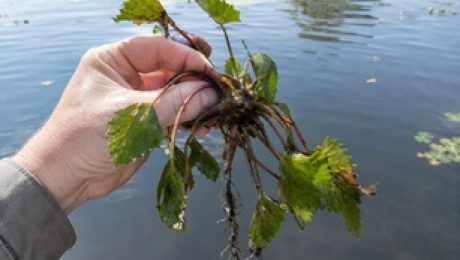
Located about six miles northwest of East Troy, Wisconsin; sits a small 95 acre lake surrounded by high quality wetlands and rich marshes.  In terms of ecological importance, Lulu Lake ranks high on the list of Wisconsin’s lakes.  The lake and its watershed comprise one of Wisconsin’s highest quality natural areas. Prior to electric refrigeration,
aquatic restorationeurasian water milfoilhand harvestinginvasive species controllulu lakeMukwonago RiverNature Conservancywisconsin lakes

Mechanical Harvesting Restores Heard Pond from Water Chestnut Infestation

  • 0
/ Published in Aquatic Invasive Species, Aquatic Plant Management
Invasive Water Chestnut forms dense mats that displace native species and interfere with recreational activities.
Heard Pond became so heavily infested that the beauty and recreational value of it were lost.  Once flourishing with native water lilies Heard Pond had a reputation for great fishing and bird watching.  All gone, due to the lack of open water, nearly completely covered with water chestnut. Water chestnuts are native to parts of Eurasia
aquatic weed harvestingHeard Pond Massachusettsinvasive aquatic plant removallake restoration projectmechanical harvesting lakeswater chestnut control programwater chestnut Trapa natansWayland Massachusetts lake management

Skip the Plastic Bag One Small Choice That Makes a Big Impact

  • 0
/ Published in Blog, Water Quality & Pollution
Reusable Shopping Bag
Another New Year and another opportunity to resolve to eat better, spend extra time at the gym, save money, read a new author, or to spend more quality time with the family.  All of which are great admirable resolutions for the new year and a lifetime.  How about a resolution to not do something?  I
marine debrisocean pollutionplastic bag bansplastic bagsplastic wastesea turtlesSingle Use Plasticssustainable livingwildlife protectionzero waste

What Is a Nor’easter and Why These Powerful Storms Matter

  • 0
/ Published in Blog, Resources
Rough waves crashing over rocks with a navigation marker visible in stormy conditions.
A nor’easter is named for the winds that blow in from the northeast and drive the storm up the east coast along the Gulf Stream, a band of warm water that lies off the Atlantic Coast.  Known for dumping heavy amounts of rain and snow, producing hurricane-force winds, and creating high surfs that cause severe
beach erosionblizzardscoastal floodingcoastal stormseast coast weatherextreme weatherhistorical stormsnor'eastersnowstormsweather educationwinter storms

The Sinking of the Edmund Fitzgerald and Lake Superior’s Power

  • 0
/ Published in Blog
Lake Superior is the largest freshwater lake in the world by surface area and the third largest by volume.
Lake Superior is the largest freshwater lake in the world by surface area and the third largest by volume.  It serves as an important link in the Great Lakes Waterway, providing a route for the transportation of iron ore and other mined and manufactured materials from Duluth, Minnesota to Detroit Michigan; Toledo, Ohio; and other
edmund fitzgeraldfreshwater navigationGreat Lakes shippingGreat Lakes stormsiron ore shippinglake freightersLake Superiormaritime historymaritime safetyshipwrecks

10 Reasons Aquatic Invasive Species Threaten Lakes and Economies

  • 0
/ Published in Aquatic Invasive Species, Water Quality & Pollution
Fisherman Catching Bass Hiding in Hydrilla.
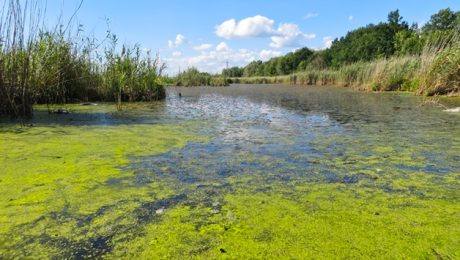
Written by Madeline Seveland, Education Coordinator with Carver County Water Management Invasive Species have been steadily gaining more interest with lawmakers, interest groups and the public since the introduction of zebra mussels into Lake Minnetonka and the threat of Asian carp in the Mississippi River. Here are the top ten reasons you should care about
AIS recreation economy lakesaquatic invasive species impacts lakesEurasian watermilfoil lake managementinvasive species fisheries impactsinvasive species water quality effectspreventing spread aquatic invasive specieszebra mussels economic damage
  • 3
  • 4
  • 5
  • 6
  • 7
TOP