

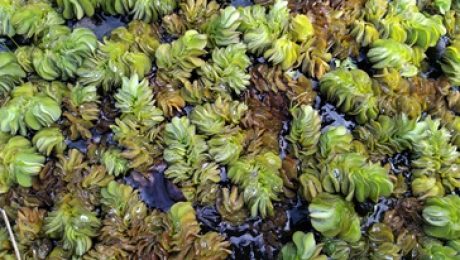
In July, the last known patches of Giant Salvinia, an invasive and aggressive aquatic plant at the Barnett Reservoir in Mississippi, were eliminated. The vegetation was treated with multiple chemicals and then removed, but after six months of Giant Salvinia being absent from the lake, the cleanup team discovered the unwelcomed guest. Apparently a stray
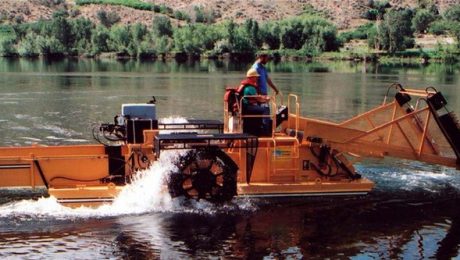
The Okanagan Basin Water Board milfoil program has been so successful over the past five decades. Aquatic weed harvesters used in significant areas with milfoil infestation on Okanagan Lake, British Columbia, Canada are now clear of the invasive plant. Meanwhile, the water board continues to work with the province and environmental consultants to expand existing
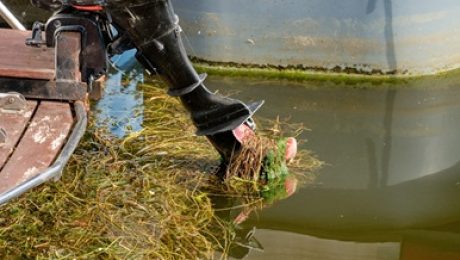
County legislators are considering providing some type of support to a group trying to get rid of the Eurasian milfoil infestation in Black Lake, New York. The milfoil problem is exacerbated when propellers on boats going through the lake chop it up (prop chop) the and spread its seeds. Legislators debated what methods could stop


Keeping aquatic invasive species out of Montana bodies of water, specifically invasive mussels, is very important to protecting the native fish and plant species in the area. Researchers said cleaning, draining and drying boats is nearly 100% effective at keeping AIS out of Montana. That is why boat inspections are required in the state. Seaplanes

In order to stop the destruction of infrastructure by aquatic invasive species, USACE and its partners are using three methods of management: biological, mechanical, and chemical. Each process varies in its effectiveness depending on the species of aquatic plant being treated – leaving the team to rely heavily on data to determine the best method

In the last few decades, the lake’s weedy, northern-most portion has clogged hulls and deterred boaters from entering the lake from the Oswegatchie River. Patches of weeds greet the water’s surface near every dock, and nearly invisible from a distance on a windy day, matted greenery creates a basin of weeds seven-feet-deep in some spots.


The Massachusetts’s Department of Conservation and Recreation is aiming to reduce invasive plant species in Lake Whitehall in a plan that calls for herbicides and mechanical harvesting. The reservoir has extensive growth of “exotic nuisance aquatic vegetation,” including fanwort and variable-leaf milfoil, according to a report by ESS Group, a firmed hired by the state.


Phragmites, the 12 feet tall perennial grass that aggressively colonizes and forms dense stands in freshwater wetlands can be eradicated using herbicides, but it takes years of repetition. The glyphosate components in the herbicide stay in the ecosystem which can lead to loss of biodiversity, making them more vulnerable to pollution and climate change. An