


A recent article in The New York Times detailed the retraction of a once-prominent study that supported the safety of glyphosate, the active ingredient in Roundup. The paper had been cited for years as evidence that the herbicide posed minimal risk. But after concerns were raised about conflicts of interest and the integrity of the
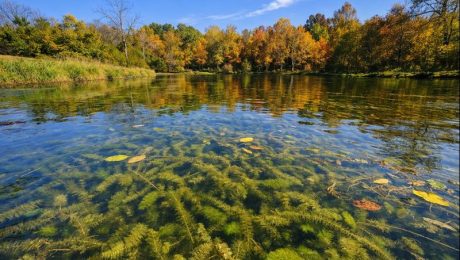
For over a decade, lakes across Northern Wisconsin have spent staggering sums of money attempting to control Eurasian water milfoil with herbicides. The Lower Eagle River Chain of Lakes Commission, formed in 2007 specifically to tackle this invasive species, is a case in point. Eurasian water milfoil grows aggressively, uprooting native vegetation, disrupting aquatic habitats,


Created by melting glaciers thousands of years ago, Lake George is 43,471 acres, 32 mile long, up to 2.5 mile wide and up to 200 feet deep. Located at the southern end of the Adirondack Park in Upstate New York, Lake George is the primary driver of regional tourism, generating $2 billion in annual economic

Following reports of hundreds of dead fish floating in Bayou Rouge in Cottonport, Louisiana, the Louisiana Department of Wildlife and Fisheries (LDWF) conducted an investigation to find out what caused the fish kill. Officials determined that that fish died from a low dissolved oxygen level in the water, basically suffocating the fish. The low dissolved
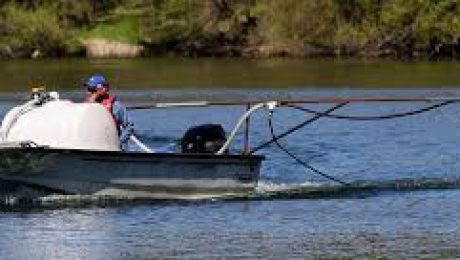
Invasive aquatic plants represent a serious problem in many lakes and waterways. To combat the aquatic weed infestation, herbicides are often applied directly to the water to kill the plants. Many of these herbicides are quite toxic and while permits are required prior to the application there may be flaws with the permit process. Aquatic

To clean up the pollution in Jordan Lake, North Carolina lawmakers have tried arguing. They’ve tried SolarBees. They’ve even tried ignoring the problem. All those tactics have failed. Now state officials are examining a potential chemical treatment for the lake — yet another experiment on a vital drinking water source for more than 350,000 people.

The Chautauqua Lake Association (CLA) says it has filed objections to a permit applications that would allow for the application of two powerful herbicides to 1,200 acres of Chautauqua Lake this coming summer. The CLA in New York is the organization that helps manage weeds on the lake by operating a number of harvesters to

Elodea is a plant commonly found in aquariums that, if released in the wild, will dominate certain lake or river habitats, choking out native vegetation and altering the food web at all levels. It increases sedimentation rate, allowing more sediment to settle out of the water. And it can decrease the dissolved oxygen concentration in

The Massachusetts Department of Conservation and Recreation is aiming to reduce invasive plant species in Lake Whitehall in a plan that calls for herbicides and mechanical harvesting. The reservoir has extensive growth of “exotic nuisance aquatic vegetation,” including fanwort and variable-leaf milfoil, according to a report by ESS Group, a firmed hired by the state.
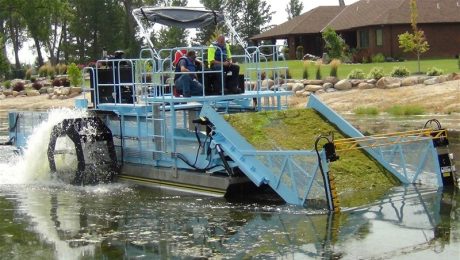
Fall has barely begun and the Lakes Area community is already preparing for next year’s battle against the invasive curlyleaf pondweed. The weed caused navigational issues on the lake this past season as it clogged boat motors and jammed dock lifts. The Iowa Department of Natural Resources, local government entities, area protective agency representatives and
- 1
- 2