


In 1985, Muskegon Lake in Michigan was declared a Great Lakes Area of Concern by the EPA. The West Michigan Shoreline Regional Development Commission will utilize $3.1 million to clean up the lake and undo years of environment abuse. The abuse began in the 1800’s during the lumber era when sawmill debris was tossed into
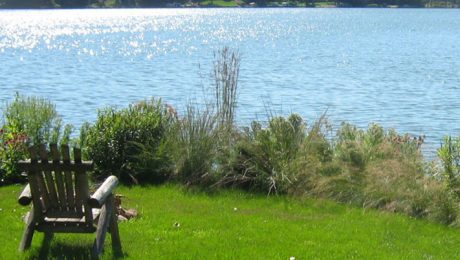
High water levels leading to eroding shorelines have been front-page news in recent months. Shoreline erosion is a concern for property owners with homes located on a Great Lakes or an inland lake. While we can’t control how Mother Nature effects our water levels there are steps that property owners can do to minimize shoreline

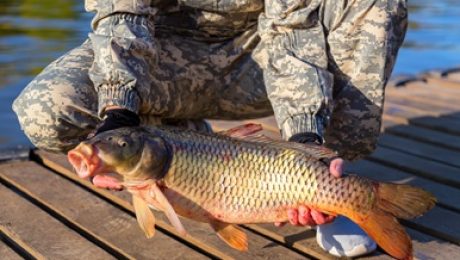
In a research pond in La Crosse, Wisconsin, scientists from the University of Illinois at Urbana-Champaign and U.S. Geological Survey are testing the effectiveness of a new strategy to ward off an Asian carp invasion that’s threatening the health of the Great Lakes, including Lake Michigan. The study called for placing a carbon dioxide infusion


Asian carp were imported from China to the U.S. in the 1970s to remove algae from catfish farms and wastewater treatment ponds. Somehow they escaped and migrated north through the Mississippi and Illinois rivers. The species spawn in rivers and feed on phytoplankton, disrupting the food chain for younger fish. The voracious eaters can weigh