(262) 392-2162 | info@aquarius-systems.com
  • Contact Us
  • Resources
  • Careers

Aquarius-Systems

  • Home
  • Equipment
    Weed Harvesters
    Aquatic Excavators
    Canal Cleaners
    Vegetation Shredders
    Trash Skimmers
    Transport Barges
    Trailers
    Offloading Conveyors
  • Service
    Parts & Service
    Equipment Manuals
    Safety Guide
  • About Us
  • Media
  • Latest
  • Quote

Stay up to date with the latest news, insights, and updates from Aquarius Systems. Our blog covers waterway management, aquatic plant control, environmental challenges, equipment innovations, and stories from around the world that impact our lakes, rivers, and communities.

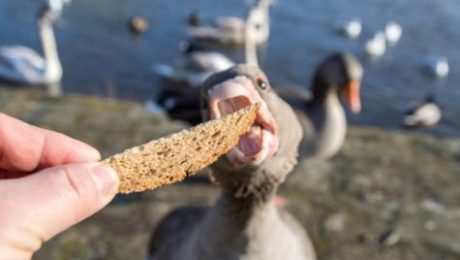
Why Feeding Ducks Bread Harms Wildlife and Pollutes Water

  • 0
/ Published in Blog, Water Quality & Pollution
Bread is low in protein and are very poor substitutes for natural foods such as aquatic plants, natural grains, and invertebrates.
The sun is shining. The temperatures are rising. A trip to the park is imminent. All of the end pieces of bread saved during the long winter is gathered and ready for the trip. Strolling along the water’s edge the ducks are just waiting to receive some of the bounty, they are so used to
algae growthbread and wildlifeduck feeding mythsfeeding ducksnutrient runoffpark pondsurban wildlifewater pollutionwaterfowl healthwildlife behavior

Where Road Salt Comes From and How It Pollutes Waterways

  • 0
/ Published in Blog, Water Quality & Pollution
Loading road salt ahead of the weather.
In 2013 U.S. officials applied about 17 million tons of salt to roads. Salt lowers the freezing temperature of water and thus melts street-clogging snow and ice. But its public safety benefits do come with some ecological drawbacks. Salt not only damages metal and concrete, it contaminates drinking water, kills vegetation, and accumulates in streams,
chloride contaminationdrinking waterenvironmental impactsfreshwater ecosystemsgroundwaterinfrastructure damageroad saltsalt miningsnow and ice controlwater pollutionwinter maintenance

Algae Virus Found in Humans Raises Questions About Brain Function

  • 0
/ Published in Algae & Harmful Algal Blooms, Blog
Toxic algae blooms pose a risk to humans and wildlife.
There are more microorganisms in and on a “person” than there are “human cells.” Along with a few pounds of bacteria — trillions of microbes — an even larger number of viruses live in and on the human body. Some of which change the way we think and feel, and even the way we interact
algaealgae bloomsATCV-1chloroviruscognitive healthenvironmental healthhuman microbiomeJohns Hopkinslake algaemicrobiologyviruseswater quality

Wild Rice Harvesting, Culture, and Restoration in Wisconsin

  • 0
/ Published in Blog, Lake & Waterway Management
AVC-101 Chopping Bog on Whitewater Lake
Wild rice is an annual aquatic grass that produces seed that is a delicious and nutritious source of food for wildlife and people. Harvested in the early autumn, wild rice was an immensely important commodity to Native Americans, particularly the Ojibwe and Menominee, who lived in the areas where it grew abundantly. The Menominee even
aquatic vegetation cutteraquatic vegetation managementcookie cutterinvasive specieslake restorationmanominMenomineeOjibweswamp devilwater level managementwetlandswild riceWisconsin wild rice

Hetch Hetchy Valley The Dam That Changed Yosemite Forever

  • 0
/ Published in Blog, Lake & Waterway Management
Historic photo of Hetch Hetchy in Yosemite National Park
Yosemite Valley is a glacial valley in the Sierra Nevada, part of the Yosemite National Park, drawing close to 3.7 million visitors annually. The Hetch Hetchy Valley is virtually an identical twin to Yosemite Valley, but you will never see its stunning rock formations and dramatic waterfalls. With steep valley walls, a narrow outlet and
conservation historyenvironmental debatehetch hetchyhydroelectric powerO'Shaughnessy Dampublic water systemsreservoirsSan Francisco water supplyTuolumne RiverYosemite National Park

Milwaukee River Revival Shows How Urban Waterways Can Recover

  • 0
/ Published in Blog, Lake & Waterway Management
Trout Fishing on the Milwaukee River
Each fall, elementary school students gather along the Milwaukee River to release fingerling lake sturgeon—an act that symbolizes just how far the river has come. Once written off as polluted and lifeless, the Milwaukee River now supports more than 30 native fish species and has become a model of urban river recovery. Decades of environmental
dam removalDeep Tunnellake sturgeonmilwaukee rivernative fishphosphorus reductionurban river restorationwastewater treatmentwater quality improvementswatershed recovery

Atrazine, Frogs, and the Scientist Challenging a Widely Used Herbicide

  • 0
/ Published in Blog, Water Quality & Pollution
Dr. Tyrone Hayes
Attending the Wisconsin Lakes Partnership convention is an annual event that Aquarius Systems looks forward to every year. We enjoy seeing old friends, meeting new friends; customers, DNR agents and academics. This year’s event featured a speaker that has literally made headlines, although not always in a good way. Dr. Tyrone Hayes of the University
agricultural runoffaquatic ecosystemsatrazinedrinking waterendocrine disruptorsenvironmental healthfrogsherbicidespesticideswater pollutionWisconsin Lakes Partnership

Restoring Kings Bay to Protect Florida’s Manatees and Water Quality

  • 0
/ Published in Blog, Water Quality & Pollution
The manatee is a grazing animal and spends between six and eight hours a day feeding on seagrasses and other freshwater vegetation.
Florida’s tropical waters are home to a great diversity of life, but perhaps the most endearing is the Manatee.  The manatee is a grazing animal and spends between six and eight hours a day feeding on seagrasses and other freshwater vegetation.  The manatee actually plays an important role in controlling the aquatic plant growth in
algae bloomsaquatic plantsendangered speciesFlorida waterwayshabitat restorationKings Baymanateesnutrient pollutionseagrass lossstormwater runoffwater hyacinth

Asian Carp Threaten the Great Lakes and Demand Urgent Action

  • 0
/ Published in Aquatic Invasive Species, Blog
This is a picture of the Chicago Sanitary and Ship Canal, a man-made waterway that connects the Great Lakes basin to the Mississippi River basin.
Asian carp were imported from China to the U.S. in the 1970s to remove algae from catfish farms and wastewater treatment ponds. Somehow they escaped and migrated north through the Mississippi and Illinois rivers. The species spawn in rivers and feed on phytoplankton, disrupting the food chain for younger fish. The voracious eaters can weigh
aquatic invasive speciesArmy Corps of Engineersasian carpecosystem disruptionelectronic barrierfisheries threatgreat lakesIllinois Riverinvasive fishlake michiganmississippi riverwaterway separation

Global Warming vs Climate Change Why the Words Still Matter

  • 0
/ Published in Blog
Climate change brings periods of extreme heat.
Global warming is a topic of contention for many people.  This winter has skeptics high on their soap boxes spouting phrases such as “I thought this was global warming, why is the temperature outside negative 45°?” And when researchers studying global warming get stuck in Antarctic ice, skeptics are given a little more fuel for
climate changeclimate scienceclimate skepticismEnvironmental Awarenessextreme weatherglobal warminggreenhouse gasesJames HansenNASA climate researchscience communicationtemperature trends
  • 5
  • 6
  • 7
  • 8
  • 9
TOP