(262) 392-2162 | info@aquarius-systems.com
  • Contact Us
  • Resources
  • Careers

Aquarius-Systems

  • Home
  • Equipment
    Weed Harvesters
    Aquatic Excavators
    Canal Cleaners
    Vegetation Shredders
    Trash Skimmers
    Transport Barges
    Trailers
    Offloading Conveyors
  • Service
    Parts & Service
    Equipment Manuals
    Safety Guide
  • About Us
  • Media
  • Latest
  • Quote

Herbicide Costs vs. Mechanical Management on Northern Wisconsin Lakes

  • 0
/ Published in Aquatic Plant Management, Blog
Milfoil forming a dense mat on water surface
For over a decade, lakes across Northern Wisconsin have spent staggering sums of money attempting to control Eurasian water milfoil with herbicides. The Lower Eagle River Chain of Lakes Commission, formed in 2007 specifically to tackle this invasive species, is a case in point. Eurasian water milfoil grows aggressively, uprooting native vegetation, disrupting aquatic habitats,
aquatic herbicideseurasian water milfoilinvasive aquatic plantslake commissionslake management strategymechanical harvestingmilfoil control costsnavigation channelsNorthern Wisconsin lakessustainable lake management

Herbicide to Treat Elodea Kills Native Aquatic Vegetation

  • 0
/ Published in Aquatic Invasive Species, Water Quality & Pollution
Invasive elodea displaces native aquatic vegetation.
Elodea is a plant commonly found in aquariums that, if released in the wild, will dominate certain lake or river habitats, choking out native vegetation and altering the food web at all levels. It increases sedimentation rate, allowing more sediment to settle out of the water. And it can decrease the dissolved oxygen concentration in
aquatic herbicidesaquatic invasive speciesdissolved oxygenelodeafish habitatfluridoneinvasive aquatic plantslake managementsedimentationwaterfowl habitat

Weed Harvesting Helps Control Hybrid Watermilfoil in Lake Hallie

  • 0
/ Published in Aquatic Invasive Species, Aquatic Plant Management
Aquatic Invasive eurasian watermilfoil, is an aquatic plant that forms dense mats of vegetation on the water’s surface.
Lake Hallie Lake Association is making some headway in the war they’ve been waging against the hybrid watermilfoil weed. First discovered in Lake Hallie in 2005, watermilfoil is an invasive aquatic plant that has an aggressive tendency to form a thick mat-like layer as it floats on the water. If left unchecked, this plant can
aquatic invasive speciesaquatic plant harvesterboating accesshybrid milfoilinvasive aquatic plantslake healthlake managementmechanical harvestingnavigation lanessurface matsweed harvesting

Lake Whitehall Plan Targets Invasive Weeds With Herbicides and Harvesting

  • 0
/ Published in Aquatic Herbicides, Aquatic Invasive Species
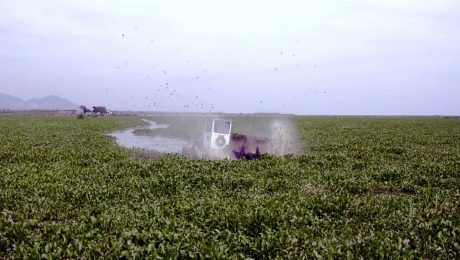
Harvesting Aquatic Vegetation on Inland Lakes
The Massachusetts Department of Conservation and Recreation is aiming to reduce invasive plant species in Lake Whitehall in a plan that calls for herbicides and mechanical harvesting. The reservoir has extensive growth of “exotic nuisance aquatic vegetation,” including fanwort and variable-leaf milfoil, according to a report by ESS Group, a firmed hired by the state.
algae bloomsalgaecideaquatic herbicidesaquatic invasive speciesbenthic barriersdiver harvestingfanwortinvasive aquatic plantslake managementMassachusettsmechanical harvestingvariable-leaf milfoilweed harvesting

Aquarius Systems Featured on National Geographic for Water Hyacinth Work in Kenya

  • 0
/ Published in Aquatic Invasive Species, Company News
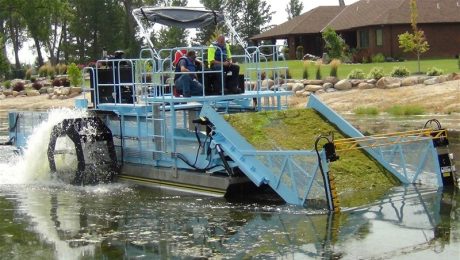
Swamp Devil Clearing Paths in Water Hyacinth
Aquarius Systems was featured on a National Geographic Cable Channel program broadcast in the United States on April 2nd and 5th, 2003. The Swamp Devil Aquatic Vegetation Cutter (formerly known as the Cookie Cutter) has been used on Lake Victoria since 1998 to help control dense mats of water hyacinth. A film crew from National
aquatic invasive speciesaquatic plant managementAquatic Vegetation Cutterscookie cutterinternational projectsinvasive aquatic plantsKenyaLake Victoriamechanical harvestingNational Geographicshoreline restorationswamp devilwater hyacinth

Curly-Leaf Pondweed Control Plan May Include Harvesting and Herbicides

  • 0
/ Published in Aquatic Invasive Species, Lake & Waterway Management
Mechanical Lake Weed Harvester
Fall has barely begun and the Lakes Area community is already preparing for next year’s battle against the invasive curlyleaf pondweed. The weed caused navigational issues on the lake this past season as it clogged boat motors and jammed dock lifts. The Iowa Department of Natural Resources, local government entities, area protective agency representatives and
aquatic herbicidesaquatic invasive speciesaquatic plant harvesterboating accesscurly leaf pondweedinvasive aquatic plantsIowa DNRlake managementmechanical harvestingphosphoruswater qualityweed harvesting

Aquatic Weed Harvester Contracted to Remove Salvinia From Lakewood Community Lake

  • 0
/ Published in Aquatic Invasive Species, Aquatic Plant Management
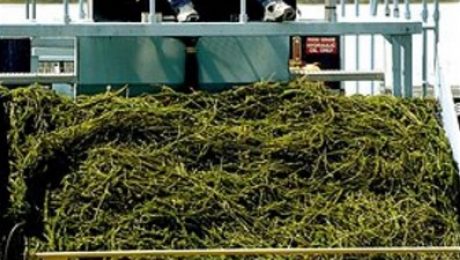
Invasive Aquatic Weed Salvinia
An aquatic weed believed to be salvinia molesta, which grew only along the shoreline in January, has multiplied so fast it now covers the entire surface of the water at Lakewood residential community, Pemulwuy, Australia. The lake and its surrounds were home to an abundance of wildlife including ducks, pelicans and a pair of black
aquatic invasive speciesaquatic plant harvesterAustraliaducks and swansinvasive aquatic plantsmechanical harvestingsalviniasalvinia molestasurface matswarm water temperaturesweed harvestingwildlife habitat

Starry Stonewort Control Uses Harvesting and Limited Herbicides in Missouri

  • 0
/ Published in Aquatic Invasive Species, Aquatic Plant Management
Weed Harvester Removing Hydrilla
Center Lake and Clearwater Lake Association are trying to combat the starry stonewort with and aquatic weed harvester this summer. In an effort to use fewer chemicals in this Missouri lake, a weed harvester will be used on most of the lake to cut and remove the starry stonewort and the algae. Aquatic herbicides will
algaeaquatic herbicidesaquatic invasive speciesaquatic plant harvesterchemical reductionintegrated managementinvasive aquatic plantslake managementmechanical harvestingMissouristarry stonewortweed harvesting

Water Chestnut Spreads in New York and Harms Aquatic Ecosystems and Recreation

  • 0
/ Published in Aquatic Invasive Species
Invasive Water Chestnut forms dense mats that displace native species and interfere with recreational activities.
Trapa natans is native to Western Europe and Africa and northeast Asia, including eastern Russia, China, and southeast Asia to Indonesia. Trapa natans was first introduced to North America in the mid- to late-1870s, when it is known to have been introduced into the Cambridge botanical garden at Harvard University around 1877. A decade later
aquatic ecosystemsaquatic invasive speciesboating accessdissolved oxygenfish habitatHudson Riverinvasive aquatic plantsNew York lakesrecreation impactssurface matsTrapa natanswater chestnut

Study Finds Herbicides for Eurasian Milfoil Can Harm Native Aquatic Plants

  • 0
/ Published in Aquatic Herbicides, Aquatic Invasive Species
Spraying herbicides on aquatic plants.
Lake managers might be hurting native aquatic plants – instead of helping them – when they use chemicals to control invasive plants on entire lakes. New research by Wisconsin DNR Lakes and River Team Leader Dr. Alison Mikulyuk shows native plant communities can struggle when chemicals are used to target invasive Eurasian watermilfoil. It appears
aquatic herbicidesaquatic invasive specieschemical treatmenteurasian milfoilinvasive aquatic plantslake healthlake managementnative aquatic plantsvegetation managementwisconsin dnr
  • 1
  • 2
  • 3
TOP