(262) 392-2162 | info@aquarius-systems.com
  • Contact Us
  • Resources
  • Careers

Aquarius-Systems

  • Home
  • Equipment
    Weed Harvesters
    Aquatic Excavators
    Canal Cleaners
    Vegetation Shredders
    Trash Skimmers
    Transport Barges
    Trailers
    Offloading Conveyors
  • Service
    Parts & Service
    Equipment Manuals
    Safety Guide
  • About Us
  • Media
  • Latest
  • Quote

Buffalo River Restoration Shows New Life After Decades of Pollution

  • 0
/ Published in Lake & Waterway Management, Water Quality & Pollution
Buffalo River New York
Overwhelmed by decades of pollution, by the late 60’s, the Buffalo River’s condition was disgraceful. Both Lyndon Johnson and Robert Kennedy visited the New York river to inspect the carnage, and the death knell for this once proud waterway was sounding. Jill Jedlicka is Executive Director Of Buffalo Niagara Riverkeeper. The river hit rock bottom
aquatic vegetationBuffalo Riverdissolved oxygenemergent vegetationenvironmental restorationhabitat restorationriver healthriver restorationshoreline restorationwater pollutionwater quality

Copper Sulfate Algae Treatment Leads to Fish Kill in Colorado Reservoir

  • 0
/ Published in Algae & Harmful Algal Blooms, Water Quality & Pollution
An outbreak of toxic algae has killed almost all fish at Lake Mission Viejo, a world-class bass fishery in California.
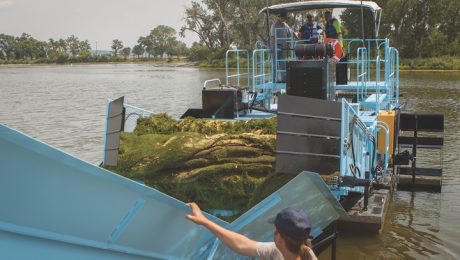
Colorado Parks and Wildlife is investigating Johnstown officials after their attempt to treat an algae outbreak left nearly 1,000 fish dead. The Greeley Tribune reports that Parks and Wildlife spokeswoman Jennifer Churchill says a worker put a copper sulfate into the town’s reservoir this summer to treat the algae. She says chemical ended up suffocating
Algae bloomalgaecidechemical treatmentColoradocopper sulfatedissolved oxygenfish killwater pollutionwater quality

HM-1020 Harvester Removes 16,000 Pounds of Weeds in 20 Minutes at Carter Lake

  • 0
/ Published in Aquatic Plant Management
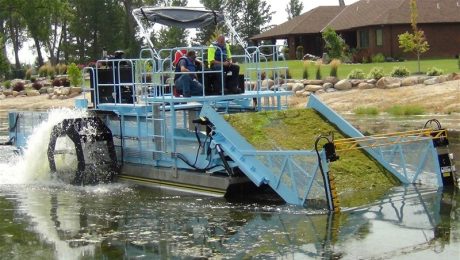
Weed Harvester Unloading into Shore Conveyor
Carter Lake is an old oxbow lake of the Missouri River and is now an urban lake shared by two different cities (Omaha, Nebraska and Carter Lake, Iowa), in two counties (Douglas and Pottawattamie) and two states (Nebraska and Iowa). A vital part of the area’s watershed, Carter Lake is a natural catch basin for
aquatic plant harvestingaquatic vegetationCarter LakeHM-1020Iowalake managementmechanical harvestingNebraskanutrient levelsstormwater runoffvegetation removalwater qualityweed harvesting

Curly-Leaf Pondweed Control Plan May Include Harvesting and Herbicides

  • 0
/ Published in Aquatic Invasive Species, Lake & Waterway Management
Mechanical Lake Weed Harvester
Fall has barely begun and the Lakes Area community is already preparing for next year’s battle against the invasive curlyleaf pondweed. The weed caused navigational issues on the lake this past season as it clogged boat motors and jammed dock lifts. The Iowa Department of Natural Resources, local government entities, area protective agency representatives and
aquatic herbicidesaquatic invasive speciesaquatic plant harvesterboating accesscurly leaf pondweedinvasive aquatic plantsIowa DNRlake managementmechanical harvestingphosphoruswater qualityweed harvesting

Nutrient Pollution Drives Nitrate Problems in Decatur Drinking Water Source

  • 0
/ Published in Lake & Waterway Management, Water Quality & Pollution
Phosphorus is an essential nutrient for plant growth.
Surrounded by some of the world’s richest soil and home to two major grain processing plants, Decatur has long been a hub for agribusiness in the United States. One major trade-off comes in the form of excess nutrients, specifically nitrogen and phosphorus, that runoff from fertilizers used on local farm fields and from discharges from
agricultural runoffdrinking waterlake managementnitrate reductionnitratesnitrogennutrient pollutionphosphorusstormwater runoffwastewater dischargewater contaminantswater quality

Zebra Mussels Can Increase Microcystis Harmful Algal Blooms

  • 0
/ Published in Algae & Harmful Algal Blooms, Aquatic Invasive Species
While invasive zebra mussels consume small plant-like organisms called phytoplankton, Michigan State University researchers discovered during a long-term study that zebra mussels can actually increase Microcystis, a type of phytoplankton known as “blue-green algae” or cyanobacteria, that forms harmful floating blooms. Zebra mussels can filter out the Microcystis with other particles, but then they spit
blue-green algaecyanobacteriagreat lakesharmful algal bloomsinvasive speciesMicrocystisnutrient levelsphytoplanktonwater qualityzebra mussels

Raccoon River Pollution Threatens Drinking Water With Nitrates and Toxic Algae

  • 0
/ Published in Algae & Harmful Algal Blooms, Water Quality & Pollution
Farm Field Runoff
A national environmental organization labeled the Raccoon River one of the country’s most endangered because of toxic algae and nitrates. Des Moines Water Works called it a “catastrophe,” as the Raccoon is the major source for drinking water for a half-million Iowans. Des Moines Water Works, after dumping as much as $250,000 a year into
agricultural runoffdrinking waterfarm chemicalsharmful algal bloomsIowalivestock manurenitratesRaccoon Rivertoxic algaewater contaminantswater pollutionwater qualitywatershed management

Wastewater Treatment Does Not Remove All Chemicals From Water

  • 0
/ Published in Water Quality & Pollution
Drinking Water
All the things that go down the drain and end up at the waste water treatment plant are not removed there. Some of the industrial byproducts that end up in sewers, the agricultural chemicals that runoff farmland, and pharmaceuticals that pass through our bodies all can end up in our streams and lakes. Water treatment
agricultural runoffchemicals in drinking wateremerging contaminantsindustrial pollutionPFASpharmaceuticals in waterwastewater treatmentwater contaminantswater pollutionwater quality

Aquarius Systems Shares Waterway Equipment Solutions at Milwaukee Global Water Center

  • 0
/ Published in Company News, Resources
Global Water Center, Milwaukee Wisconsin
It goes without saying that naval officers are interested in water. But officers from around the world got a brand-new view of water issues and solutions during a visit to the Global Water Center in Milwaukee. The visit was part of the Naval Staff College professional development program at the U.S. Naval War College in
amphibious excavatorsaquarius systemsAquatic Vegetation Cuttersdrinking waterGlobal Water Centerhydropowerinternational projectsirrigationMilwaukeesurface water managementThe Water Counciltrash skimmerswater quality

Missouri City Approves Weed Harvesting to Control Curly-Leaf Pondweed in Forest Lake

  • 0
/ Published in Aquatic Invasive Species, Lake & Waterway Management
Mechanical Weed Harvester
Kirksville City Council members voted to approve a resolution to allow weed harvest operations at Forest Lake in Thousand Hills State Park, Missouri, as the invasive curly leaf pond weed is not only negatively affecting recreation activities, but also impacts water quality and the drinking water treatment process. In 2018, the city entered into a
aquatic invasive speciesaquatic plant harvestercurly leaf pondweeddrinking waterinvasive aquatic plantslake managementmechanical harvestingMissourirecreation impactswater qualityweed harvestingweed mats
  • 13
  • 14
  • 15
  • 16
  • 17
TOP