


While invasive zebra mussels consume small plant-like organisms called phytoplankton, Michigan State University researchers discovered during a long-term study that zebra mussels can actually increase Microcystis, a type of phytoplankton known as “blue-green algae” or cyanobacteria, that forms harmful floating blooms. Zebra mussels can filter out the Microcystis with other particles, but then they spit

A national environmental organization labeled the Raccoon River one of the country’s most endangered because of toxic algae and nitrates. Des Moines Water Works called it a “catastrophe,” as the Raccoon is the major source for drinking water for a half-million Iowans. Des Moines Water Works, after dumping as much as $250,000 a year into

All the things that go down the drain and end up at the waste water treatment plant are not removed there. Some of the industrial byproducts that end up in sewers, the agricultural chemicals that runoff farmland, and pharmaceuticals that pass through our bodies all can end up in our streams and lakes. Water treatment

It goes without saying that naval officers are interested in water. But officers from around the world got a brand-new view of water issues and solutions during a visit to the Global Water Center in Milwaukee. The visit was part of the Naval Staff College professional development program at the U.S. Naval War College in
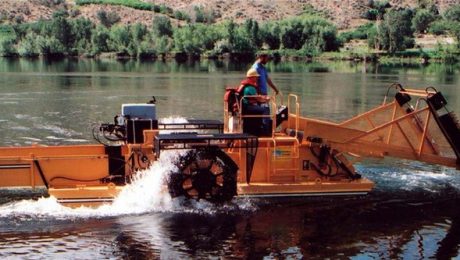
Kirksville City Council members voted to approve a resolution to allow weed harvest operations at Forest Lake in Thousand Hills State Park, Missouri, as the invasive curly leaf pond weed is not only negatively affecting recreation activities, but also impacts water quality and the drinking water treatment process. In 2018, the city entered into a

Phosphorus-enriched soil is very much essential for agricultural purposes. But the current alarming fact is, this nutrient is increasingly being lost from soils all around the world. This mineral is one of the vital factors for the world’s food production and there isn’t an unlimited supply of this from the soil. Phosphorus in the soil

Lee County Hyacinth Control manages aquatic plants in our waterways using several different methods. The mechanical weed harvester is an eco-friendly method clears widespread vegetation so boats can navigate through our canals. Run off in Cape Coral canals comes from many places. It could be your street, your roof or your lawn. The recycled water

It’s a familiar sight to residents living on the shores of Kitsap Lake in Washington: each summer, around the beginning of June, a bright green algae begins to creep across the water. These blooms can be harmful to people and pets and have forced closures of Kitsap Lake and its beaches every year for the
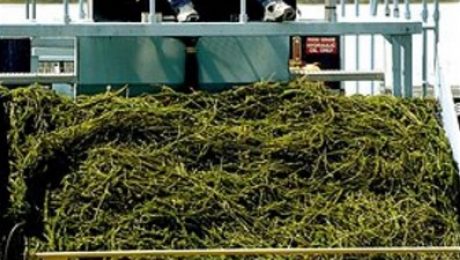
Spraying chemicals can be dangerous to the environment in many ways. But for Floridians, they can contribute to harmful algae blooms and damaging releases along the coast. There are other ways to remove invasive plant species that may not require chemical spraying. James Douglass, an environmental scientist at Florida Gulf Coast University says the other

Carraízo reservoir in Puerto Rico has fallen victim to two of the world’s most invasive aquatic plants: water lettuce and water hyacinth. Often found together, the invasive plants grow at exponential rates, obstruct waterways, clog hydropower plants, and prevent sunlight from penetrating the water’s surface, reducing water quality. The Aqueduct and Sewer Authority began its